Back in 2022, spurred on by a spiralling cost-of-living crisis, workers across the UK – from train drivers to school teachers – turned out in a wave of industrial action that lasted well into 2023.
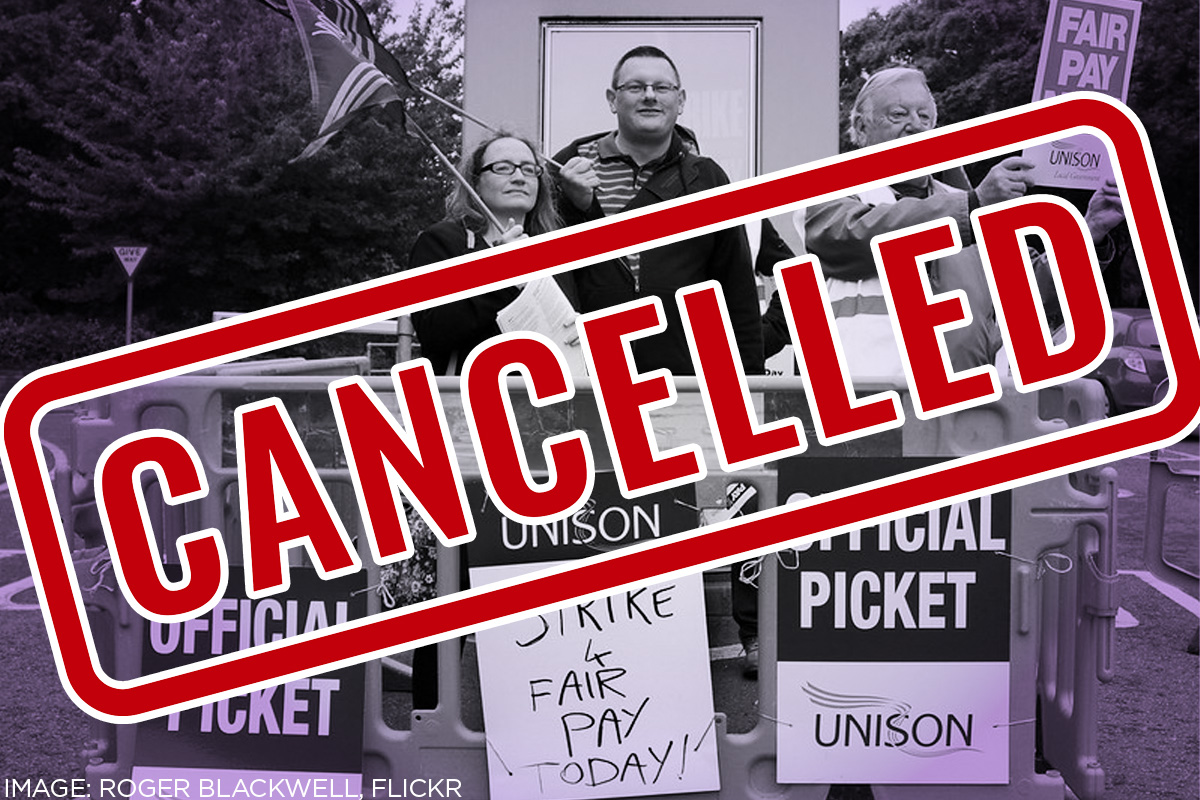
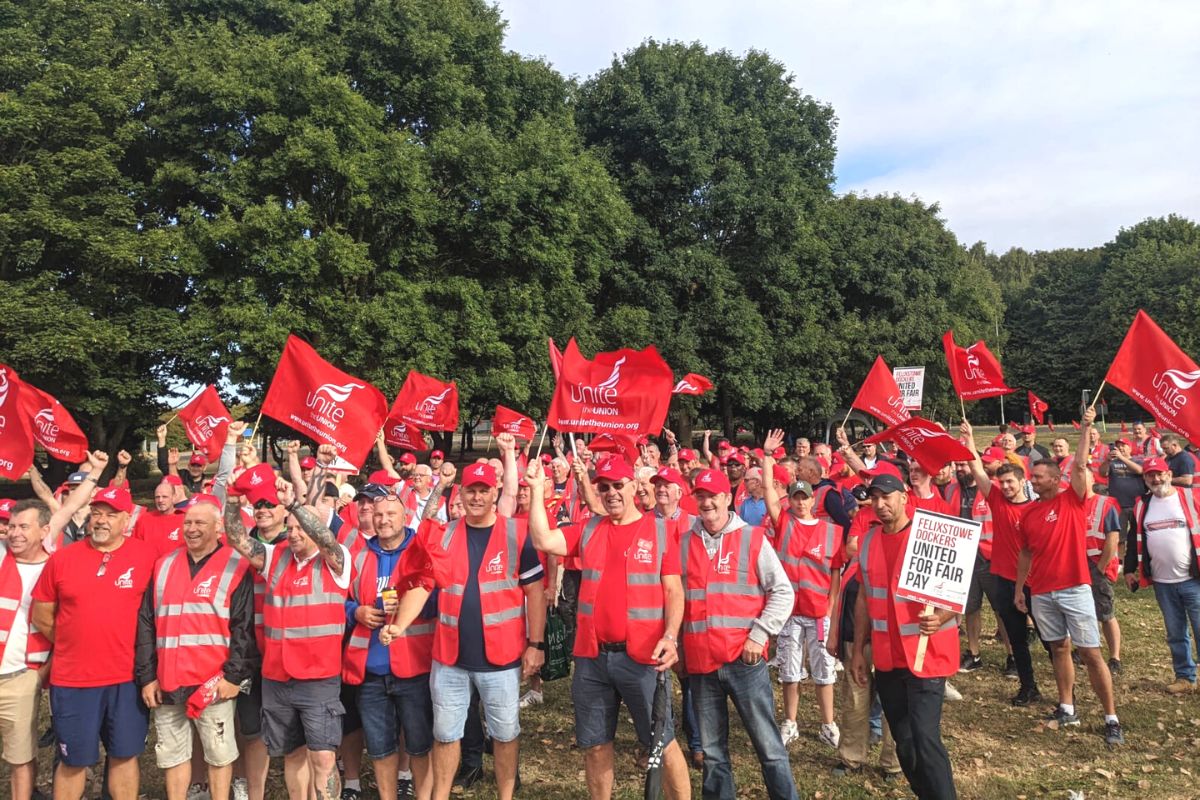
On 21 August 2022 over 1,900 workers at Felixstowe port walked out, beginning a struggle for a real pay rise.
The impact was immediate. As Britain’s busiest port – with Felixstowe taking in 48 percent of all shipping containers that enter the country – the workforce at Felixstowe was in a strong position to win.
This is an enormously wealthy company – the Felixstowe dock workers are receiving the union’s unflinching support. #DockersDemandBetter pic.twitter.com/iyIZ3mkjCO
— Sharon Graham (@UniteSharon) October 2, 2022
At the time, risk management consultants at the Russell Group predicted that this industrial action could result in over £680 million in trade being disrupted over the eight-day strike period.
Ultimately, following a second round of strike action that ran for an additional eight days during September and October of the same year, the dockworkers were able to win a two-year pay increase.
Making an example
However, following the first round of strike action several workers at the port – Andy Sochon, Jamie Parsley, Peter Stead, and Keith Wright (the ‘Felixstowe Four’) – were suspended from their positions at the port.
This was a brazen move from the employer to derail things, part of CK Hutchinson’s underhand tactics designed to break the strike in general.
“[The employers] needed to make an example of someone because they couldn’t allow this to ever happen again,” Parsley told me. The deliberate targeting of several union representatives “sent massive shockwaves through the workforce.”
“They waited for Christmas to sack us”
By this point, each member of the Felixstowe Four had attempted to appeal their dismissal to no avail. In one final vindictive move, the employer waited up to five weeks to send out dismissal letters. In the words of Sochon, “they arrived on 23 December. We feel that they waited for Christmas.”
The “reason” for dismissal given by the employer, and taken up at the tribunal, was that each member of the Felixstowe Four had engaged in “bullying and intimidation” of workers who had crossed the picket line.
This allegation hinged on the sharing of a photographed list of tug drivers who crossed the picket on the first day of the strike action.
But firstly, the list in question was manually generated at the beginning of each shift as a means of allocating workers to vehicles. The list, in the usual fashion, was then posted on a noticeboard on the day of the shift itself.
The Felixstowe Four were striking at the time; only a person not striking would have the means to access the list to photograph it. To this day, no investigation has been conducted into who originally took the photograph.
Secondly, not one worker named on the list ever claimed that a member of the Felixstowe Four had ever made them the target of “bullying, harassment or intimidation.”
Thirdly, there was a valid reason to share this list, once it had been put into circulation: those who had crossed the picket line that day were not entitled to strike pay. Jamie confirmed he shared the list with Unite reps for this reason.
Parsley himself was singled out on the first day of the strike by Clemence Cheng, the Executive Director of Felixstowe port, who Jamie claims approached him on the picket line and asked him to identify himself.
Targeted
Andy believes that he was targeted for another reason entirely: offering to lend money to any other dockworker who would struggle to strike due to finances.
And as this case shows, the courts and employment tribunals are not neutral arbiters; they are an arm of the capitalist state, and as such ultimately serve to maintain the power of the rich.
As Sochon explained: “It cost [the employer] a lot more to beat us than it would have to just send us away. But we were pawns in a battle between the union and the port.”
By the end of 2025 the Felixstowe Four were sacked.
Today, the members of the Felixstowe Four have managed to find alternative employment, but the ordeal came at a huge personal cost.
Jamie Parsley believes that the stress from the entire ordeal exacerbated his preexisting kidney condition, ultimately leaving him on a dialysis machine for 3 years whilst doctors searched for a donor. He also says that letters detailing this were sent from Ipswich hospital to the port, but that these were ignored by senior management.
Revenge
A dockworker who worked at the port told us that he thought that CK Hutchinson “took revenge on the workforce because they had the audacity to withdraw their labour in an industrial dispute.”
Unfortunately however, the leadership in Unite stopped halfway in the Felixstowe fight.
According to Sochon, as soon as Unite’s negotiators at the port were offered a better pay deal by the employer, they moved forwards to settle the industrial action. Andy told us: “The company turned around, offered Unite 8.5 percent – and they took us straight off the table. We were done for.”
Unite did issue a consultative ballot to continue the strike action for the reinstatement of the Felixstowe Four – but since it came after settling on pay, and furthermore without a mass meeting or any serious campaigning to pass the ballot, this was tantamount to doing nothing.
Whilst both Andy and Jamie were grateful to Unite for their initial economic and legal support, Andy expressed his disappointment with being left behind: “I can see how 8.5 percent was a good deal for the workers, but the union promised us ‘you won’t come off the table’. We all went down to the picket line and protested… we all stood together for it.”
Very proud of our Dock Workers. You will never walk alone. #DockersDemandBetter #Felixstowe #Liverpool pic.twitter.com/UiX1sAhwUY
— Sharon Graham (@UniteSharon) August 30, 2022
The struggle of Felixstowe’s dockworkers is a warning for struggles to come – as the working class gets squeezed between inflation and cuts. The employers, for their part, will readily use the foulest of means to get their way.
The workers’ movement needs to be just as ruthless in defence of its own people – and to do this seriously, it must go on the offensive and show who really runs society. No ship gets unloaded without the kind permission of the working class!