[This document should be read in conjunction with British Perspectives 2026.]
Fractured politics, economic hardship, social malaise, and a world on fire are converging to radicalise a new generation of young people in Britain. This ‘austerity generation’ is more open to radical and even revolutionary ideas than any that has come before.
Many of these young people are alarmed at the rise of Reform on a right-populist, anti-establishment programme, which is a symptom of the crisis facing Britain. This cannot be fought by liberal or moralistic appeals. Only a clear, revolutionary, anti-capitalist programme can tackle the crisis at the root of Reform’s rise. This is instinctively understood by millions of young people but finds no political expression.
The left-reformists give only a partial and confused expression to the mood among young people and workers. Despite their deficiencies, they can be thrust forward, though their support does not have deep roots. We neither cheerlead, nor dismiss the reformists. We patiently engage with their arguments and openly, boldly make the case for communism.
The reformists cannot fully fill the vacuum that exists in British politics today, especially among young people. In schools and universities especially there is nothing chanelling the rage of the generation defined by austerity policies and the Palestinian genocide. The arena is wide open for the communists.
Our development
At the beginning of 2018 we had 270 members. Today we have over 1,300. Over that time we have navigated Corbyn’s leadership of the Labour Party, the Covid pandemic, and five different Prime Ministers, not to mention international developments. We have grown through all these major political events with clear analysis and by orienting ourselves towards the increasingly radicalised layer in society.
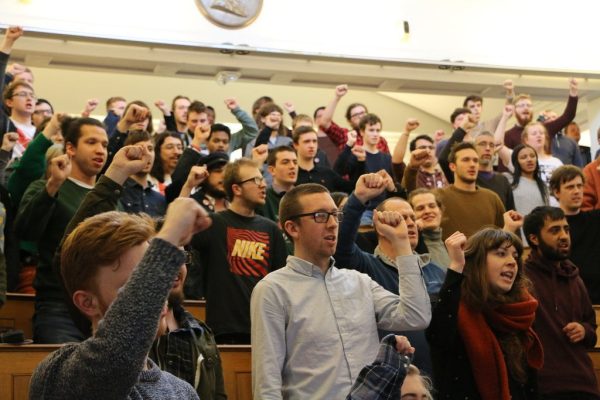
In 2023 we turned decisively and openly towards those radicalised young people with a campaign that asked ‘Are you a communist?’ This resulted in rapid recruitment. At the beginning of 2023 we had 813 comrades, and 24 months later we reached 1,200 members. We also launched a new newspaper called ‘The Communist’ and the founding of the Revolutionary Communist Party and the Revolutionary Communist International in 2024. With this we have reclaimed the banner of communism in Britain today.
Our interventions in the Palestine movement over the last two years have raised our profile, leading to our Stratford campaign in the 2024 General Election. With that, we are beginning to become a reference point on the British left.
Inevitably, rapid growth and big changes from April 2023 to July 2024 required some stabilisation in late 2024, into 2025. This has been achieved through the hard work of comrades over the last twelve months.
Our work in 2025
In a world of sharp turns and sudden changes, the biggest strength of the RCP is our ideas and perspectives. This is what helps us understand the world, which is the prerequisite to changing it. It is crucial, then, that in 2025 we made advances in our educational work.
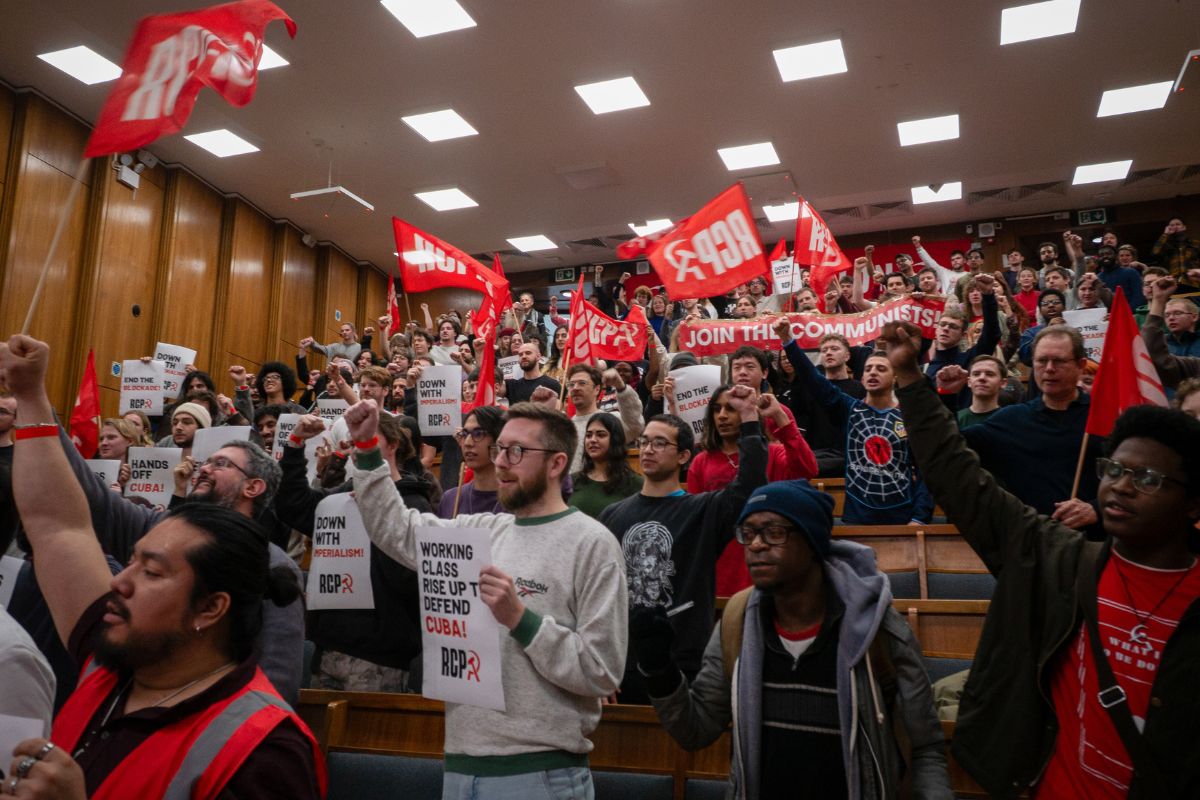
Last year, world relations and imperialism were central. This was the heart of the RCI World Congress and was developed in branches through discussion of the World Perspectives document. Linked to that, our bookshop sold 277 copies of Colossus: The Rise and Decline of US Imperialism; 167 of Imperialism: The Highest Stage of Capitalism; and 190 of Democracy, Bonapartism, and Fascism.
Palestine was a theoretical and agitational focus. Many comrades wrote shorter articles and gave speeches, especially at our large demo interventions in London, Cardiff, and elsewhere. Our social media agitation was widely viewed. Our most read article on communist.red, with 8,354 hits, was Stalin’s responsibility in the creation of Israel.
The second half of 2025 tackled left-reformism and communist tactics. The summer school was on Ted Grant, and we sold 110 copies of History of British Trotskyism. Six articles on Your Party gathered 21,745 hits, and our top podcast was on the launch of YP.
The most important part of our educational work has been training new recruits in the basic ideas of Marxism. Half of our most read articles are theoretical texts and reading guides for Marxist classics. The top selling book was The Classics of Marxism vol.1 on 591 copies, followed by What is Marxism? on 357. Classics vol.2 sold 269 and Understanding Marx’s Capital sold 266. The ABCs of Marxist theory is the bedrock of the RCP – it’s what people seek us out for, it’s what we do better than anybody else, and it’s the secret to our success.
From political conviction flows motivation to build the party. Two years ago, our finances were relatively weak and this was a barrier to growth. Last year we turned political strength into financial success. Subs increased by 31 percent compared to 2024, and the fighting fund by 21 percent.
Sales of our newspaper increased by 25 percent last year compared to 2024. Within that, branch sales of the paper (as opposed to subscriptions), increased by an unprecedented 62 percent. This was a combination of training up strong paper officers, putting the sales and distribution in the hands of the branches, and enthusiastic street stalls. The Holloway Road branch in London alone sold 1,249 copies of the paper in 2025, which shows what’s possible. Higher paper sales points to a more outward-facing party.
Last year our membership grew by 10 percent. Recruitment was strong, especially in the second half of the year. The summer campaign generated over 200 new members, and the autumn campaign increased our student membership by over 70 percent. In Edinburgh, for example, the district doubled in size during 2025. We recruited nineteen people in total, eleven of them during the autumn campaign. The last eighteen months has seen a re-establishing of our forces on university campuses.
However, retention has been weaker than we would like. A third of party members joined less than six months ago. Just 54 percent have been members for longer than twelve months.
Recruitment in 2026
Given the vacuum that exists in Britain, our biggest limitation is our size. With just over 1,300 members in 130 branches, we are too small to make the necessary impact. Membership growth must be our overriding focus.
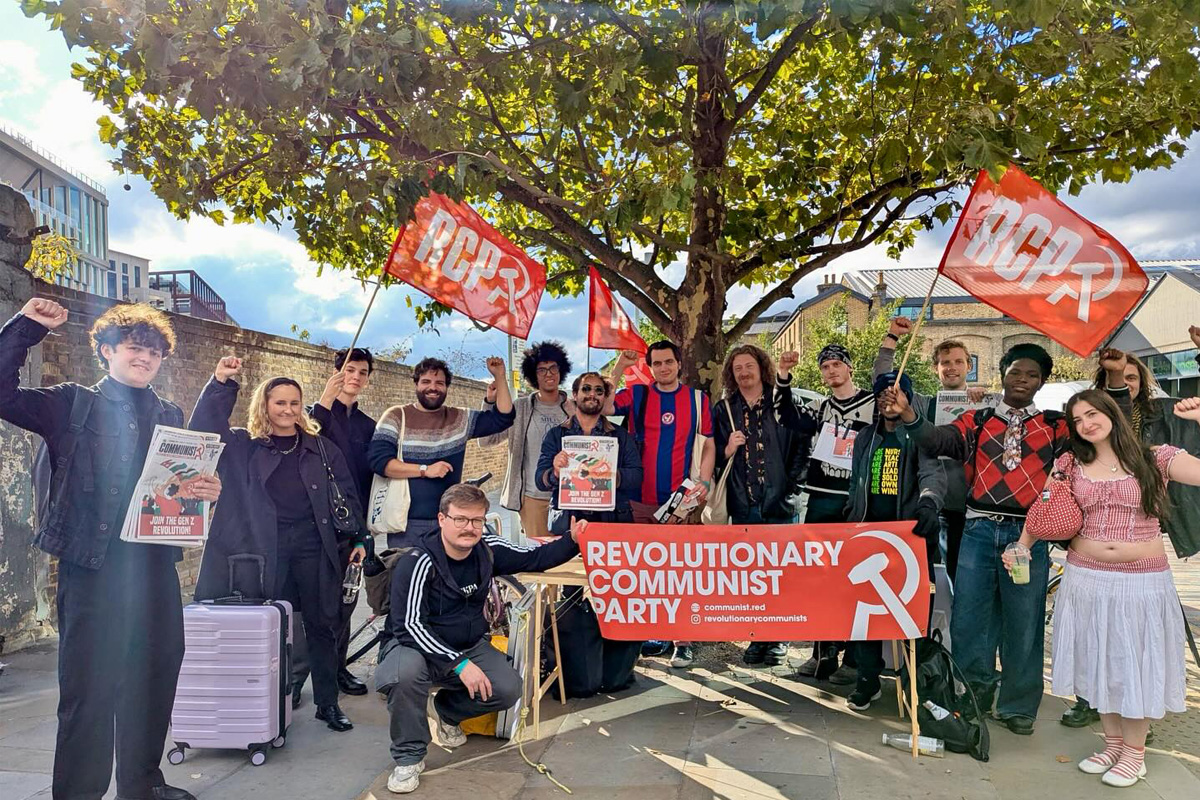
Growth is two-sided, the first of which is recruitment. For this we look to young people, who are being radicalised most by the crisis, and who are found in high concentrations at colleges and universities. There are around 3 million university students in Britain, at around 150 institutions. The RCP has around 300 students at 60 institutions – we have barely even begun to scratch the surface. Having said that, we are developing a stronger base in some areas, with over ten students at each of UCL, KCL, Manchester, Edinburgh, Cardiff, and Sheffield universities.
There are some people who question the RCP’s focus on young people, and students particularly. ‘You’re ignoring the working class’ they say. Typically such criticisms come from sectarians who have built nothing, and who forget that over the last fifteen years only one left-wing organisation has grown consistently and substantially: ours.
We are realistic about the limits of our size, and we are still at the stage of assembling our core cadre base. It is through young people and students that we will eventually reach the working class.
For example, the strength of our intervention in the Palestine movement was thanks to our student work. In particular, our 2024 general election campaign was possible because we recruited Fiona as a student at SOAS, she led the Marxist Student Federation for years, and then was thrust into the media spotlight by a demonstration of our student comrades in Cardiff and an intervention by our Cambridge comrades in the student encampment for Palestine.
This is why 80-90 percent of RCP branches focus their work on a university campus. We have 1,000 comrades who are not students, but nevertheless support the university work in one way or another.
Successful campus work needs a pioneering spirit where we’re trying to break new ground, as we saw last autumn in Derby, Aberystwyth, and City University in London, with rapid growth led by one audacious comrade who was focused on the student field. Consistency in stalls and meetings is key once we have an established presence, which has led to growth in Sheffield, Edinburgh, Manchester, and many other places.
As branches get bigger this will open up new avenues for recruitment, in particular from well-prepared, energetic stalls in town centres, and putting up posters and stickers. The Brighton branch made it their mission to make it impossible to walk through the city without seeing our posters. In the first two weeks of the recruitment campaign the branch received 20 write-ins. As a result, they recruited six people in one month. Some branches have also put on successful open meetings that draw in a new layer of people. Using such methods, this year we should repeat last summer’s recruitment drive, using the Congress as a launch pad.
Where contacts are made, recruitment means convincing someone politically through patient discussion. Some will be ready to join right away, others will take longer. Branches need to put thought into a strategy for each individual. Prioritising recruitment does not mean rushing it, but we cannot afford to drag our feet. The Farringdon branch, which went from one to five students during the Autumn term, said that their success came from striking while the iron was hot. The comrades made themselves available to meet up with the contacts as soon as they showed interest, and organised political activities when it best suited them. Determined and systematic contact follow-up is the key.
Retention in 2026
The second side of growth is retention. We want to invest in our recruits so that they stay and build the RCP with us in the long term.
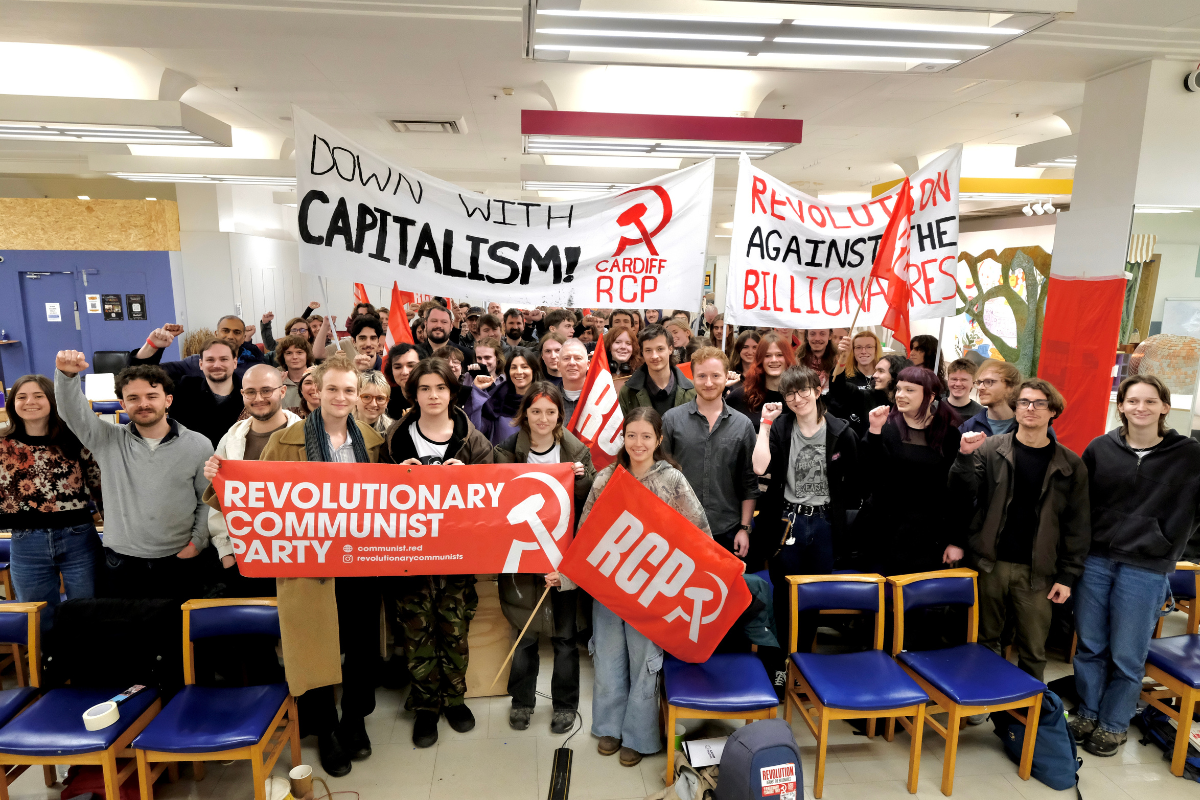
Of course, there will be a selection process and not all new recruits will make the cut. Unlike other organisations, we have relatively stringent, but not excessively rigid, membership criteria. This keeps the RCP lean, dynamic, purged of alien class ideas, and committed to Marxism.
The surest way to retain members is to inspire them politically. A culture of education throughout the party, from day schools to independent study to quality branch meetings, will continually expose comrades to new ideas and a deeper understanding of Marxism. Party members at every level of the organisation – from the newest recruits to those who have been around for years – must feel like they are constantly learning. The branch meetings are the starting point for this, but every individual member must also take personal responsibility for their development as a Marxist.
Attention should be paid to the social life of a branch or district. We are a small band of committed revolutionaries. Sometimes that can be tough and it is important to feel bonds of trust and comradeship between party members. Morale is an intangible but powerful force. Strengthening the social bonds between comrades is one aspect of retention and growth. Comrades can also learn a great deal from the more informal discussions that take place in social settings, and may feel more confident to ask questions there than in a formal meeting. In Manchester, it was reported that a key aspect of integration had been consciously developing a good social atmosphere.
Retention requires the delegation of responsibility to newer members. Everyone should feel ownership over the work of their branch, and have direct responsibility for some aspect of it. Branches, districts, and regions should make plans, pass resolutions, and set targets that align with those of the national party, and which are based on their own initiatives involving every member.
As members acquire more knowledge and experience, they should be given more responsibilities. One of the main tasks of branch, district, and regional committees is to monitor the developmental progress of comrades in their areas, and ensure they are being given tasks commensurate to their political level that will push them to step up further. This should be done responsibly. Tasks should not be delegated without proper preparation. For example, before taking on the roles comrades should shadow a branch secretary, paper officer, or finance officer, with a view to eventually taking on that role themselves.
The Leninist Handbook and candidate membership are integration tools to help leading comrades monitor the progress of recruits. Branches should use the three month candidate membership review as a target towards which new members can consciously work. It is not just a firewall to keep unsuitable people out of the party – it is the first staging post on the road to becoming a party cadre.
For those who pass candidate membership, political training takes on new dimensions. Branches should turn comrades outwards towards interventions, campaigns, and workplaces. In some places we will be able to take initiatives such as calling demonstrations, running in student elections, or launching local campaigns, such as in Cardiff, Sheffield, and Cambridge.
We want our cadres to become known as ‘The Communists’ on campuses or in their jobs. This means more than just throwing a few buzzwords around – it requires patient discussion with friends and colleagues about the political issues of the day, or whatever questions interest them, and then looking for opportunities to involve them in the party’s activity.
Branches should find ways of keeping our periphery in touch with the party. We should encourage them to set up a regular donation, to subscribe to the paper and magazine, and we should keep them informed about local party events and activity. Not everyone is ready to play the role of a full member now, but those who remain in the party’s orbit will turn to us when big events radicalise them further.
Paper and finance in 2026
The paper is the heart of the party. It educates with quality articles, and as a mechanism through which members can practice writing reports, letters, and articles. It is a recruitment tool in the facts, figures, and arguments it contains, and as the instrument around which branches organise stalls and interventions. It is our calling card for our outward-facing work, and unifies the party’s identity and ideas.
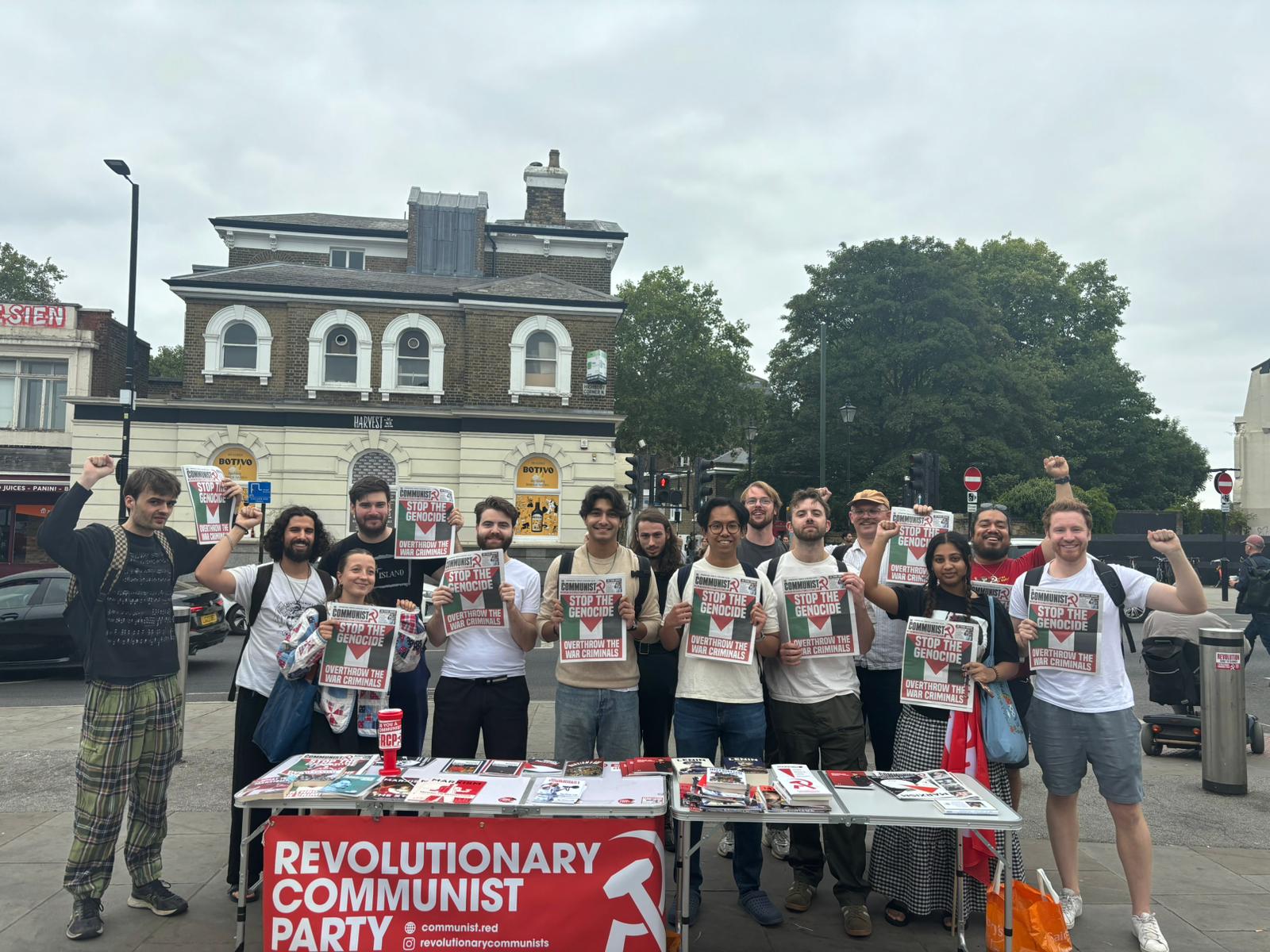
Despite last year’s success, the quality of the paper still far exceeds its reach. While 2025 was a bumper year for external sales, subscriptions have crept up incrementally, reaching over 1,500 in total. Currently around half of the membership is subscribed to The Communist. Subscriptions should be a major focus of the party this year – branches, districts, and regions should set ambitious and achievable targets, and draw up plans to sell subscriptions to contacts, supporters, Marxist Society attendees, etc.
Finance remains a fundamental component of party building at all times. It is not an afterthought but the lifeblood of the party. We are financially back on track after excellent results last year, but we cannot take our eye off the ball. Subs increases and fighting fund initiatives should absorb the attention of branch treasurers and be part of branch strategies and targets this year. Committed contributions to match our revolutionary convictions are something for which we make no apology for asking.
As well as increasing the circulation of our newspaper and expanding subscriptions, we should make the most of our higher profile, by expanding our fundraising to wider circles of supporters and periphery. An outward facing approach to subscriptions and fundraising will also build a larger network of periphery for mobilisation in the future. There are recent examples from Brighton, North Wales, London, and Manchester where people decided to join as active members after having regularly read the paper.
Wellred Books in 2026
Last year we reinforced areas of weakness such as the paper and finance. This year that focus should be on our publishing house and bookshop – Wellred Books.
There are other left-wing publishers and booksellers in Britain which, by and large, prioritise fashionable or academic publications. Classic Marxists texts are rarely published today, but if they are they’re buried under absurd introductions by people who understand nothing about Marxism. These businesses seize upon the growing thirst for radical ideas and channel it towards trendy, academic slop.
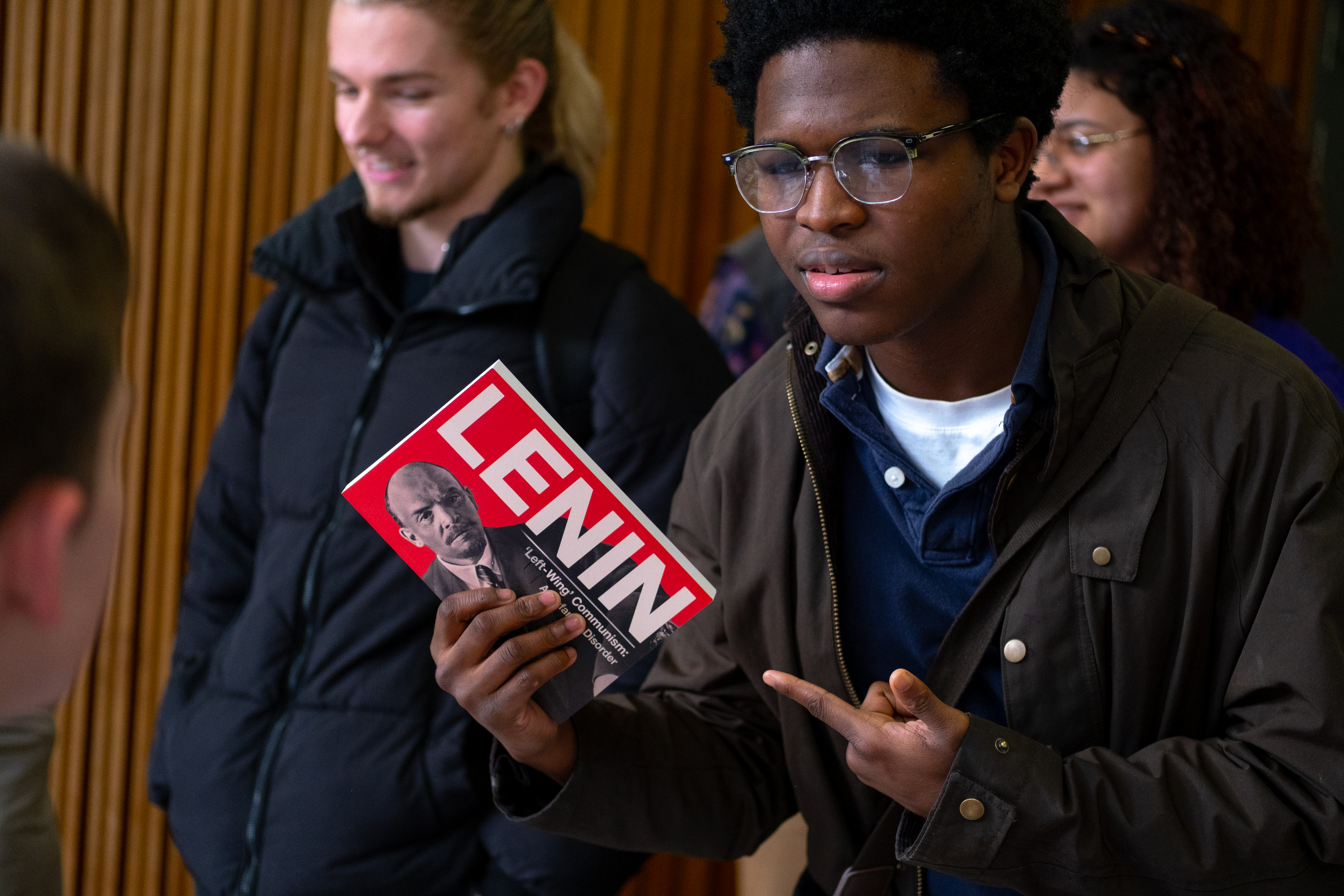
This is why the RCP has Wellred Books. We prioritise making the original Marxist texts available to a new generation of activists, with introductions and footnotes that explain the relevance of such texts in the modern world. We offer no “new interpretations” or “clever” critiques of Marx, Engels, Lenin, and Trotsky. Those ideas stand the test of time and we publish them as they were originally written.
However, we are also the only political organisation to regularly produce good quality new theoretical and historical books, written by our own comrades, which adhere closely to the ideas and methods of the Marxist classics.
A genuinely communist publishing house and bookshop is a valuable weapon for our party. Unlike other publishers, the content of our publications is not a dusty, academic curiosity. It is a guide to action for an outward-facing party. The bookshop is therefore something every comrade should help to strengthen.
This starts with comrades buying their own Marxist books from Wellred. This is important for our own education. Branch discussions, schools, and other forms of collective education in the party are useful. But individual study and personal responsibility for reading are vital to cadre development. Every comrade should have the ambition of building their own personal Wellred library at home.
Beyond that, branches should look to advancing Wellred books beyond their own members. This involves building up and professionally managing a local stock of material, promoting new books to periphery, contacting local bookshops, exploring options for stalls at local book fairs – all will help to strengthen this asset for the party. In Norwich, comrades attended a bookfair to promote Wellred material, and have been holding regular Wellred stalls in the town centre. At one of the sales in January they sold books worth £62, showing that there is a real interest in our ideas.
Raising our sights and our profile in 2026
Despite our small size, our growth is putting us on the map. This is helped by the continued decline of the sects, which have now reached new lows of desperate opportunism. The size of our blocs on demonstrations in London, Cardiff, and elsewhere, as well as the social media profile of Fiona, our spokesperson, has signalled that we are one of the biggest poles of attraction on the left in Britain today.
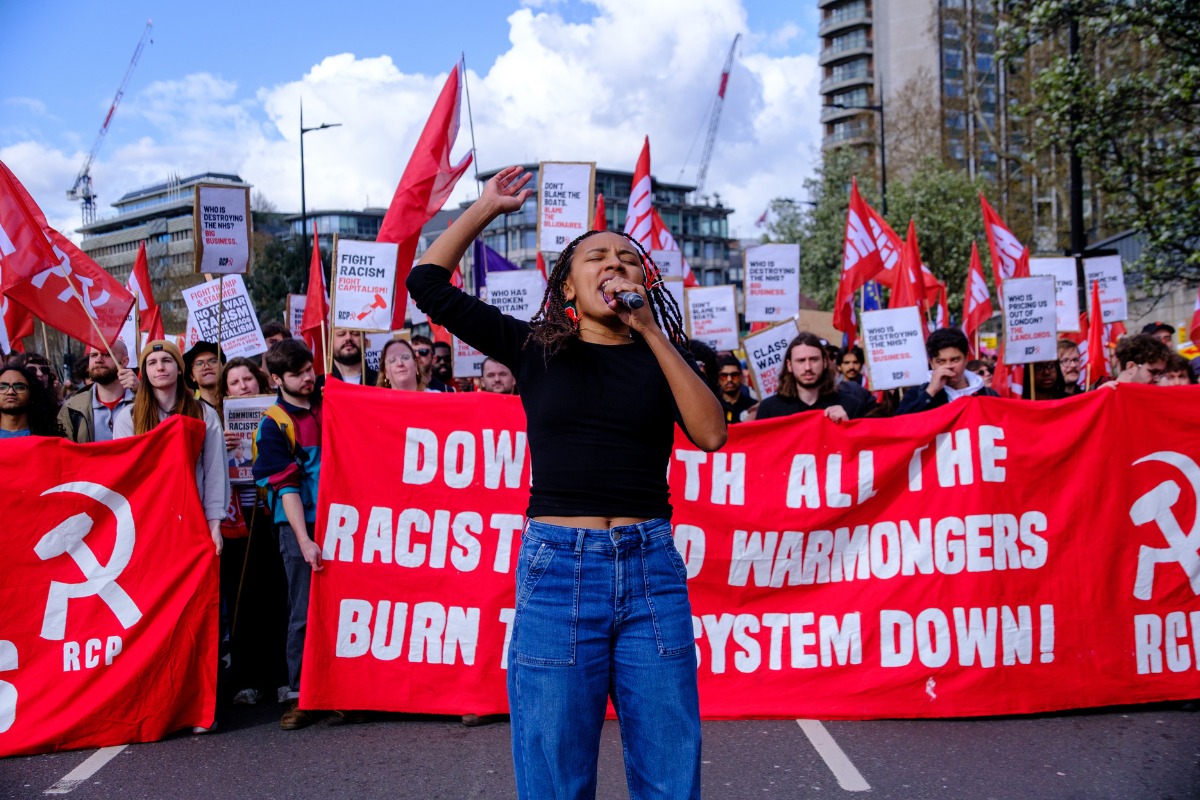
This brings new opportunities, and we must meet them with a new outlook. Our public profile should be sharpened and professionalised, especially on social media and in the party’s media relations. Regions should start thinking bigger, for example about larger, public-facing regional schools given that the Revolution Festival is now almost at capacity. At every level we should keep our eyes open for initiatives where we can take the lead, in a way that we may not have been capable of before.
Above all, we need to raise our sights to the possibilities for growth. Every comrade should fix their sights on the 1,500 and then the 2,000-member mark. We should act with urgency to reach them, starting immediately after this Congress with a summer recruitment campaign.
Events are unfolding rapidly and a pre-revolutionary crisis is on the horizon. Within a few years our relatively untrained and untested organisation will be hurled into tumultuous events unlike anything any of us have experienced before. Building the revolutionary party is the key to the victory of the revolution in the future. In that sense, the work that every comrade does today to implement this resolution and build the RCP, is work to unlock the next stage in the development of world history. This is the responsibility on our shoulders. We require determination, audacity, and the conviction that through our collective effort we have a world to win.