
Graduates served a 30-year debt sentence
Since 2012, five million young people have been misled by the ‘plan two’ student loan repayment scheme.
As a part of the plan two scheme, people must pay back nine percent of whatever they earn over £28,470. This repayment period lasts for up to 30 years, at which point the debt is wiped.
However, the interest rate for this debt is determined by the rate of inflation plus three percent. This means, in practice, graduates are trapped in a “30 year debt sentence”, paying off a debt which is growing faster than anyone could pay it back.
The majority of graduates are now saddled with more debt than when they left university. Last year, for example, a collective £15 billion was added in interest to student loan debts. The overall debt grew by £482 every second.
To put these numbers in real terms, a teacher earning £38,000 a year will never pay off their loan, despite contributing £95,000 over 30 years. Similarly, a nurse on £36,000 will pay £82,000 – double the upfront cost of tuition fees.
In reality, you must make over £66,000 a year – double the national average – to even cover the cost of interest.

With graduate jobs now only paying marginally more than non-graduate roles, it is clear that most will carry the burden of this debt for their entire working life. Already, with living costs so high, some are even reducing working hours and turning down promotions to avoid the bite of repayments.
This is a decision that no teenager would knowingly sign off on. MPs and the media have started asking if this is the latest ‘mis-selling scandal’ waiting to unravel.
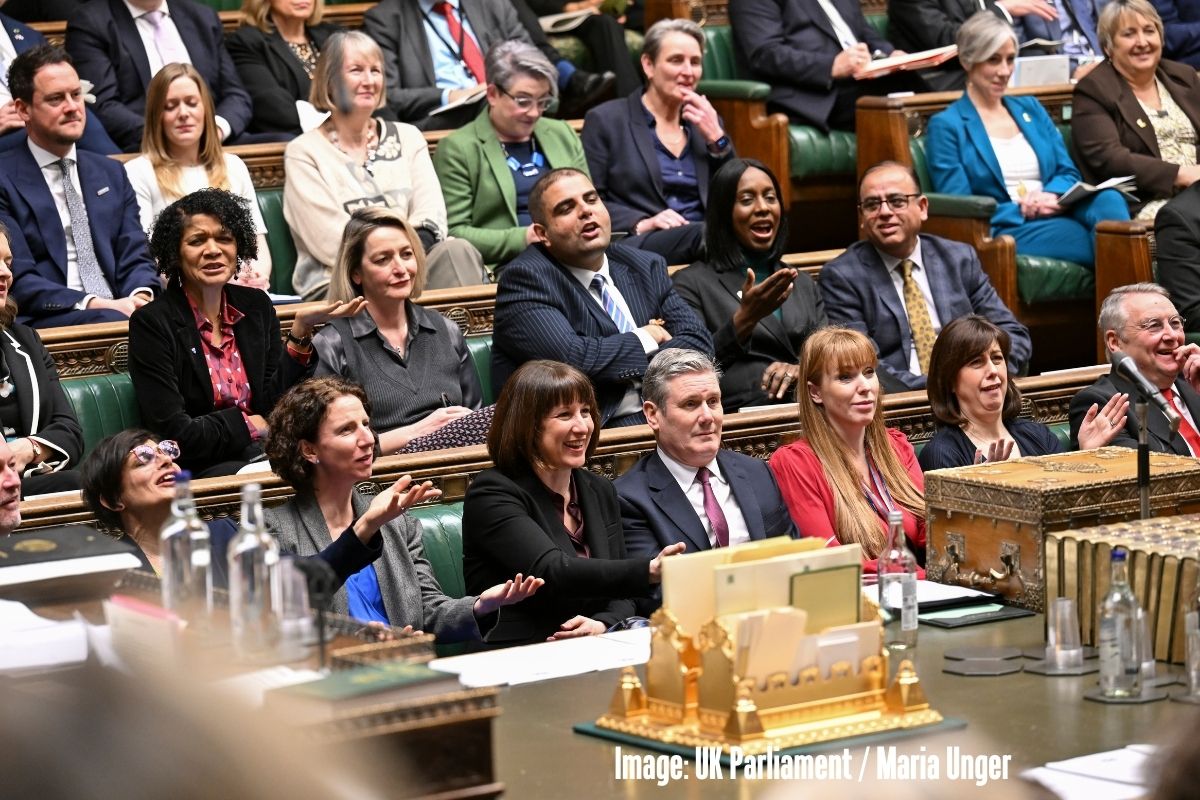
In reaction to this Chancellor Rachel Reeves has doubled down on the scheme calling it “fair and reasonable” – ironic coming from an individual who paid only £3,000 for her whole university education!
Higher education today benefits those who can sidestep loans by paying for their education upfront, whilst crushing anyone else trying to climb the ladder.
Unless we do something about the system behind this marketisation, education and skilled work will become the preserve of the few who do not face 30 years loans for three years of studying.
Tom Fowles, Norwich
Cheating on your boss?
When you read the words “bosses crack down on polygamous workers”, you’d be forgiven for misunderstanding. Bosses… love traditional family values?
Curious, I read this article highlighting crackdowns on ‘polygamous’ workers in London councils. And no, it doesn’t mean workers with multiple wives or husbands – it means workers working multiple full-time jobs.
Many jobs, particularly in admin, have advanced to the point where all you need to do is push a button and check the results. As one finance assistant described it: “My job was boring. I automated a lot of stuff on Excel. I was on Reddit all day.”
Surely, in a productivity crisis, with real wages in London down 25 percent since 2010, no one could begrudge someone a little work on the side, so long as the jobs get done?
That’s not how the bosses see it. Software to show idle computer mouses, timed breaks, payment per item: there are countless measures taken by employers to make sure as much of our lives as possible are spent producing profit for them. Not for any other company and certainly not, God forbid, satisfying our own needs!
The reality is we have automated many jobs to the point where we can handle them with plenty of time to spare in our days – and absolutely without a Scrooge McDuck at the top counting his gold.
So I ask every worker reading this: why the hell are the bosses still here? Clear them out!
Hugh Nankervis, Oxford
Jim Ratcliffe, King of the hypocrites

Sir Jim Ratcliffe, the Manchester United owner and chief executive of the multinational chemicals company Ineos – who has a net worth of £17 billion as of this year – recently claimed the UK has been “colonised” by immigrants.
His proof of this is laughable: he says that since 2020 our population has grown by 12 million. And that’s his entire argument!
He alludes to these supposed millions all being unemployed and claiming benefit – but conveniently ignores his own role in increasing unemployment.
Since he took over Manchester United in 2024 he’s got rid of up to 450 staff. In November 2025 he made several hundred Ineos workers redundant, on top of other redundancies throughout the year.
Him and his ilk are the ones responsible for the unemployment we see today, not migrants. When times get tough, businesses make redundancies. This is an inevitable fact of capitalism – and further proof that it’s the capitalist system and all its billionaire fearmongers who need to go.
Gareth Owen, Leeds
Labour’s ICE raids
With ICE raids sweeping the USA, it is worth looking at the situation in the UK. Since Labour took office, there has been an 83 percent increase in undocumented migrants being arrested for working ‘illegally’.
In December last year a particularly large raid was made at Panattoni Park in Swindon, which is currently under construction. After all the workers were stopped and questioned by police and immigration officers, 30 were arrested for deportation.
The Panattoni real estate developers were quick to shirk the blame to its subcontractors and employment agencies for hiring these staff. But in fact all of these companies are more than happy to employ workers like these – who will want to keep their heads down no matter the treatment or low pay they receive.
Although it has been found that these raids actually have no effect on reducing migration, Labour is obviously making shows of force like these to win back votes from Reform.
We can expect to see more raids and anti-migrant rhetoric from the ruling class as the government remains unable to improve falling living standards. We should take the chance now to learn from the events in the US about how we can fight back against this in Britain.
Joe Wilson, Newcastle
Capitalism’s real death toll

Recently, news broke of groundbreaking progress in a cure for pancreatic cancer. A team at the Spanish National Cancer Research Centre has developed a triple-drug therapy which eliminates pancreatic tumors in mice – with no resistance or major side effects. This is a huge step forward.
However, at the same time the news came out that this potential cure is already at risk of collapse: the team needs €30 million in funds, or the research dies before it can face human trials.
Where will this money come from? The Spanish state is busy upping military spending to two percent of GDP, so it has been left to the research team’s workers to source this cash.
Admirably, almost €2 million has already been raised through crowdfunding by ordinary people keen to see the scourge of cancer eradicated. Yet it’s hard, looking at this number, not to think of the trillions of dollars being passed around on the stock market all the time like it’s nothing.
This sickening situation is no outlier; it is a deeply truthful reflection of the priorities of the billionaires and the bankers. Only through expropriating these parasites can we genuinely develop and mass produce cures for diseases that have plagued us throughout history.
Aarondev Atwal, Lancaster
Manchester’s one-sided ‘growth’
You may have seen fawning in the press about Manchester’s economic miracle under Mayor Andy Burnham.
Indeed, the city-region’s economy has grown annually by 2.5 percent since 2024, outstripping the rest of the country’s stagnant economy.
But this relatively meagre growth has been a product of coaxing multinational private investors like Vanguard and BNY, alongside a boom in the property sector.
The Greater Manchester Combined Authority has for decades showered property developers with loans, while removing barriers in the way of them raising their towering luxury flats.
This doesn’t feel like growth for ordinary people. The cost of living is sky-high; disposable income in many areas is below the national average, and in some it is actually falling.
There’s been a staggering rise in housing costs. Property prices have increased from 30 to 40 percent in the past five years – a boon for the capitalists, but hell for workers.
Homelessness in Manchester is among the highest in the country, at one in every 61 people. It’s a similar story for household deprivation, with the second highest proportion nationally.
It’s common for a new food hall or some other fancy new business to open up, only for locals to not even be able to afford it. Instead, they have the luxury of choosing between food or heating!
This growth only benefits the capitalists. Ordinary Mancunians, meanwhile, feel stagnation, disparity, and decline. If anything, the economic development taking place only increases their sense of anger and alienation.
Maeve Hanley, Sheffield
Does revolution come in pill form?

Last spring I stopped taking anti-depressants. I had never been doing better – I have good people around me, I have goals and feel I have purpose in life, I feel good about my creativity.
I’ve been depressed for as long as I can remember, and medication hadn’t helped much but it was something, at least. And last year I felt I didn’t need it anymore. I was finally doing well!
I started my job hunt in July. I’ve gotten a singular interview and a handful of automated rejection emails.
I’ve created countless accounts, given my postcode to countless companies. I’ve cringed my way through multiple creepy AI co-worker videos, crawled my way through the worst designed websites ever seen, and I’ve been made to do personality tests where the Co-op told me I’m not friendly enough to stock shelves.
By winter, my mental health had been destroyed. I feel like I’m fourteen again, except now I have everything I wanted at that age: independence, a social life, things to actually live for. Yet unemployment has sunk its claws into every corner of my life.
I feel lonely because everyone else is at work, I feel like I’m not pulling my weight in my relationship because I can’t contribute to bills, I can’t afford creative opportunities or travel or books.
I’ve been considering going back on medication, at least to try it. But I can’t spend money on something that might not work and won’t actually fight the cause of my problems.
I know exactly what’s caused such a sharp decline in my mental health: capitalism. It’s destroying all aspects of our lives. May we do to this system what it has done to all of us.
Blue, Leeds