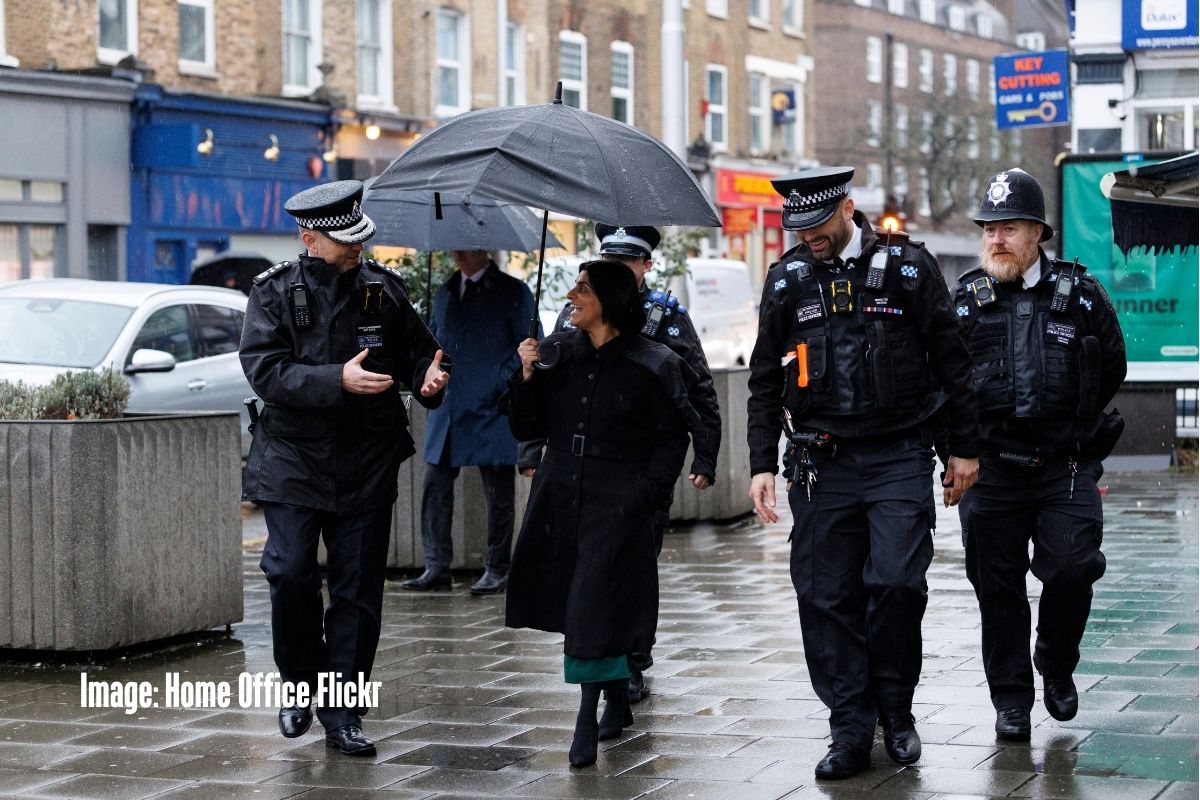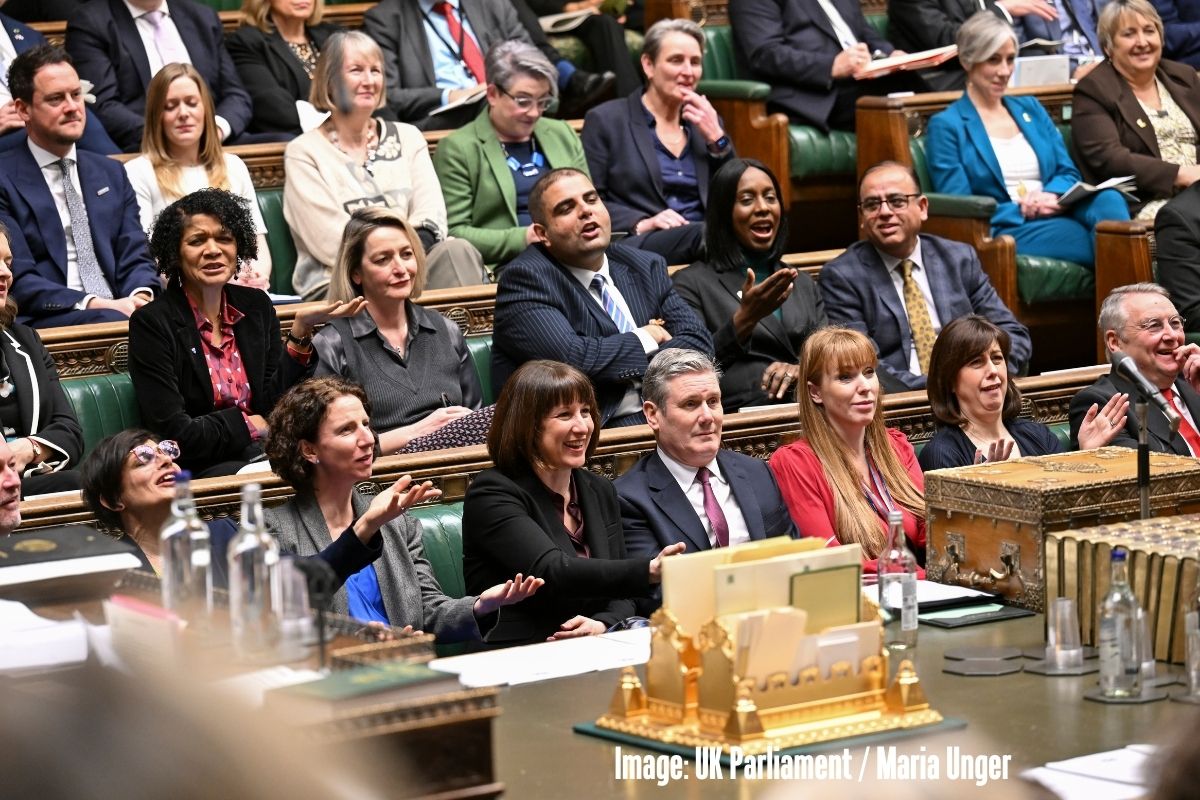

Speaking in Hertfordshire recently, after the fallout of the Mandelson scandal, Keir Starmer proclaimed: “I have the most working-class Cabinet in the history of this country”. This bold claim requires some of that ‘forensic’ scrutiny that Starmer is known for.
Let’s start with the man himself: “I’m in that Cabinet as Prime Minister, having come from a working-class background”. Starmer has often spoken of the difficulty of growing up as the son of a nurse and a toolmaker. He neglects to mention that his dad owned the tool factory.
He has said before that he has faced “huge challenges” and knows what it is like to worry to death around the “kitchen table” with bills that you cannot pay.
And yet, ‘Sir’ Keir has enjoyed a long and lucrative career as a top lawyer. In the gilded halls of Chancery Lane, he worked his way up to Director of Public Prosecutions and head of the Crown Prosecution Service (CPS). He was and remains a sworn and reliable servant of the British establishment.
Front benches
Turning to Starmer’s Cabinet, Bridget Phillipson – Labour’s education secretary – is another so-called ‘working-class hero’. Having been raised in the 1980s by a single mother in a council house in Sunderland, her family faced financial struggles.
She describes herself as having been “at the margins” of society, bullied at school for being poor, for receiving free school meals, and having no father. She puts herself forward as someone who knows how bad it can be, and therefore can fix it.

Nevermind the fact that, after being shortlisted for a safe Labour seat, she’s spent the best part of two decades in the cloistered halls of Westminster Palace, scurrying between parliamentary select committees and secretarial posts. She’s a career politician, through and through.
Labour’s justice secretary – the war criminal David Lammy – tells a very similar story, having grown up in a working-class immigrant household in Tottenham. But after graduating with a Masters of Law from Harvard to study law, began working for a top US law firm. He then got shortlisted for another safe Labour seat under Blair, and began climbing the ministerial ladder.
Rachel Reeves, the ‘Iron Chancellor’, also plays up her working-class credentials. With both parents having to work as teachers to keep up with the bills, she herself spent her childhood breaking the mold becoming a great chess and flute player – all in spite of her working-class background!
So lofty were her ambitions that, immediately after graduating, she found herself a gig at the Bank of England. She later left to pursue a career in the private banking and insurance sector.
As Chancellor, she promises to end the hardship that her family had to endure by bringing about a budget that works for the many – or so she said before the 2024 general election. Now she’s slashing welfare at the behest of bankers and employers.
And who can forget the working-class poster woman of the Labour Party, Angela Rayner? She was a single mother with a disabled son, who had to live in a council flat at the age of 16. But now, having climbed the greasy pole of the Unison bureaucracy, she is entirely divorced from the life of the working class.
Rayner had to resign as Deputy Prime Minister and housing secretary, after she dodged taxes of up to £40,000 in stamp duty on a £800,000 flat in Hove – her third property, mind you! All the while, the housing crisis grew under her ministership. The irony is palpable!
Turncoats and upstarts
Some of these ministers were indeed from poor or working-class backgrounds. But each and every one of them has since turned their backs on the working class – often having used the workers’ movement as a stepping stone to the top.
None of these people have to work long, arduous shifts anymore to make a living. Instead, they now receive hefty salaries, and are showered with generous corporate gifts to carry out the will of the capitalists. Once they bow out of politics, they’re guaranteed a well-paid job in the private sector.
Let’s make it clear, these people are class traitors. It is not enough for a Cabinet to be made up of ‘working-class’ individuals. It means nothing.
These parvenus and upstarts have broken from their class backgrounds, and are therefore all-the-more desperate to maintain their cushy jobs and privileges; all the more servile to their social ‘superiors’ in the City of London.
They might have entered Labour with the purest of intentions – so what? Parliament and the labour bureaucracy are machines designed to churn out hacks and apparatchiks.