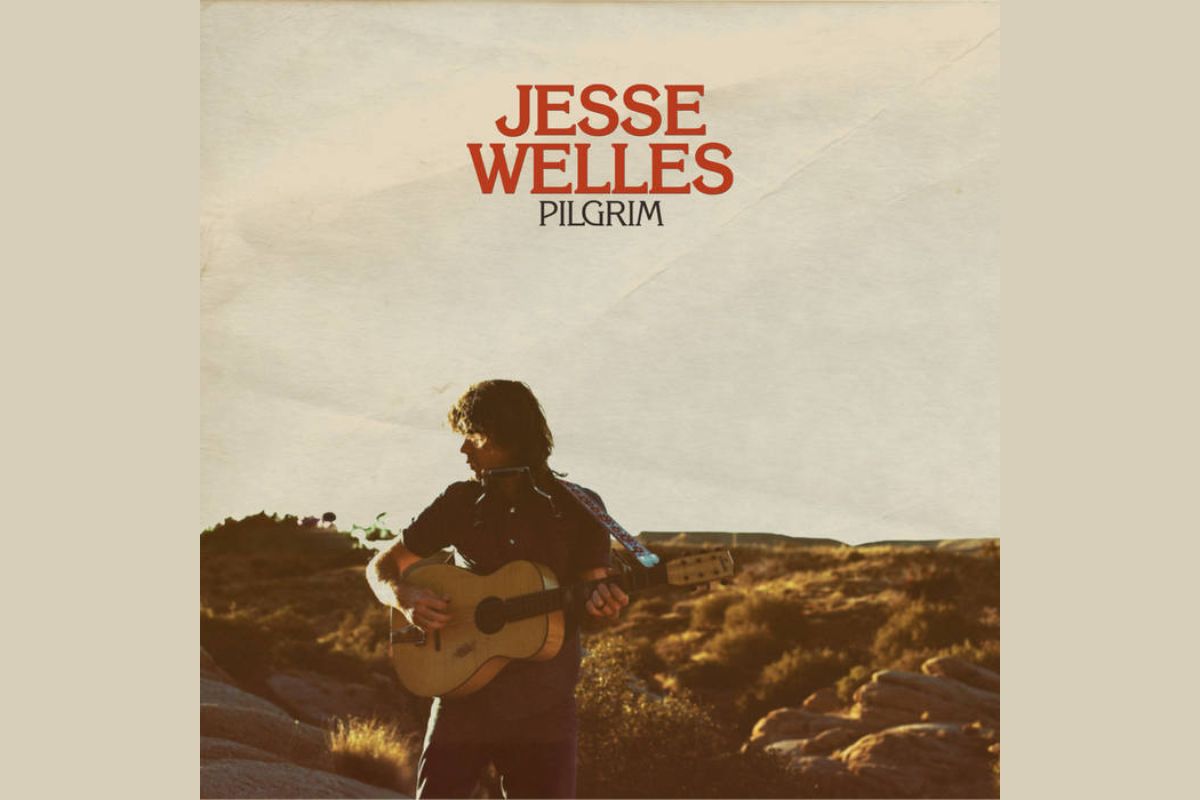

I had the privilege recently to see Jesse Welles, the folk-singer from Arkansas who is enjoying a meteoric rise, at the Electric Ballroom in London.
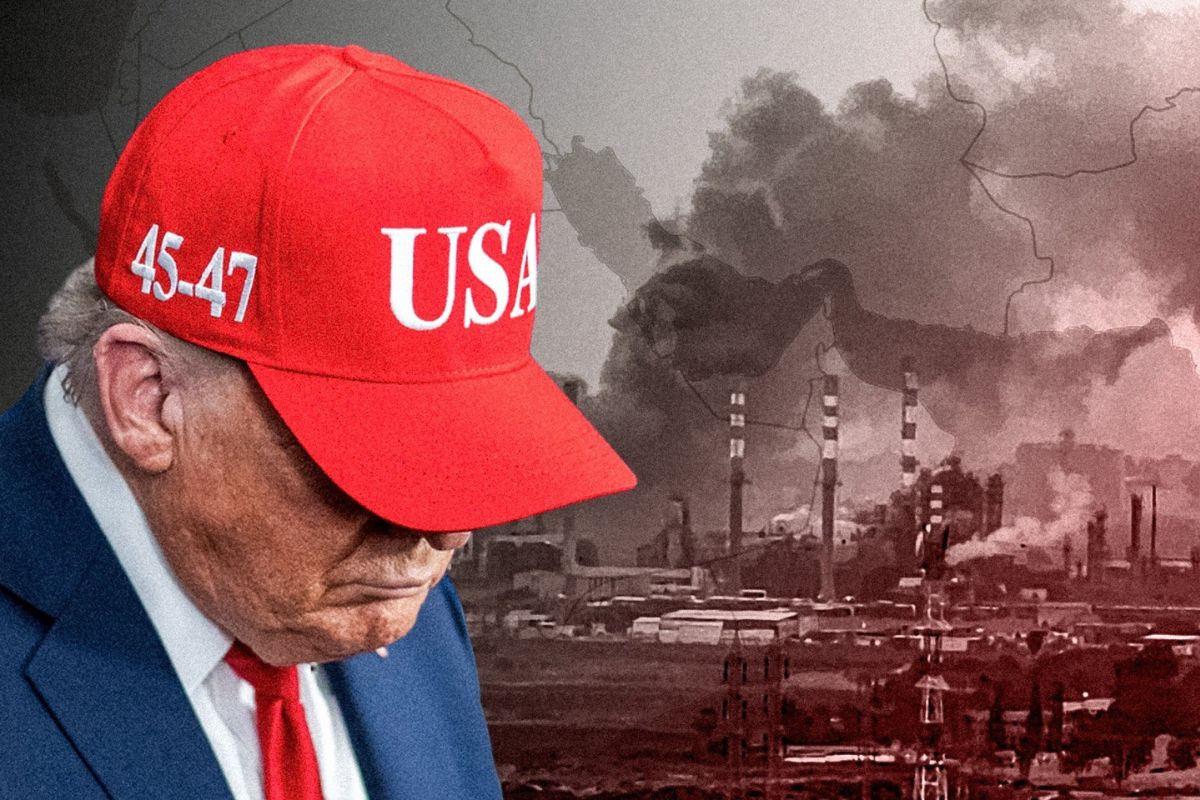
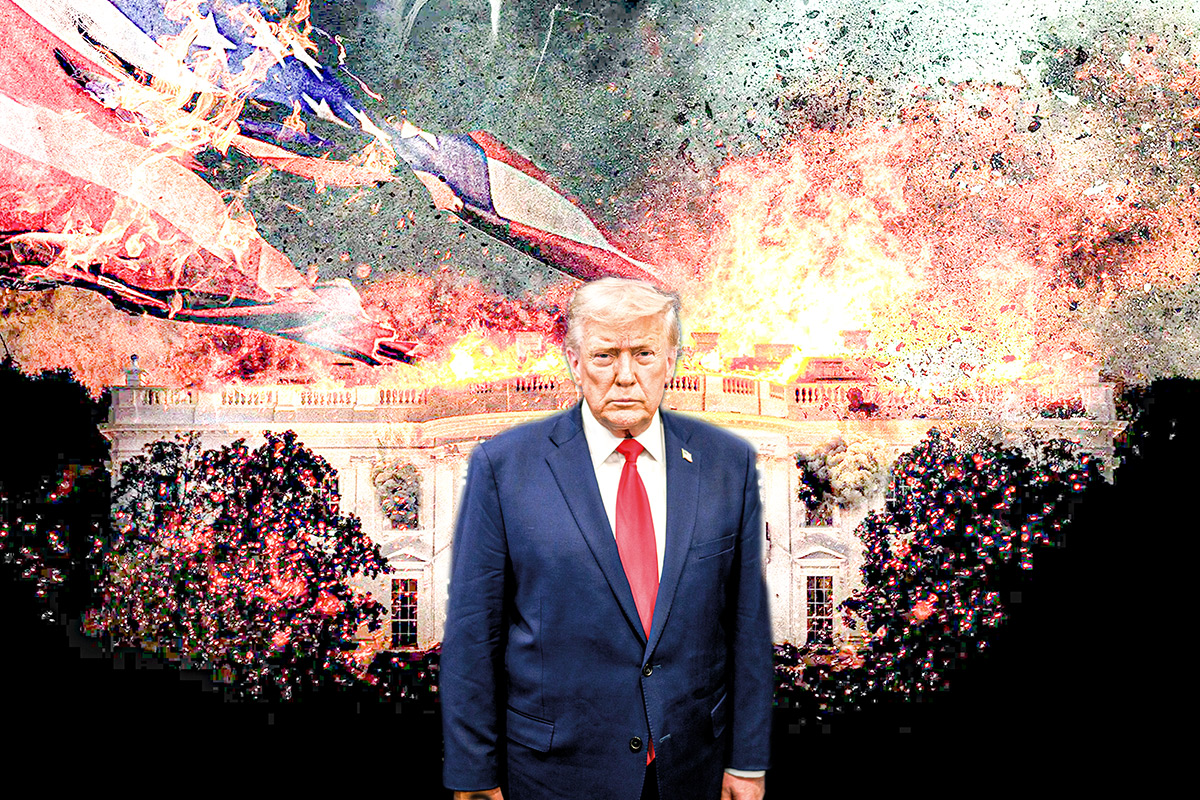
He gave an excellent performance, opening with his most recent singles ‘The List’ and ‘Join Ice.’ Both are satirical protest songs dealing with the Trump administration. The former deals with the long-running Epstein scandal, whilst the latter is about the vicious and bloated government agency Trump is currently using to terrorise immigrants.
These two songs encapsulate his whole style as a topical folk singer whose wit is capable of exposing the absurdity of current events.
It is for this reason that he has drawn many comparisons to Bob Dylan, who began his career in much the same way.
A voice like sand and glue
As I watched the performance, it wasn’t hard to see why he’s earned these comparisons. David Bowie once described Bob Dylan as having ‘a voice like sand and glue’ and the same could certainly be said for Welles.
There was also the fact that he did half his set acoustically and another electrically with the backing of a talented band. There were no shouts of ‘Judas’ though, like when Bob Dylan shifted toward electric sets – suggesting folk fans have come to terms with the development of folk rock these past 60 years!
Yet there is a more serious point of comparison between the two, particularly in the way they are viewed as ‘voices of a generation.’
Dylan infamously hated this accolade, seeing it as a constraint to always play the same kind of music. There was also a serious attempt to draw Dylan directly into the Civil Rights Movement of the 1960s, to turn him from a musician into a political activist.
In truth, the political aspirations of millions refracted through Dylan because his music connected with the mood of the American youth. His acerbic songs railing against war and racism like ‘Masters of War’ and ‘Oxford Town’ reflected a burning anger in American society.
Reflecting class anger
Today, Welles is beginning to play a similar role with songs like ‘War Isn’t Murder’ which found an enormous echo as it lampooned the cynicism of the ruling class in facilitating the genocide in Gaza. Taking aim at Trump’s Gaza Plan, Welles sings:
“So in a short 20 years, when you vacation the Strip
Don’t think about the dead and have a nice trip”
Equally evocative is Welles’ song ‘United Health’ written in response to the assassination of UnitedHealth CEO Brian Thompson. The song ridicules the US healthcare system and the practices of health insurance providers denying healthcare in order to maximise profits:
“You’re paying for the paper, you’re paying for the phone
You paid their salary to deny you what you’re owed”
Of note at the concert was the cheer of the crowd when Welles sang the line, “CEO’s come and go, and one just went”. Widespread class anger and disgust have been building up for many years and it is clear Welles is reflecting and responding to this.
Welles’ own politics is understandably confused and contradictory, much like the consciousness of many ordinary Americans today.
During an extensive interview on the Joe Rogan podcast Welles, whilst discussing the killing of CEO Brian Thompson, explicitly states that “the system would have to be revolution, you can’t have healthcare for profit… you’d have to socialise the medicine”.
But on the other hand his lyrics have included lines like “don’t go mistake me for some pinko commie rat”. Some others on the so-called left have also taken issue with his supposedly “soft” response to Charlie Kirk’s assassination, and the high ticket prices on his American and international tours.
Some people have even accused Welles of being a ‘grifter’ or a disingenuous ‘industry plant’. Shallow and tendentious comments like this miss the point entirely with artists like Welles.
Political vacuum
Much like Bob Dylan, Jesse Welles is not going to lead a political movement to put an end to the injustices he’s commenting on. Nor should this be expected of him – or any artist.
The far more relevant point to make is that it is a truly damning indictment of the left today that some of the most politically outspoken figures, particularly on the genocide in Gaza, have been musicians like Welles.
All we can draw from this is the existence of an enormous political vacuum, and the desperate need to build an actual political alternative. We should not place undue expectations on artists, who cannot be asked to do more than what they are able to.
What we can look for in art and culture in general is that it says something profound about the world we live in, whether that’s explicitly political or not.
It should serve to invoke in us an emotive response because it chimes with our experience, makes us reflect on it and perhaps even changes our view. Too little of what gets pumped out by the few monopolistic music companies does this, but Jesse Welles does it in spades.
For this, he must be celebrated, regardless of any perceived flaws or imperfections.