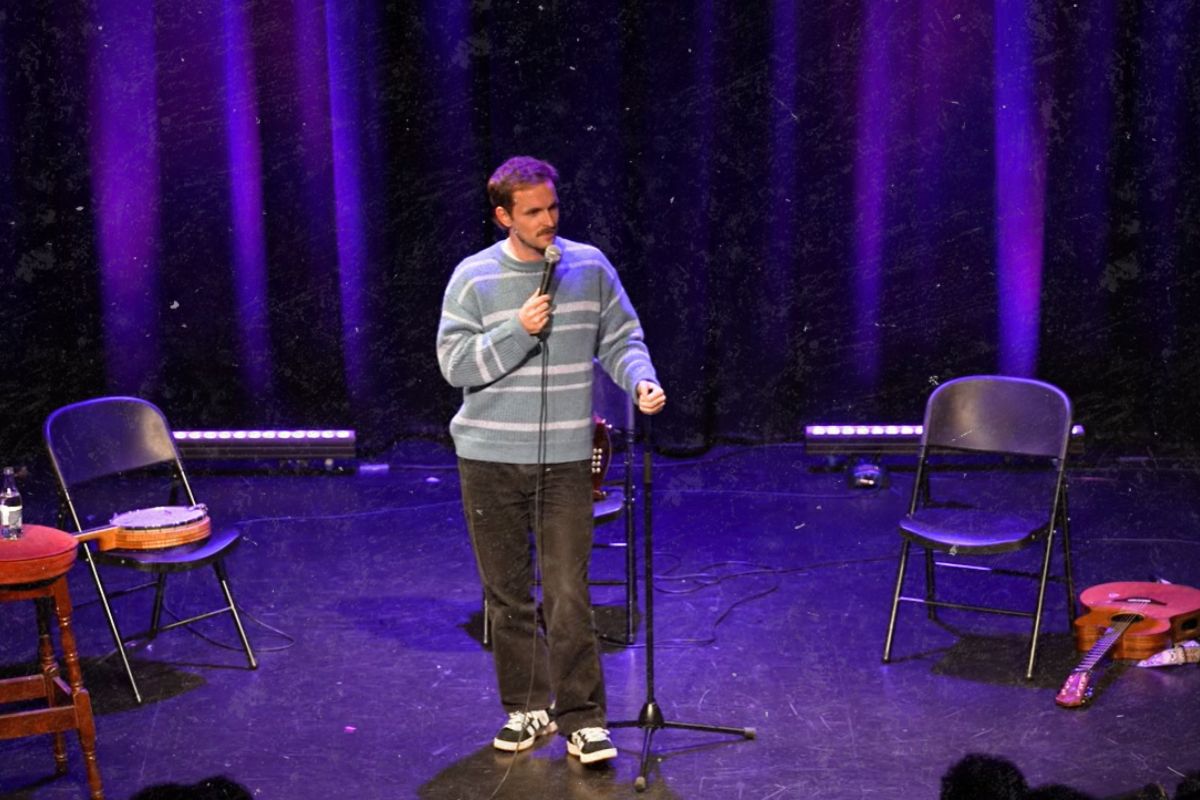
The recent unearthing of comedian Vittorio Angelone’s vile rape joke on the Have a Word podcast, and the subsequent fallout, has led to certain #MeToo moment in the stand-up comedy scene.
Laughter is part of being human. When we laugh, our brains release endorphins and dopamine, cortisol is lowered and a sense of safety and wellbeing is created. It is crucial to bonding.
Humour is essential in working class and oppressed communities – we joke to get through difficult times and this humour can turn very dark. Stand-up comedy is the art of developing a highly skilled instinct on your content and timing in order to connect with such humour.
But capitalism needs and breeds misogyny, which is of course reflected in the comedy scene.
A study by the industry body CRAFT, surveying people who work in comedy, showed a lot of difficulties with women getting booked, widespread pressure to tolerate sexist ‘banter’, and various other findings pointing towards a certain ‘boys club’ culture in comedy.
View this post on Instagram
Like with all arts, it is very difficult to make a living off of telling jokes. Competition is fierce. Many comedians are desperately scrambling for any punchlines that will set them apart and get them a moment of limelight, even if this resorts to cruelly ‘punching down’.
Disturbingly, the survey found these attitudes extend beyond the content of comedian’s acts on-stage: 52 percent of respondents who answered questions about sexual assault, including cases of sexual harassment, said they had been assaulted at least once.
None of this is a new phenomenon, however, or is unfamiliar to anyone in the stand-up scene.
What has doubtless given this latest incident a particular sting was that Angelone is, or was, considered to be left-wing comedian. He’d recently gone viral for roasting the warmongering ex-Tory MP Penny Mordaunt on Channel 4’s panel show The Last Leg, for example.
Another left-wing comedian, Daniel Sloss – who had gone viral in 2019 doing a bit about rape culture – has also come under fire for laughing at Angelone’s joke. Sloss and Angelone have both since apologised.
Unfortunately, under capitalism, comedy is always at risk of being poisoned by reactionary ideas. But it can be used in an empowering, unifying way – dark comedy included – and has always played a role in the class struggle.
Hopefully, with more younger comedians from a new, radicalised generation taking to the stage, we will see offensive jokes like Angelone’s dying out – and an increase in popularity for comedy that consistently ‘punches up’ instead.