



On Engels’ “Origin of the Family” – Part One
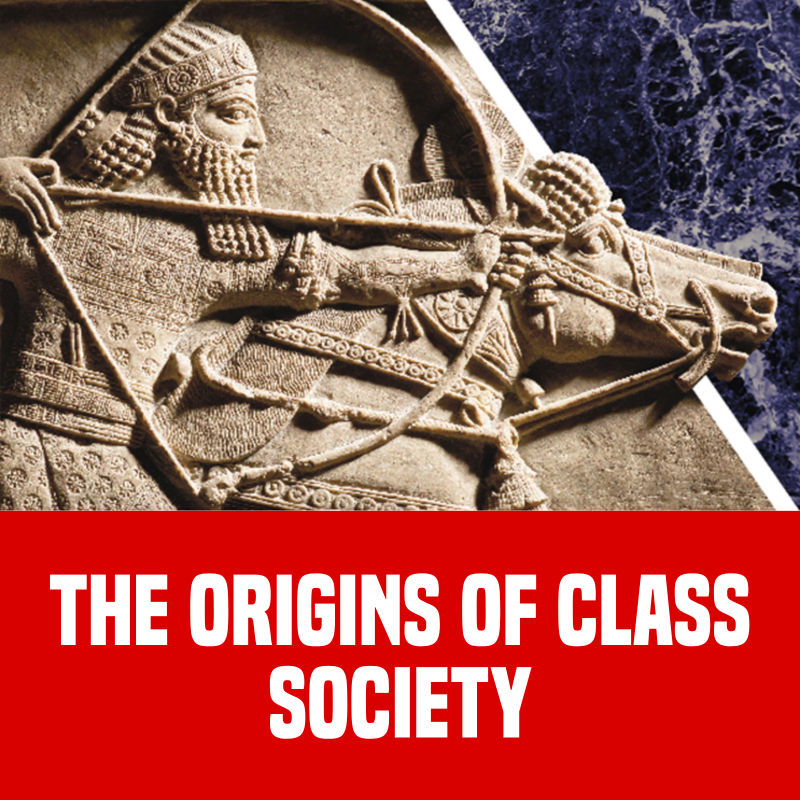
One of the great classics of Marxism
is the book by Frederick Engels entitled ‘The Origins of the Family,
Private Property and the State’. Engels applies the method of historical
materialism to this earliest period of pre-history to uncover the past.
As a contribution to International Women’s Day, we are republishing in
two parts an article by Mary Hansen and Rob Sewell which examines this
question.

Engels and human development
In this article from 1984, John Pickard discusses the brilliant insights provided by Engels on the question of human evolutionary development, contained in his pamphlet ‘The Part Played by Labour in the Transition from Ape to Man’.
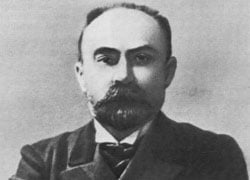
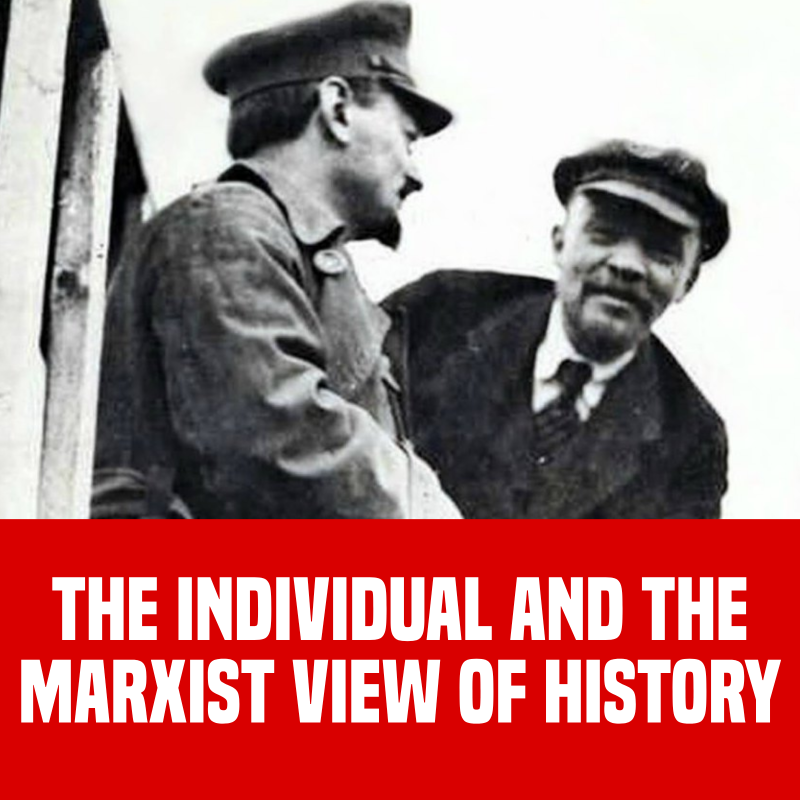
The Role of the Individual in History
Together with the same author’s
‘Materialist conception of history’ this is a brilliant introduction to
historical materialism. Clearly there are limits to the ‘what if’ way of
looking at historical processes, but the reader will no doubt find Plekhanov’s
conclusion that even such over-arching figures as Napoleon or Robespierre did
not fundamentally change the broad course of historical development compelling.
After all Plekhanov is defending the basic materialist conception of history,
i.e. that progress is determined by material forces that manifest themselves in
the activities of millions of people. He explains it well. In doing so he is
illuminating the interplay of accident and necessity in history.