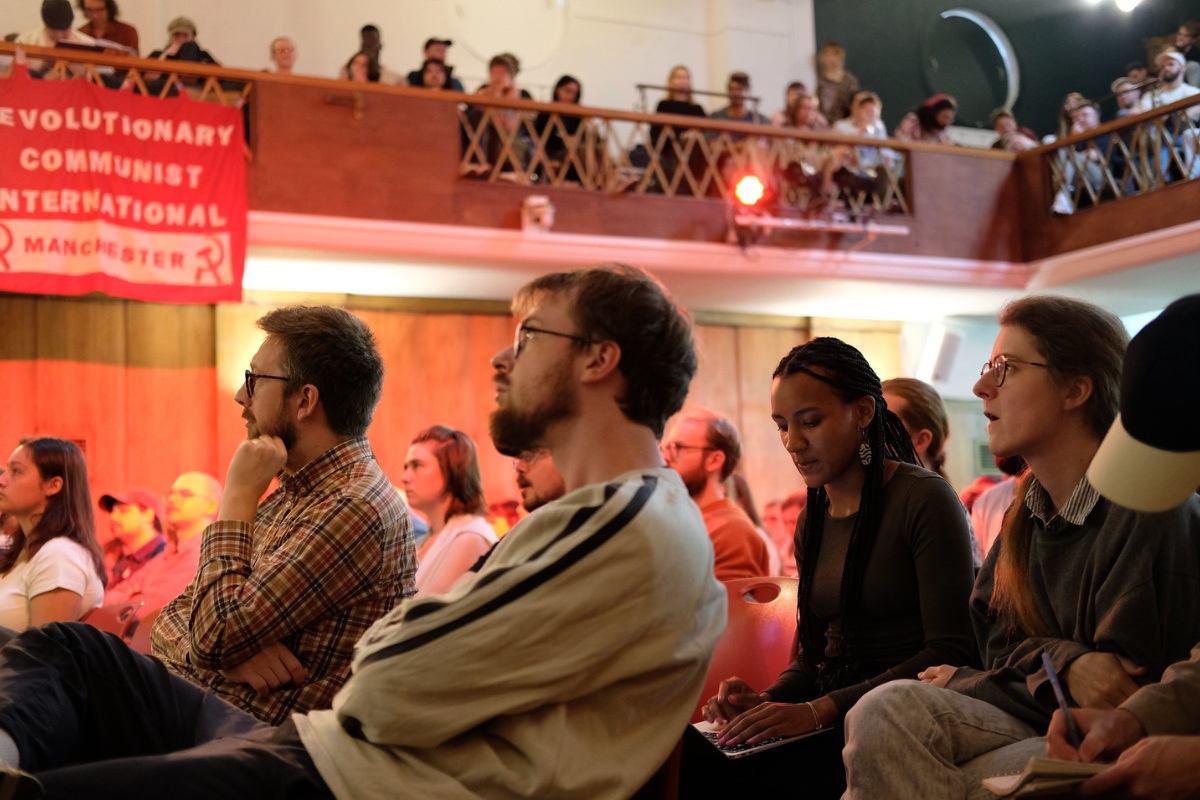
This month, I attended a meeting of the leadership of the Revolutionary Communist International, where we discussed the world situation, and heard reports from different sections on how they are growing and developing.
Hearing the perspectives from our US comrades on how the mass movement in Minnesota undermined Trump was inspiring. There has been total pessimism on the left since the election of Trump. Except for the Communists, that is.
We explained from the beginning that Trump’s election did not represent a decisive shift to the right, but was a product of the deep polarisation in society, on both sides. This is being proven.
Hearing about ordinary workers and local residents setting up neighbourhood defence committees to protect themselves from ICE attacks, and holding mass meetings that our comrades participated in, was a powerful reminder of the revolutionary potential that lies deep within the belly of the beast.
View this post on Instagram
The weeklong meeting provided me above all with time to think. Politics today is a fast-paced environment, and there is a pressure to comment on and participate in as much as possible, as quickly as possible. Social media, which forms a large part of my work, is the most extreme concentration of this pressure.
The way to resist this pressure is to constantly surround yourself with real-life political activity: discussing with ordinary people, studying Marxist theory, and undertaking the patient work of building the party. This grounds you in what is actually important – not the whims of the bourgeois media circuit.
Social media
I have been thinking about social media lately, because I was invited to participate in a podcast centred on the question ‘Should we ban social media for under-16s?’.
Starmer has announced he is looking at measures to restrict social media usage for children. While many can see the political motivations behind this, the hosts raised concerns about safety, addictive algorithms, and more.
Ultimately, social media amplifies the worst elements of capitalism, and rams it down our throats to get a reaction from us – violence, misogyny, racism, and more.
The algorithms are maintained by profit-seeking companies, looking to drive as much traffic to their sites as possible. So what gets promoted is what will divide people amongst themselves. The problem is not the platforms in abstract, but rather who owns them.
View this post on Instagram
One of the worst elements of social media is how it can be atomising. You can lie in bed, doom scroll, and concentrate on the most reactionary sides of society. But the growth of the right is far from the only process taking place.
Something that can be said for social media, is it shows people they are not alone in how they are feeling, whether that’s anger about the genocide in Gaza and the wealth of the billionaires, or something more personal. Social media highlights that the world is more interconnected than ever before.
When revolutions, or mass movements break out, it is instantly known across the world. That is a powerful process. It’s no wonder that the first move of repressive governments when mass movements kick off is often to shut social media. We saw this in Bangladesh in 2024, and in Iran more recently.
Touch grass!
Our job is to translate that feeling of anger or sadness people have while scrolling online into doing something in real life. There is NO substitute for real-life organisation – or ‘touching grass’, as they say.
We mustn’t lose sight of the type of organisation we are trying to build. Social media can be a very fickle place. It rewards shallowness above all.
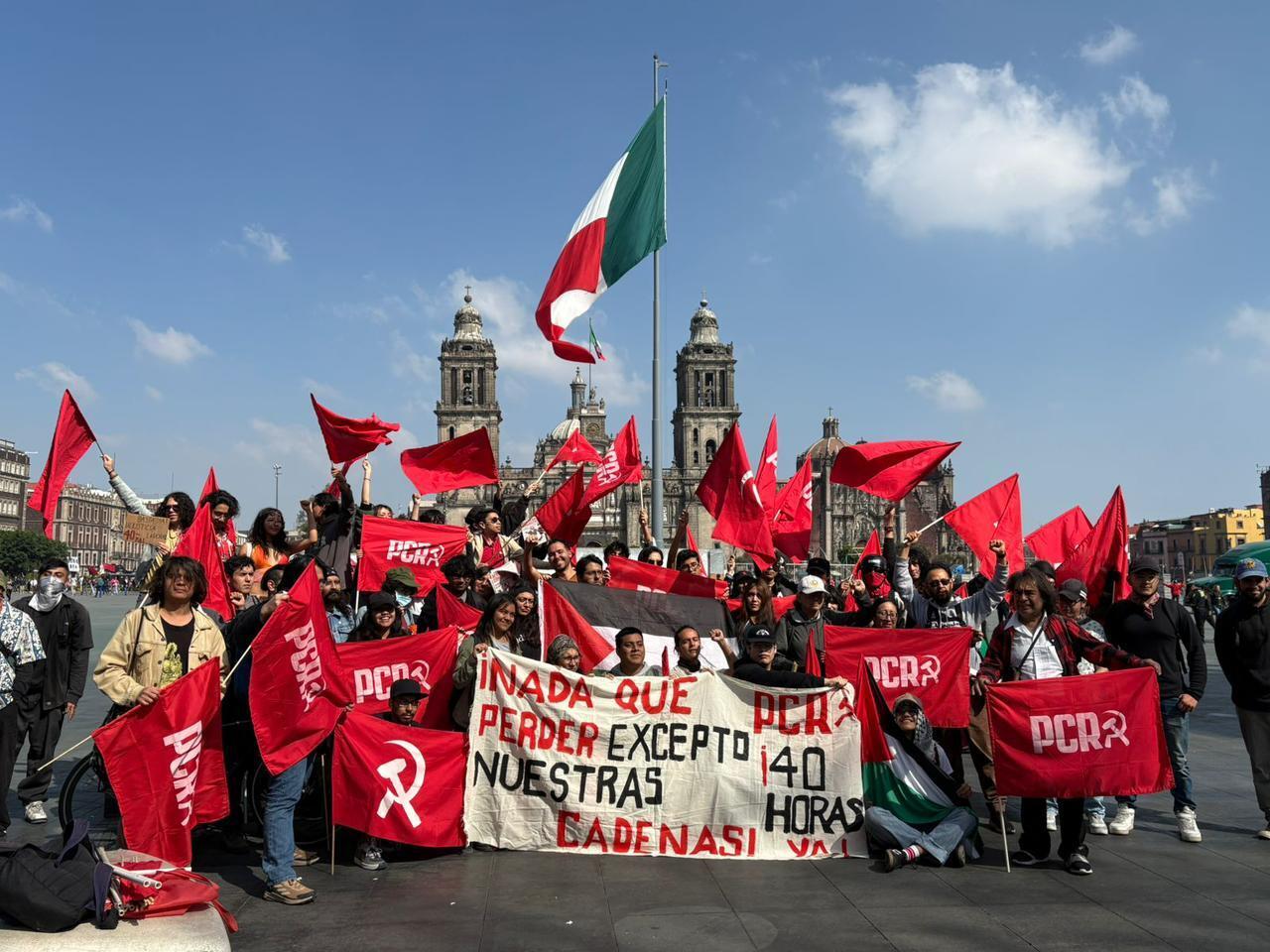
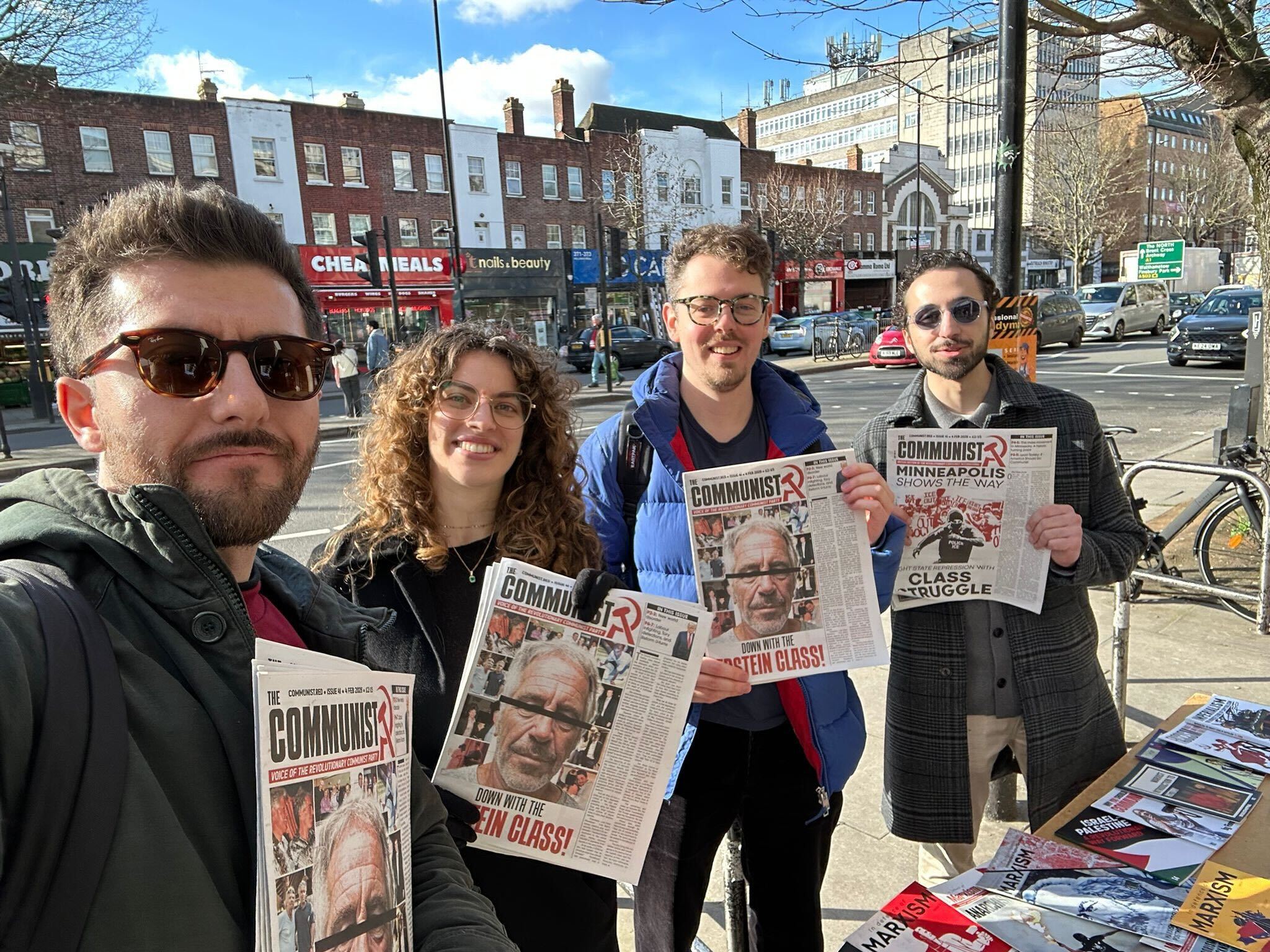
But I have noticed that the content on RCI social media accounts that provokes the biggest response are photographs and videos that show we are active in real life, and connecting with hundreds of people.
This enrages the reactionaries, and inspires hope in the revolutionary generation out there that is looking to get organised.
View this post on Instagram
For now, that is what we must concentrate on: building an organisation which can prove to people that change is possible – if we fight for it.
And to do that, we need to put our phones down, pick up some Marxist theory, and talk to our colleagues, classmates, and flatmates. TikTok and X will still be there tomorrow. But your angry friends are looking for answers today!