
Darwin’s Science vs ‘Intelligent Design’
November marks
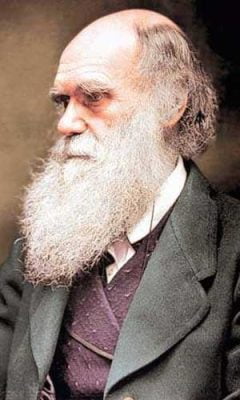
the 150th anniversary of the publication of Origin of Species by Charles Darwin. This book revolutionised
thinking about the living world because for the first time it provided an
explanation for the evolution of species, something that was long suspected by
scientists. Darwin’s
simple idea – change by natural selection
– is arguably the single most important foundation-stone upon which all modern
biology is based. The Origin of Species was
a triumph of the materialist world outlook, even if Darwin himself didn’t quite
put it that way, and for that reason its publication was celebrated by Marx and
Engels.
Darwin’s Untimely Burial
This interesting article by Stephen Jay Gould was originally written for Natural History in October 1976.

Engels and human development
In this article from 1984, John Pickard discusses the brilliant insights provided by Engels on the question of human evolutionary development, contained in his pamphlet ‘The Part Played by Labour in the Transition from Ape to Man’.