While tens of thousands of ordinary people queued for tickets to see the Bayeux Tapestry, billionaire Peter Thiel was given an early private viewing, courtesy of the British Museum.
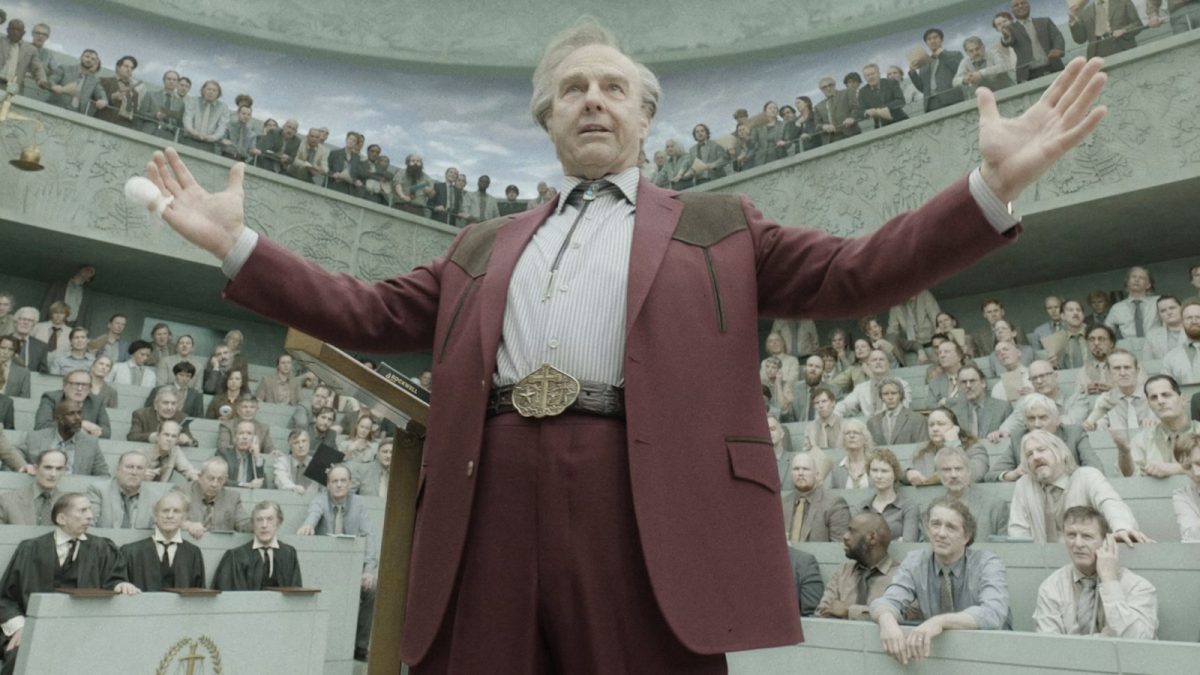
This is the very same Thiel who founded and chairs the dystopian surveillance company Palantir, and had close links to Jeffrey Epstein. The one who has no particular interest in this tapestry or culture at all, beyond his idiotic ramblings about the Antichrist at Cambridge University.
Cultural significance
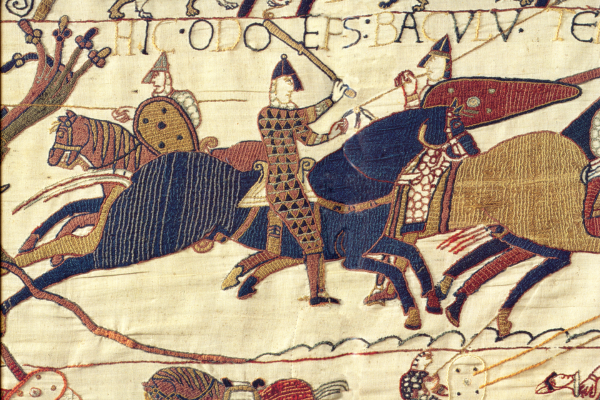
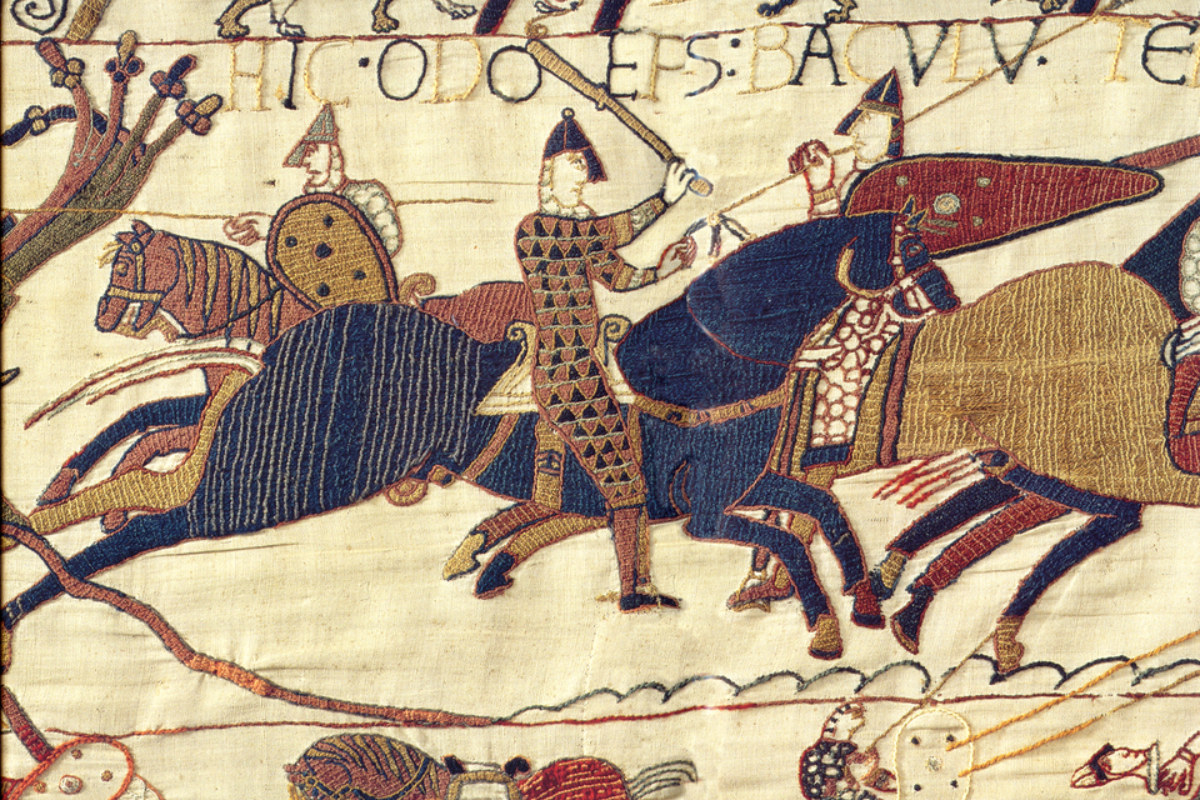
The Bayeux Tapestry depicts the Norman Conquest of England in 1066, one of the most significant events in this country’s history. The object, on loan from France, is on British soil for the first time since its creation nearly 1,000 years ago.
By all accounts, this is a major cultural moment for this country. Yet the “museum of the world, for the world” has demonstrated, once again, that culture is reserved first for the ultra-rich, while the rest of us must wait our turn.
The British Museum has also given free complimentary tickets to guests staying at the five-star luxury hotel One Aldwych. The Museum allowed George Osborne (former Chancellor of the Exchequer) and Ed Balls (former Economic Secretary to the Treasury) to record their pop-political podcast in the presence of the tapestry. All of this is using up valuable and extremely limited ‘light hours’ meant to preserve the delicate object from light damage.
Making culture pay
It pays to have business connections in museums. Osborne, formerly employed by BlackRock following his time as a Conservative MP, is chair of the governing Board of Trustees of the British Museum.
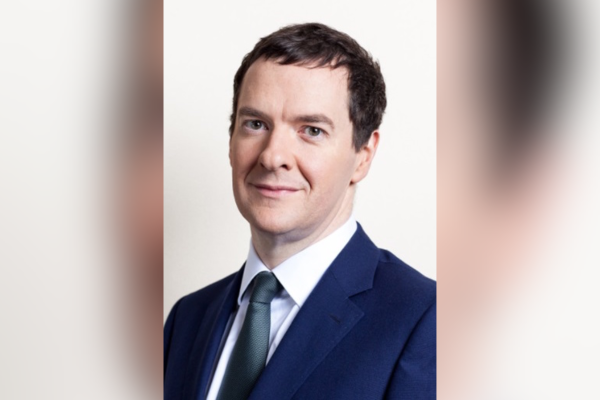
Osborne’s business connections allow him to bring in corporate sponsors to invest in high-profile exhibitions, to maintain their ‘social licence to operate’, all while receiving hundreds of millions of pounds in tax breaks on their donations.
In fact, the HMRC estimated in 2022 that £880 million was granted in relief for bodies like the British Museum, with £7.4 billion in charity tax relief overall.
Osborne is not alone. In fact, ten out of 22 trustees at the museum are currently in business, finance, or politics. Their only ties to arts and culture are their appointment to museum positions by the government or the Crown.
Under their direction, the British Museum has received corporate sponsorships from many special interests, including Bank of America, Morgan Stanley, and Santander. The Museum also hosted a party for the Israeli embassy last year.
Such connections brought £5 million from billionaire Igor Tulchinsky for the Bayeux Tapestry loan. Tulchinsky is CEO of the quantitative investment firm WorldQuant, with significant business interests in defence tech for Israel. As a sponsor, he was also allowed early access to the exhibition.
Political tool
Other early-access visitors included King Charles III, Emmanuel Macron, and Andy Burnham. The loan is widely considered an act of ‘cultural diplomacy’ between Britain and France, in line with Labour’s attempts to rebuild an economic relationship with Europe.
For the capitalists and their puppet statesmen, culture is nothing more than currency, meant to grease the wheels of commerce and gratify the passing curiosity of the Epstein class.
With this money comes influence – on everything from guests to the artistic and historical content of the exhibitions that museums host.
Arts and culture are a circus for the rich and powerful under capitalism. They are only ‘protected’ if they serve the needs and interests of profit. We can only defend culture in the interests of all of humanity by breaking it free from the prison of the capitalist system.