Shostakovich: The musical voice of the Russian Revolution
From this year’s Revolution Festival, Peter Kwasiborski, introduces Shostakovich.

From this year’s Revolution Festival, Peter Kwasiborski, introduces Shostakovich.
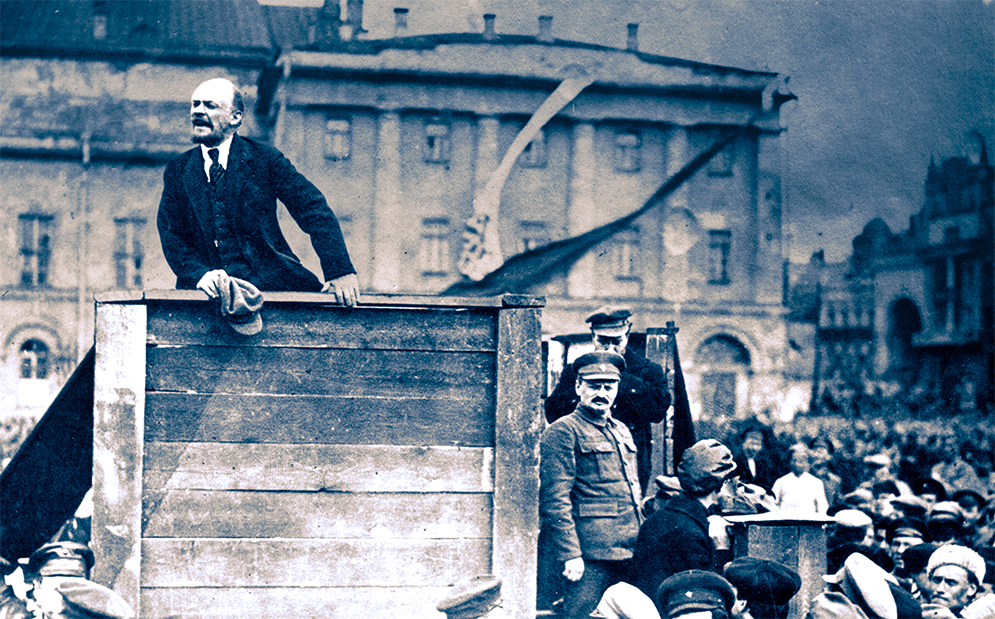
108 years ago today, Lenin and the Bolsheviks achieved the impossible: they led millions of workers and peasants in a successful socialist revolution. But which events, struggles, and ideas led to that victory? How did Lenin become Lenin?
The Bolshevik party was the only party in history which was able to lead the working class in a successful socialist revolution. In this episode, leading RCP member Rob Sewell explains how Lenin built this force, and the lessons to guide us in the struggle for revolution today.
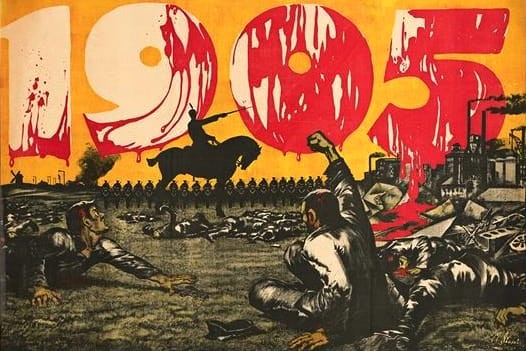
This week marked 120 years since the Bloody Sunday massacre, in which Tsar Nicholas II massacred workers peacefully delivering a petition to his palace. This brutal repression radicalised the masses of Russia, sparking the mighty 1905 Russian Revolution.
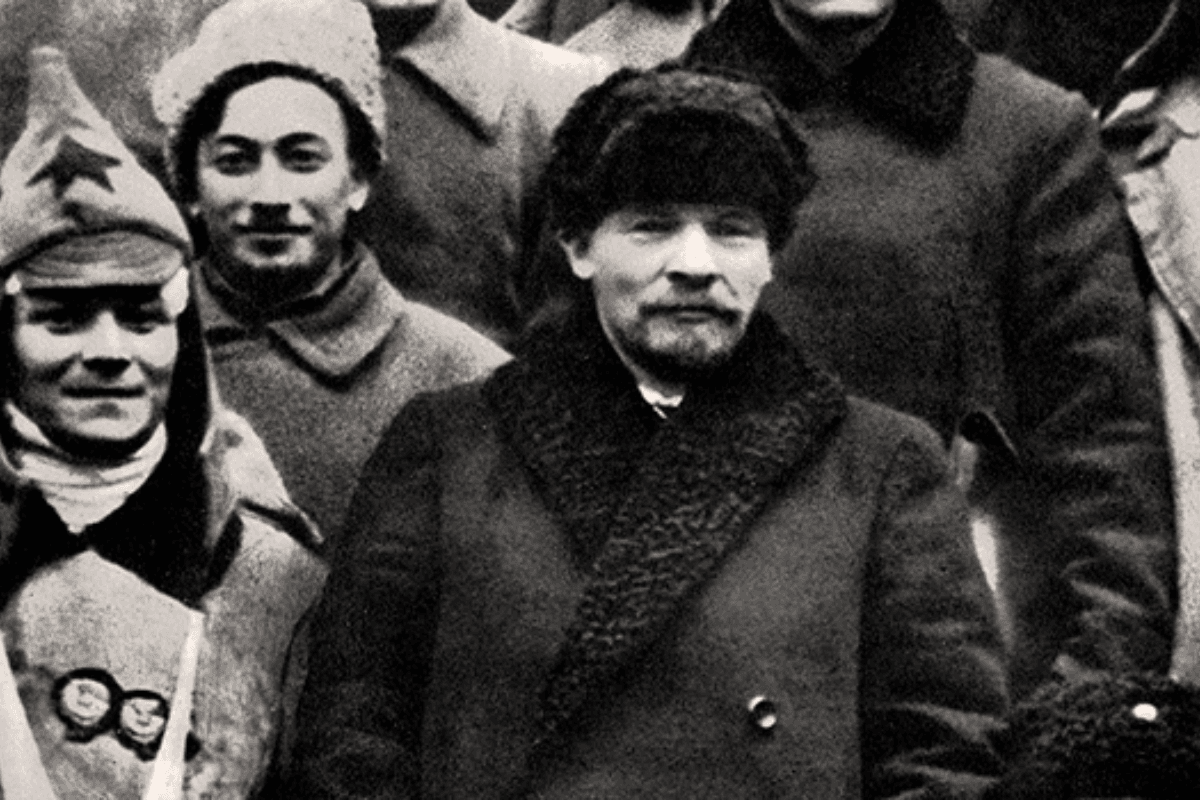
Today is the anniversary of the 1917 October Revolution, which saw the working class seize power for the first time ever. We are republishing a lesser-known article by Lenin, which outlines the theory of permanent revolution in relation to the Russian Revolution.
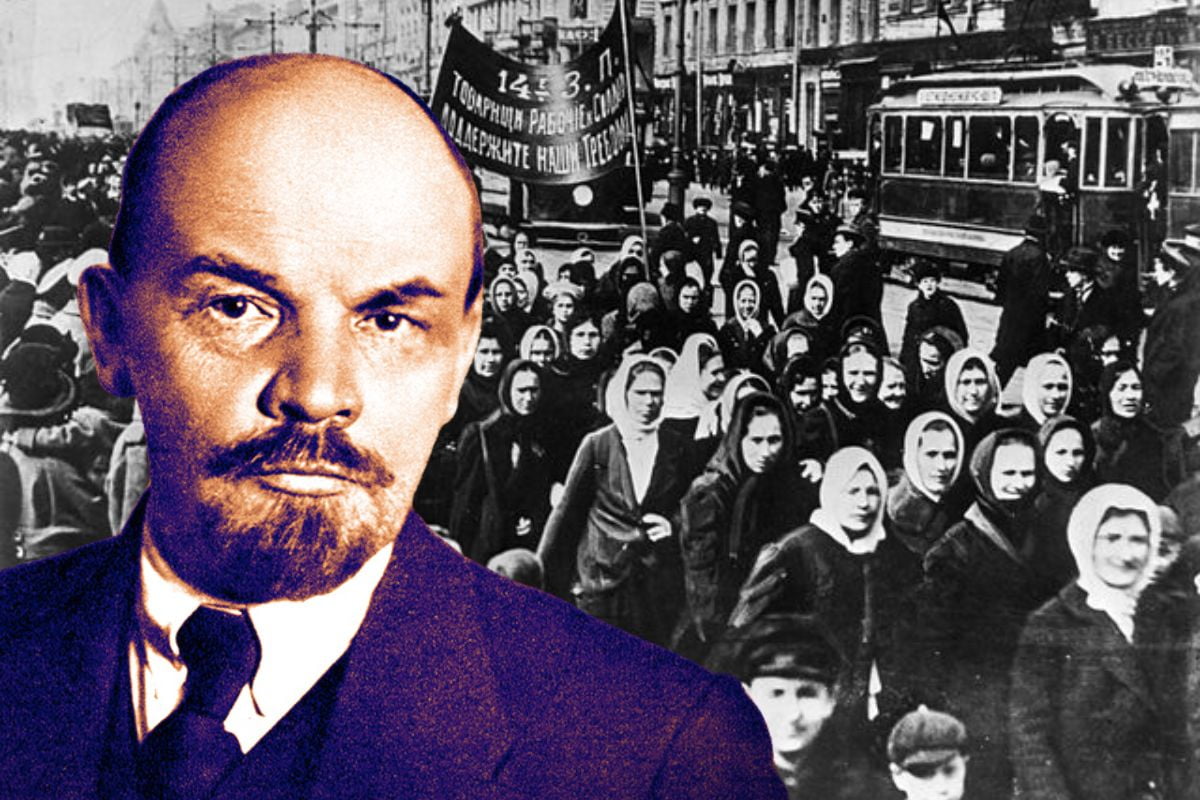
On this day in 1917, Lenin returned to Russia, arriving into Petrograd’s famous Finland Station. This was the beginning of his one-man struggle to politically reorient the Bolshevik Party – a vital stepping stone towards the October Revolution.
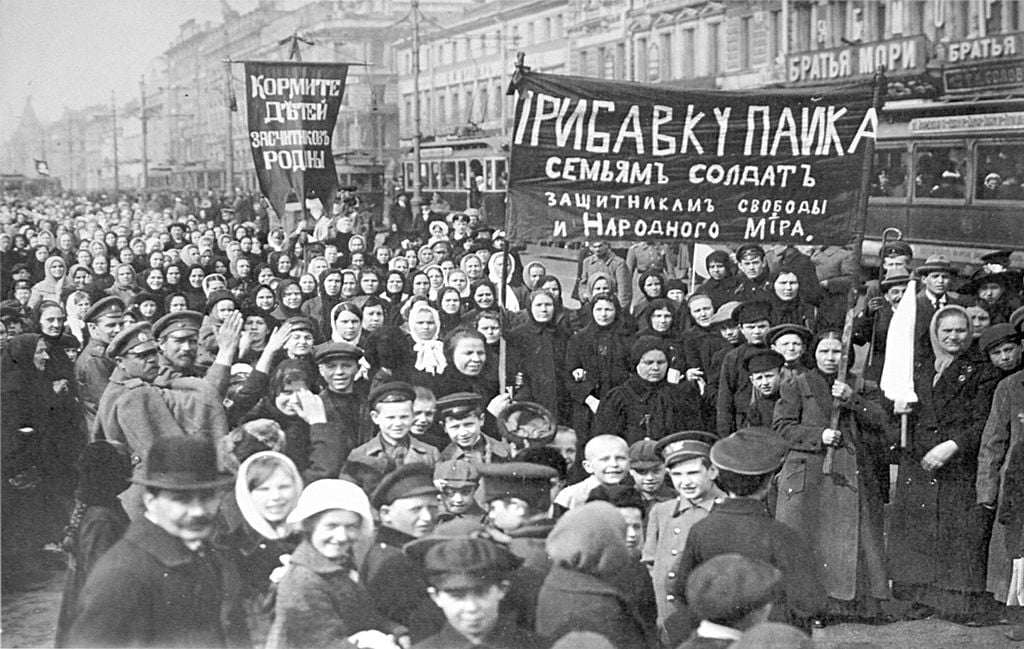
Continuing our series on the life and ideas of Lenin, 100 years after his death, Dylan Thomas explains how Lenin’s emphasis on the need for class independence was pivotal in arming the Bolsheviks for leading the working class to power in 1917.
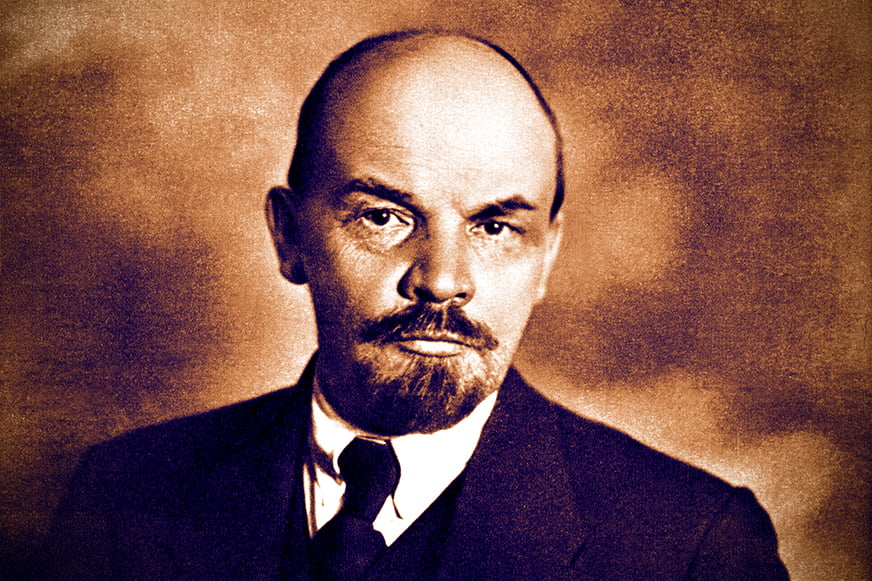
We publish here the editorial from the latest – Lenin themed – issue of our quarterly theoretical magazine, ‘In Defence of Marxism’, in which Rob Sewell discusses the life and ideas of the great revolutionary leader, a century after his death.
100 years after his death, there are many so-called ‘Marxists’ who lay claim to Lenin’s name and legacy, whilst defending policies and methods that would be anathema to the great revolutionary. We base ourselves on genuine communist traditions.
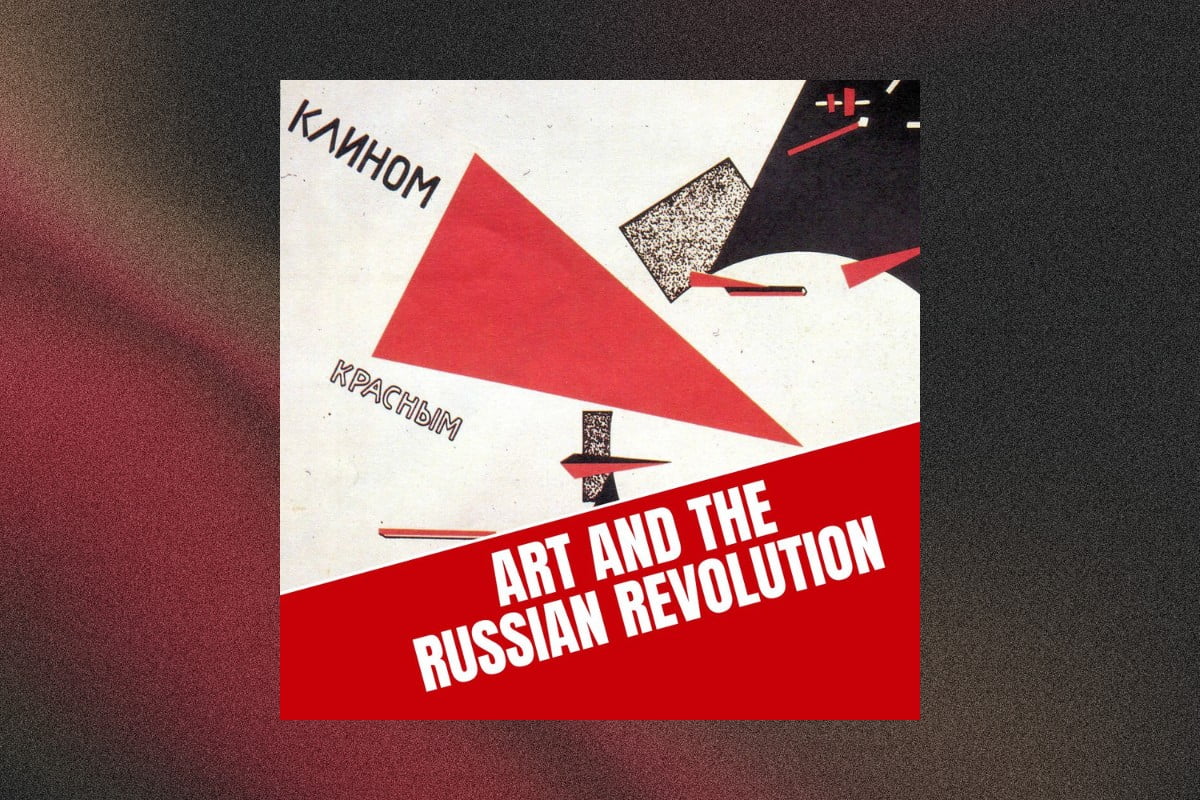
In this podcast, Nelson Wan discusses the artistic and creative emancipation unleashed by the October Revolution, which saw individual geniuses rise to prominence, and gave ordinary people access to the world of art and culture.
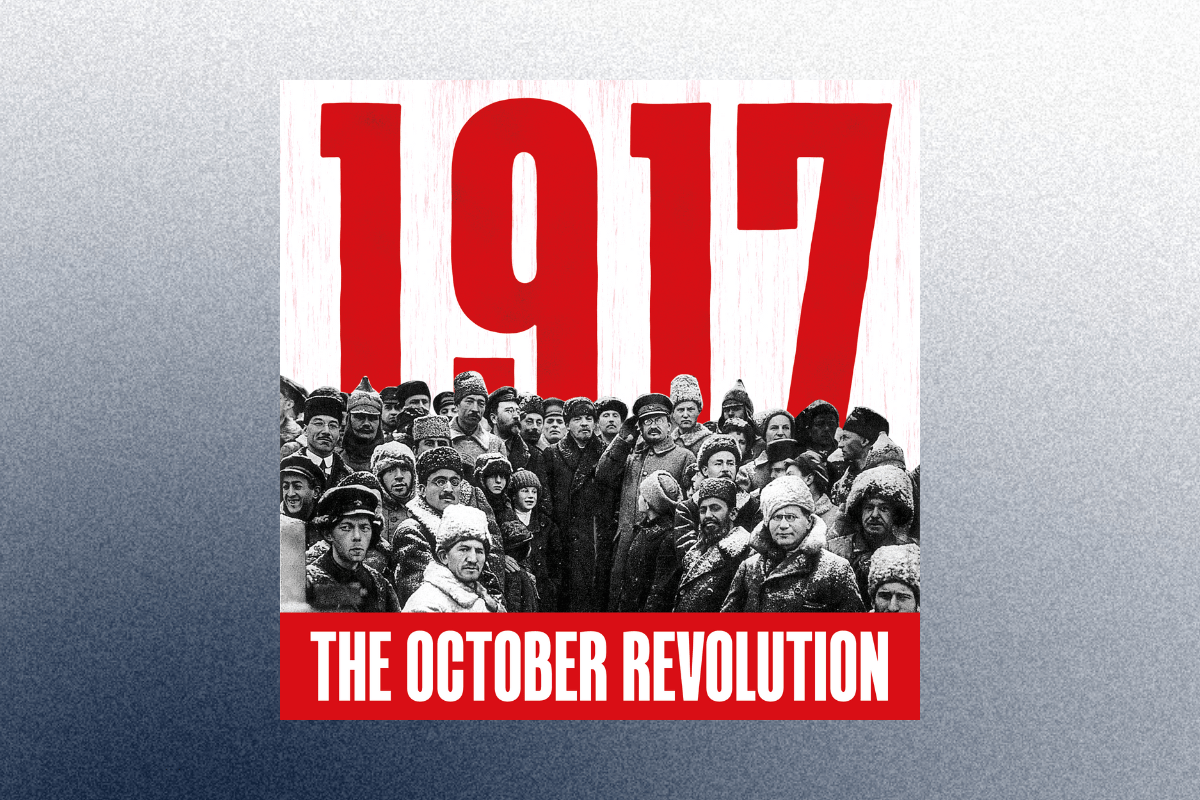
In this podcast series, Alan Woods takes us through the key events of the 1917 Russian Revolution. In the final episode of the 1917 series, Alan Woods discusses the October Revolution, when the workers and peasants of Russia seized power.
Today marks the 106th anniversary of the Bolshevik Revolution of 1917, when the working class seized power in Russia. To celebrate this magnificent historic event, we invite you to listen to the IMT’s new podcast: Spectre of Communism.