The Forgotten Mutiny
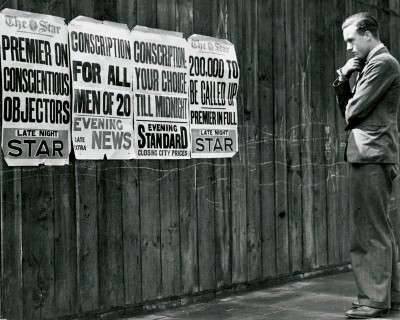
Seventy years on, World War II is remembered. What is forgotten was the largest mutiny amongst the British armed forces that heralded its end.

Marxists must study the history of the class struggle, so that we can apply the lessons in the struggle for communism today. Here, you can find our most recent historical articles. For theoretical articles, click here.
You can also visit our education hub to find a selection of articles, books, talks and reading guides.
Seventy years on, World War II is remembered. What is forgotten was the largest mutiny amongst the British armed forces that heralded its end.
Ninety years ago, on the morning of 13th March 1920, a brigade of
soldiers marched into Berlin and declared the German government of the
Social Democrats to be overthrown. Not a shot was fired by any side and
the response of the leaders of the government was simply to flee. The
very forces which the Social Democrats had place so much trust in had
turned against them. The Kapp Putsch, as it has become known as, was
challenged instead by the workers.
Ninety years ago, on the morning of 13th March 1920, a brigade of
soldiers marched into Berlin and declared the German government of the
Social Democrats to be overthrown. Not a shot was fired by any side and
the response of the leaders of the government was simply to flee. The
very forces which the Social Democrats had place so much trust in had
turned against them. The Kapp Putsch, as it has become known as, was
challenged instead by the workers.
Over the last 40 years we have had two periods of Tory rule; one was
Thatcher and Major’s period in office from 1979 to 1997. But there was
another period between 1970 and February 1974 when Ted Heath was
installed in Downing Street. The Tory attempts to attack the working
class and attack the workers’ organisations rebounded badly then.
Should Labour lose the next election, it’s clear that an incoming Tory
government would be a government of crisis. An industrial and, at a
later stage, a political response to their attacks from the working
class would be on the cards.
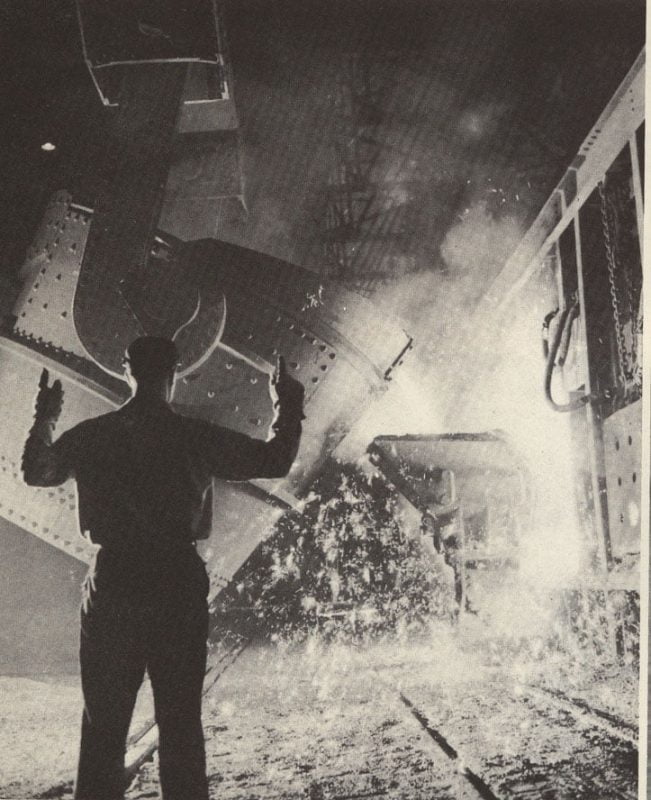
1980 saw the steelworkers become one of the first group of workers to
take on the new Thatcher Tory government, which had been elected in
1979. A union member involved at the time looks back at the action
which marked the start of the new decade.
Today we mark the 20th anniversary of the fall of the Berlin Wall by publishing an article from the current edition of Socialist Appeal which analyses why the events of 1989 have not had the outcome which the West expected. You can also download an audio file on the subject by clicking here .
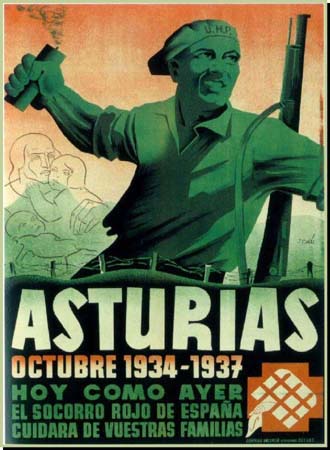
Yesterday (Monday 5th Oct) marked the
75th anniversary of the
Asturian Commune. The mining and industrial region of Asturias in Spain
witnessed one of the key revolutions of the 20th century. We want to
bring to the attention of our readers an article by Ramon Samblas
written in 2004 for the www.marxist.com website and Socialist Appeal.
September 3rd: 70 years ago today the United Kingdom declared war on fascist Germany, so marking the start of World War Two. In an article written at the time, Ted Grant summarised what was now in store for the masses of Europe and beyond: ‘Millions, tens of millions, will be killed in the insane
slaughter, whole cities and countries will be devastated,…
Famine and disease will sweep over all Europe. The flower of European
manhood will be exterminating one another. And for what?’ To mark this anniversary we are reproducing Ted’s article from 1939 in full.
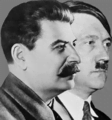
Seventy years ago this month, the world was shocked by the
Stalin-Hitler pact. Ben Peck looks back at what happened and explains
why such an incredible event could take place – and the price that was
paid.
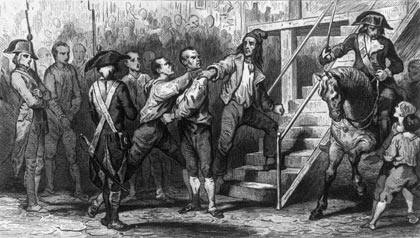
Here is part two of Alan Wood’s article on the history of the French Revolution, first published in 1989 to mark the 200th anniversary of the storming of the Bastille

The following letter from a Socialist Appeal reader was published in The Times
letters page for May 5th as part of a series of responses to an article
on Thatcher’s legacy in a previous issue of the newspaper. We are
reproducing it here for those who missed it.
In 1919, the workers of Limerick undertook a two-week long general strike, in which a strike committee or ‘soviet’ made steps to establish workers’ control. However, due to the betrayals of the reformist labour leaders and petty bourgeois nationalists, this inspiring episode proved to be short-lived.