The Revolution Betrayed: a Marxist masterpiece
Continuing our commemoration marking the 75th anniversary of the death of Leon Trotsky, we publish here an introduction by Alan Woods to Trotsky’s masterpiece: the Revolution Betrayed.
Marxists must study the history of the class struggle, so that we can apply the lessons in the struggle for communism today. Here, you can find our most recent historical articles. For theoretical articles, click here.
You can also visit our education hub to find a selection of articles, books, talks and reading guides.
Continuing our commemoration marking the 75th anniversary of the death of Leon Trotsky, we publish here an introduction by Alan Woods to Trotsky’s masterpiece: the Revolution Betrayed.
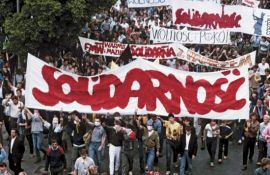
We publish here the introduction to a new pamphlet, produced by supporters of the International Marxist Tendency in Scotland, which looks at the inspiring history of the class struggle in Poland. With a large number of Polish workers in Britain, it is important for the labour movement to reach out to these workers and organise them in a united fight against capitalism.
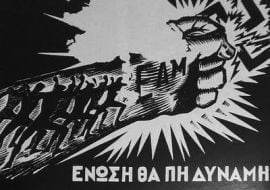
In the second part of his analysis on the Greek Revolution and Civil War, Arturo Rodriguez examines the role of British imperialism and of the Stalinist leadership of the Communists. Written before the recent capitulation of the Syriza leadership to the demands of the Troika, Arturo looks at the tasks facing revolutionaries in Greece today.
Arturo Rodriguez of the Oxford Marxists looks back at the events surrounding the Battle of Athens, one of the most dramatic episodes of the Greek Revolution and Civil War over 70 years ago. With Greece once again in the midst of revolutionary developments, we analyse the lessons of 1944.
We are publishing here the introduction by Alan Woods to Felix Morrow’s Marxist classic Revolution and Counter-Revolution in Spain, which provides a brief analysis of the reasons for the defeat of the Spanish Revolution of 1931-37, while also drawing the lessons for today.
Alan Woods looks at the Battle of Waterloo – fought 200 years ago, on 18th June 1815: the last major event that marked the end of the historical process begun in 1789 by the Great French Revolution. With the defeat of Napoleon, the last flickering embers of the fires lit by revolutionary France were extinguished. The forces of triumphant reaction seemed firmly in the saddle.
In the latest part of his series on World War One, Alan Woods examines the policies of the Great Powers in relation to the smaller nations, such as Greece, Turkey, and Romania, who were used as mere pawns by the imperialists in their murderous game of chess for markets and spheres of influence.
Somebody once said to Lenin that war is terrible, to which he replied: “yes, terribly profitable”. Alan Woods continues his series on the First World War by looking at the role of the USA, which played the role of chief usurer and quartermaster to the European belligerents.
Alan Woods continues his series on the First World War, analysing the role of the smaller powers who did not initially take sides. While the armies of the Great Powers were busy slaughtering each other, their weaker brethren were watching with keen anticipation from the sidelines.
In the latest part in his series on the First World War, Alan Woods examines the role of the Ottoman Empire, which joined the “Great War” on the side of the Germans. The British attempted to fight a campaign in Turkey, but were forced to retreat with their tail between their legs. Nevertheless, the old Ottoman Empire was carved up between Britain and France after the war.
Continuing his series on the First World War, Alan Woods examines the battles between Germany and Tsarist Russia on the eastern front, which ended in bloody defeat for the Russians and, in turn, paved the way for the radicalisation and revolutionary events of 1917.
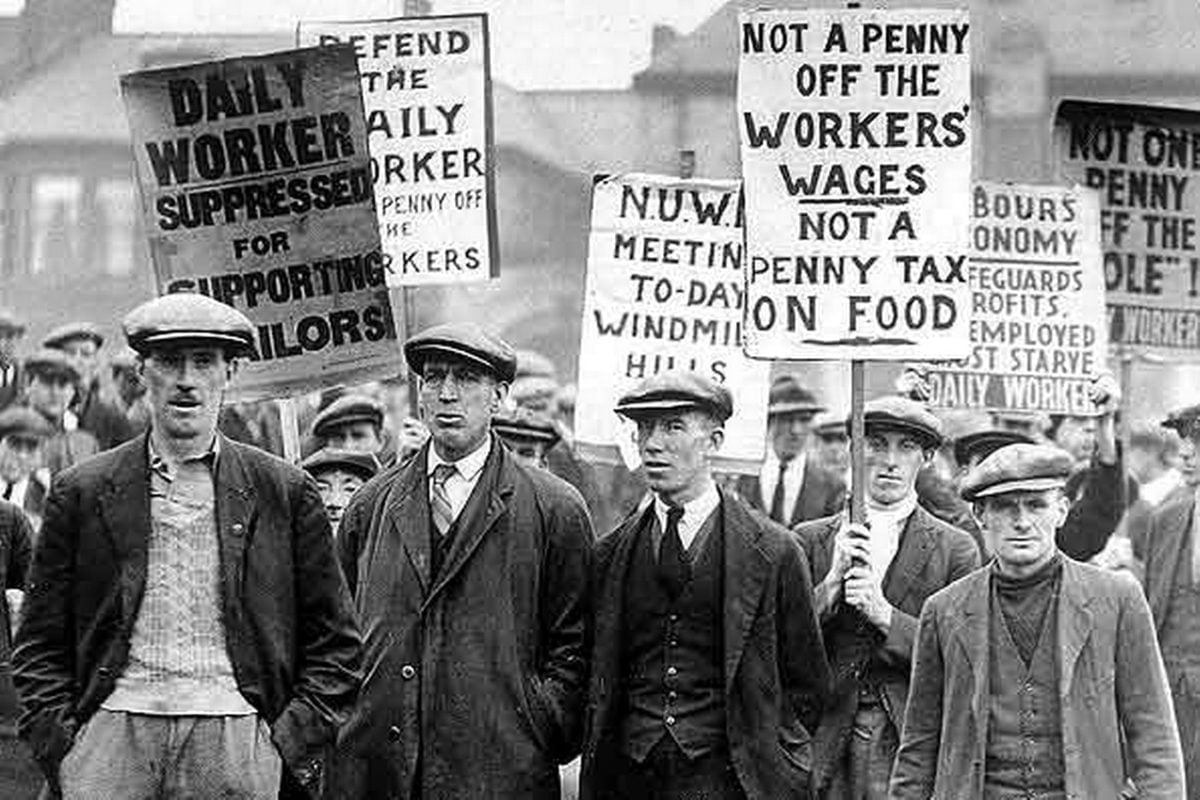
On 3rd March 1985, Arthur Scargill, leader of the National Union of Minerworkers, announced the end of the Great Miners’ Strike, which began almost exactly one year earlier. Miners returned to work two days later on 5th March 1985. John Dunn from the Justice for Mineworkers campaign looks back at the legacy of the Great Miners’ Strike of 1984-85.