Lessons from the SDP split
The recent creation of The Independent Group in Parliament echoes that of the Social Democratic Party in the 1980s. The left must learn from these events and avoid the mistakes of the past.

Marxists must study the history of the class struggle, so that we can apply the lessons in the struggle for communism today. Here, you can find our most recent historical articles. For theoretical articles, click here.
You can also visit our education hub to find a selection of articles, books, talks and reading guides.

The recent creation of The Independent Group in Parliament echoes that of the Social Democratic Party in the 1980s. The left must learn from these events and avoid the mistakes of the past.
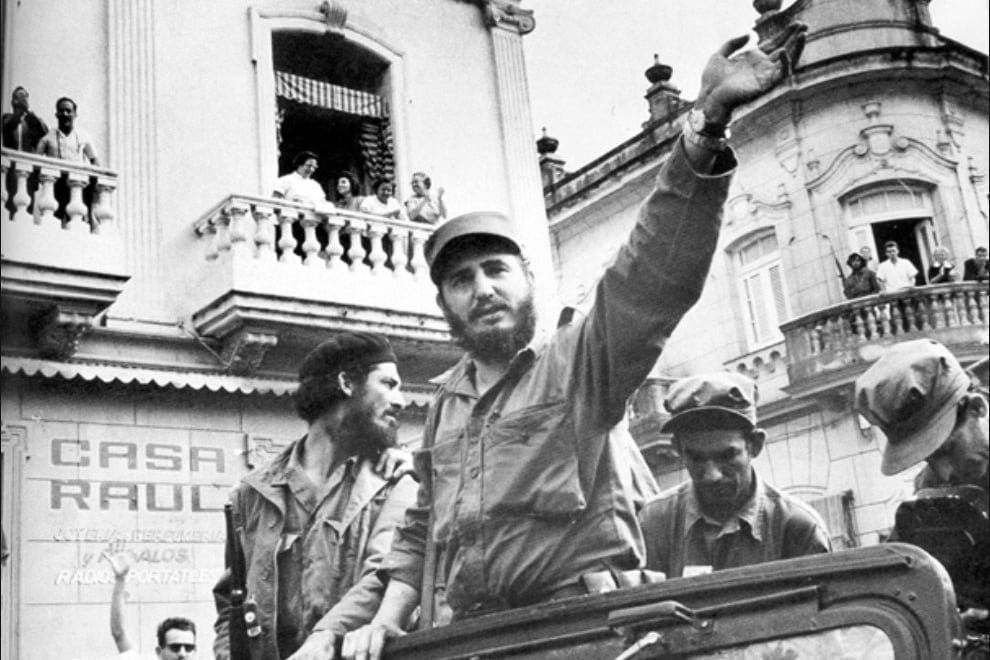
This week marks the 60th anniversary of the Cuban Revolution. To mark this, we republish here an analysis by Jorge Martin, explaining how the revolution came about – and where it is heading today.
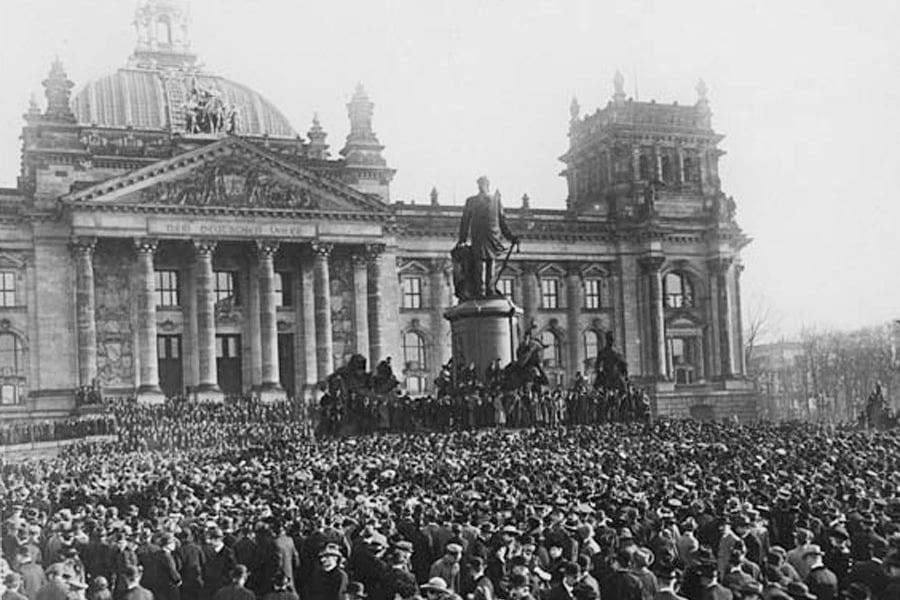
100 years ago, revolution broke out across Germany, bringing the horrors of WWI to an end. To mark this centenary anniversary, we publish here an extract from Rob Sewell’s new book, “Germany 1918 – 1933: Socialism or Barbarism”
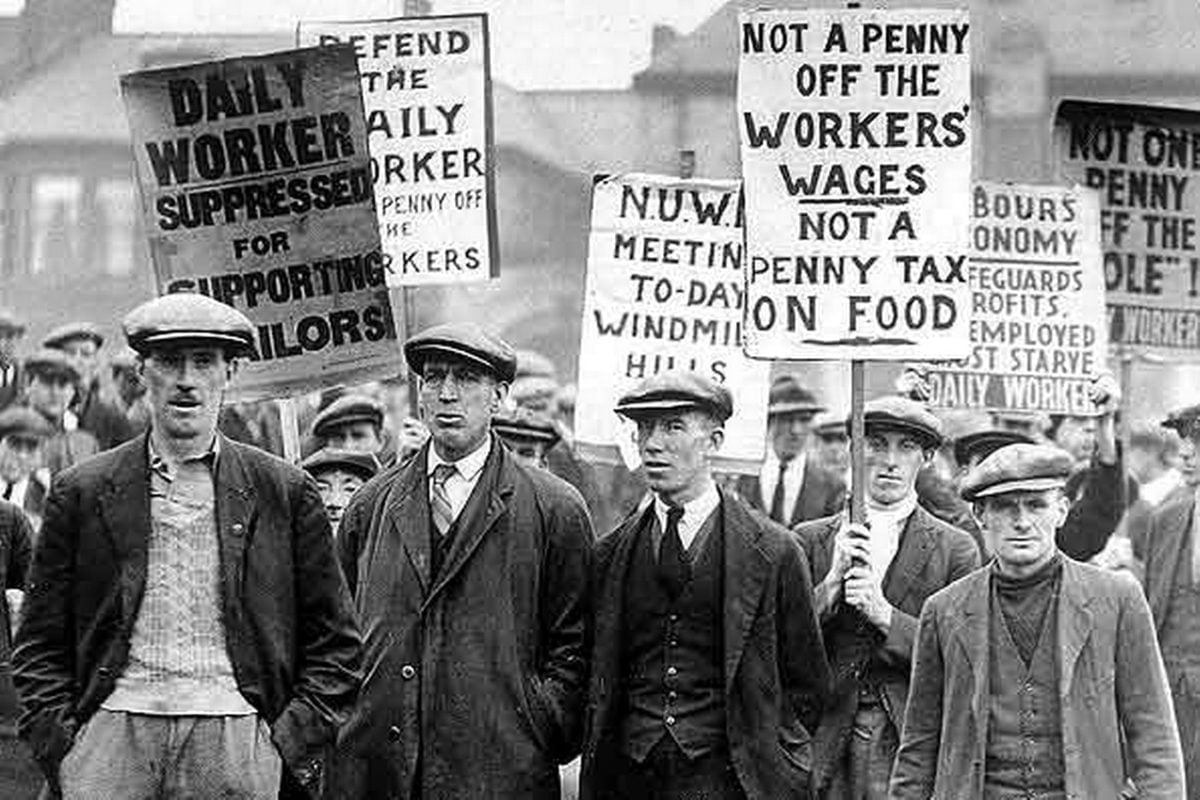
The recent call from a Labour MP for a general strike to topple the Tories found a big echo amongst workers. We need to examine the lessons from this important episode in the history of the British labour movement.

50 years ago, the Democratic National Convention in Chicago was the scene for chaos and mayhem, as the full force of the state was employed against anti-war protestors. These events had a profound impact on consciousness.

50 years ago, USSR-backed tanks rolled into Czechoslovakia to crush the Prague Spring. But could the movement have been successful?
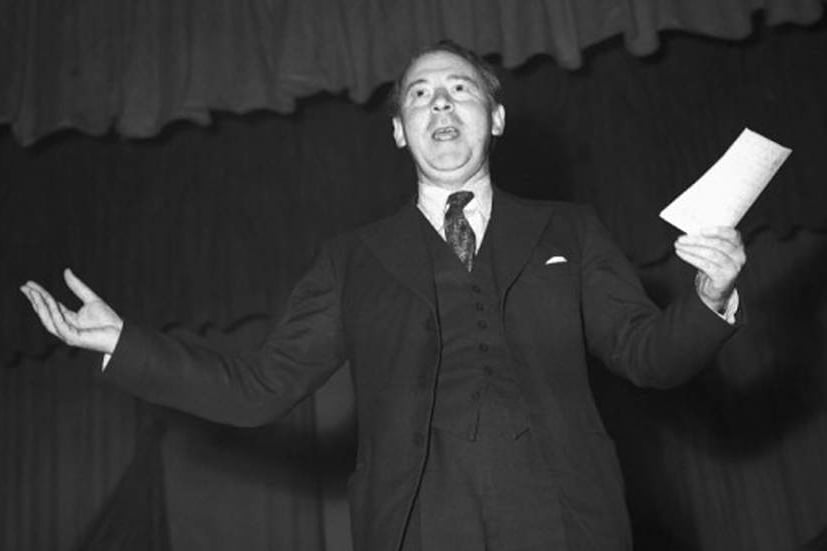
Before Blair, there were previous attempts to steer Labour away from its socialist aims. The time is right today to restore Clause IV.
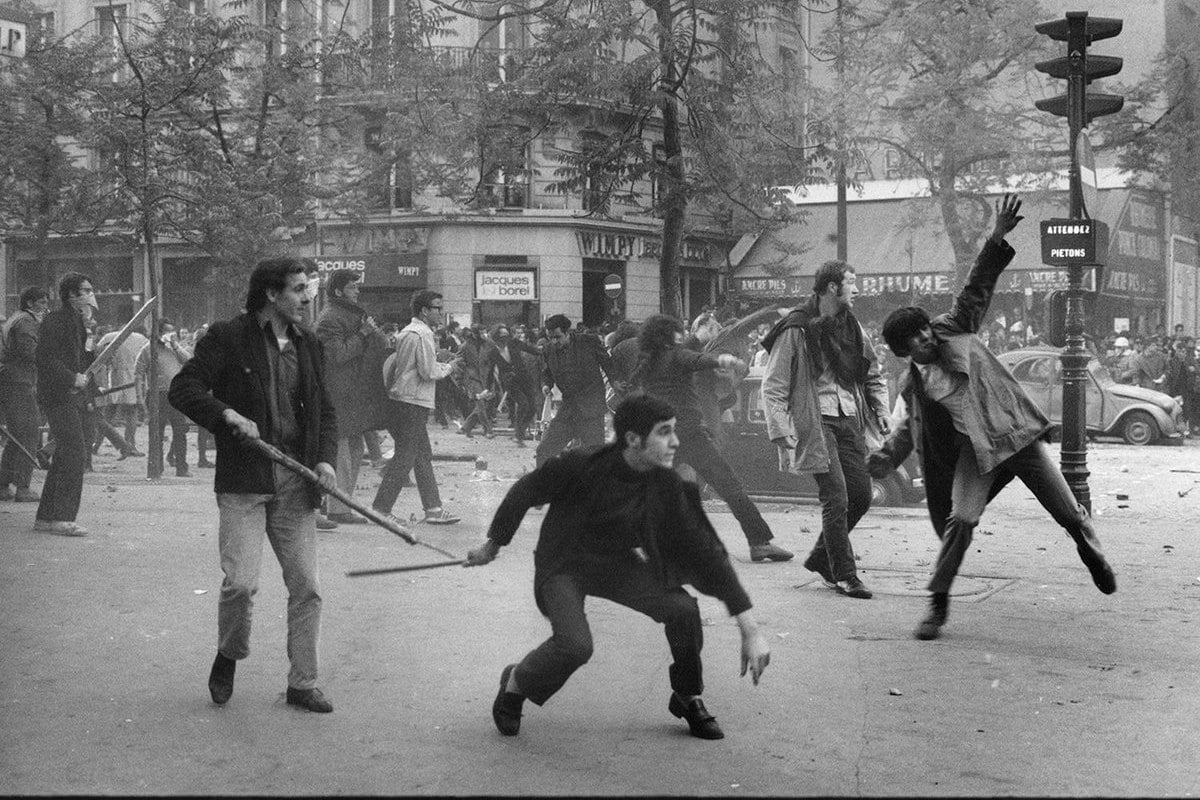
50 years ago, the workers and students of France shook society. Alan Woods looks at the revolutionary events of May 68.
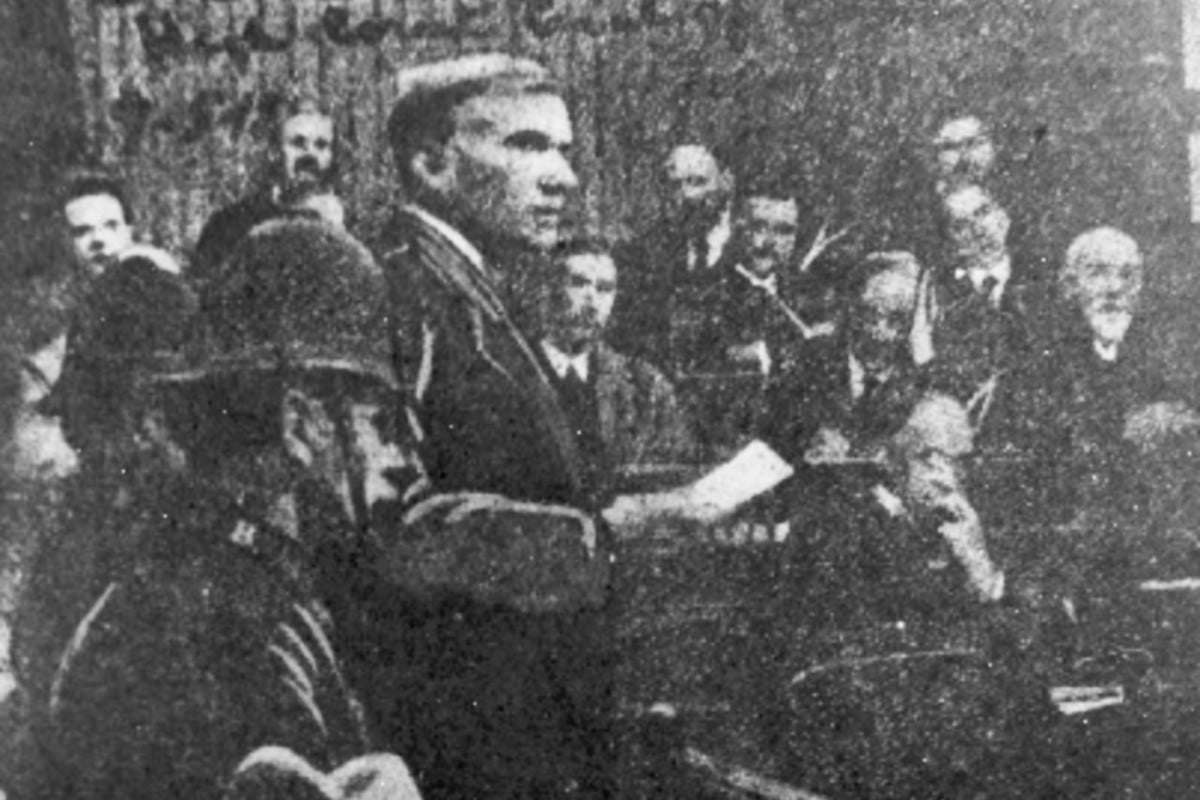
John Maclean was an outstanding communist agitator – as demonstrated by the defence he gave at his trial a century ago.
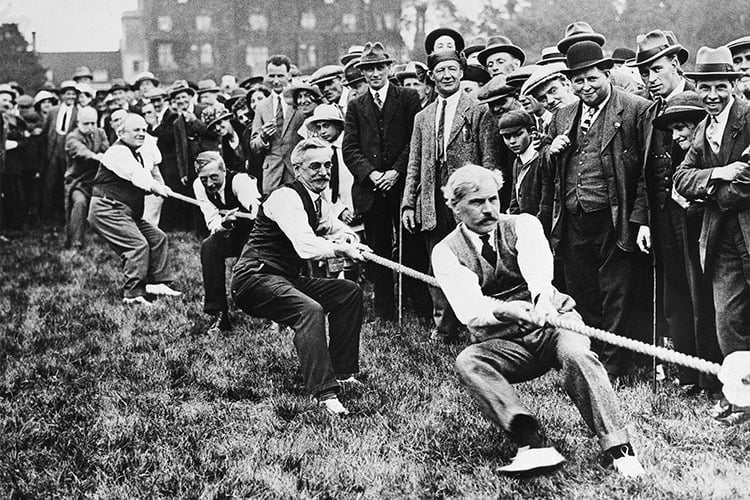
We republish here an important article from 1976, in which Rob Jones looks back and examines the lessons from the Labour Party’s history. With the prospect of a Corbyn government on the horizon, those lessons remain valid today.
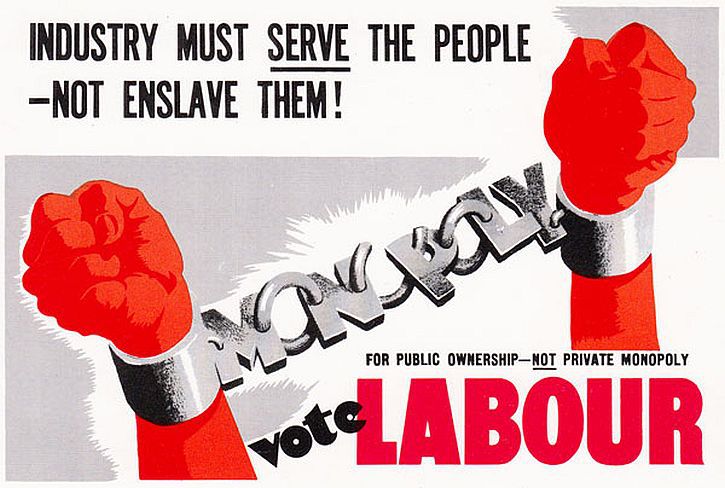
Today, 27th February, marks the 100th anniversary of the adoption of a socialist constitution by the Labour Party. Steve Brown looks at Clause 4, its history, and the ongoing struggle to create a genuinely socialist Labour Party.

Steve Jones reviews “Entitled: a critical history of the British aristocracy”, a new book about the English upper class. The monarchy and lords are reactionary and undemocratic institutions. It is time they were swept into the dustbin of history.