NOV 30: Reports and pictures
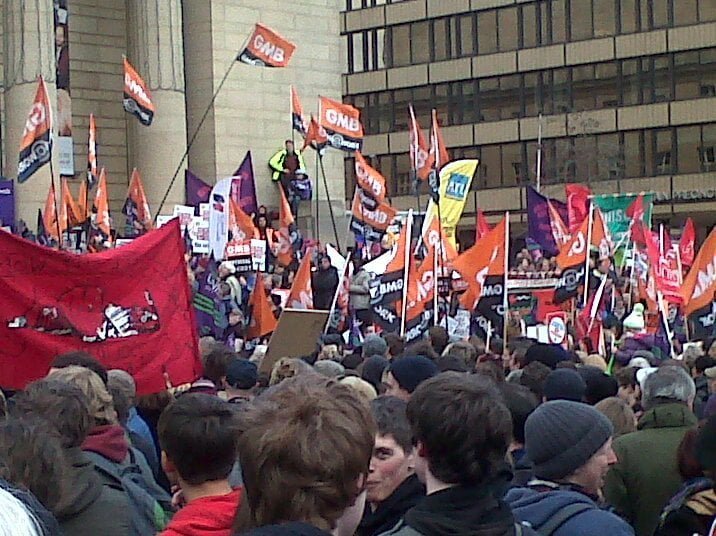
Here are some links to pictures and reports of the Nov 30th Day of Action.

The latest news, analysis, and Marxist theory from The Communist, alongside reports of RCP activity.
Here are some links to pictures and reports of the Nov 30th Day of Action.
The recent Scottish Labour Leadership contest saw the
election of former deputy leader Johann Lamont to the role. With the
endorsement of most MPs, MSPs and trade unions, she was the clear choice
of the party leadership, and won with 51% of first preference votes.
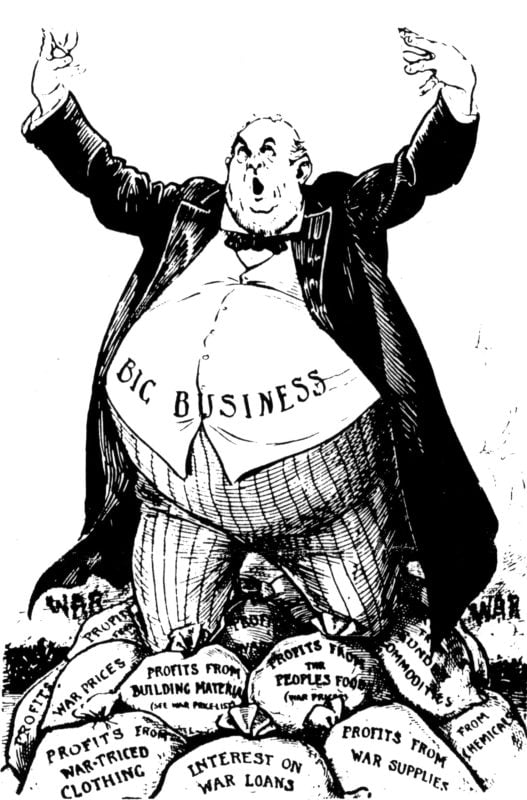
“We’re all in it together” is the constant message from the government.
Yet the reality is very different. Workers are facing pay freezes or
even cuts, those in need are seeing benefits cut back and services shut
down, prices are rising month on month. Unemployment continues to go up
with women and youth being hit particularly hard. Every survey indicates
that job prospects for the coming year are grim, not least due to the
continued job losses in the public sector.
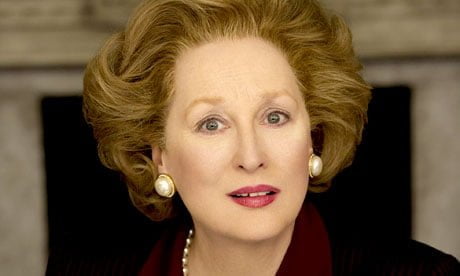
Margaret Thatcher is a hate figure for millions in Britain who suffered
under 13 years of her rule. We, who opposed Thatcherism to the bitter
end, will never forget the mass unemployment, the cuts, wholesale
privatisation and the attacks on the trade unions as well as our
democratic rights.
Working people are facing the biggest attack on their living standards
for generations. They are being presented with a bill for a crisis not
of their making. In the meantime, millionaire bankers and financiers
have gotten away with murder.

The Scottish National Party’s (SNP) landslide victory in the 2011 Scottish parliamentary election was exceptional under an electoral system designed to prevent majority governments. It was one of the most important events in Scottish politics in recent years. This win was on the back of the Nationalist’s rule as a minority government since 2007. In the most recent elections the SNP gained seats in Glasgow, Fife and Renfrewshire, all long-considered Labour strongholds. The question of why this happened is important in understanding the impact on classroom sizes discussed in this article.

Today, Saturday, 17th December, marks
the first anniversary of the Arab Revolution. On this day, one year
ago, Mohammad Bouazizi, a young Tunisian fruit vendor, driven by
desperation, poverty, and anger, set himself on fire in the city of Sidi
Bouzid. The revolutionary wildfire that began after his death — first
in southern Tunisia, then the entire country, then erupting across the
entire Arab-speaking world—marked a turning point in human history
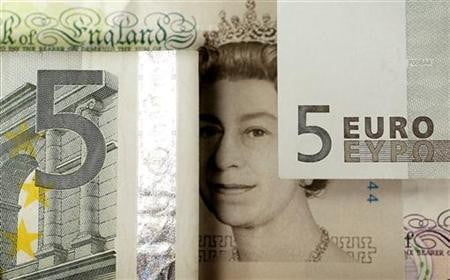
The latest “decisive” EU
summit-to-end-all-EU-summits-and-fix-the-Eurozone-crisis-once-and-for-all
has signally failed to do so – just like all the previous “decisive”
and “final” summits. As in previous meetings, within days the results
were declared completely unsatisfactory by the markets. These gatherings
of EU heads of state are now a thoroughly debased currency. Nothing has
changed except that the national contradictions are sharper and more
insoluble than previously thought.
In the recent period, the so-called
Tea Party movement has laid claim to the legacy of the American
Revolution. With their tri-corner hats and abstract appeals to
patriotism and freedom, they have seized headlines, aided by generous
coverage by the corporate media. This has led to tremendous confusion
when it comes to the real class roots of this world-shaking event.
Unfortunately, for many Americans, the Revolution has been reduced to a
summer barbecue on the 4th of July, flag-waving, fireworks, and images
of George Washington heroically crossing the Delaware River.
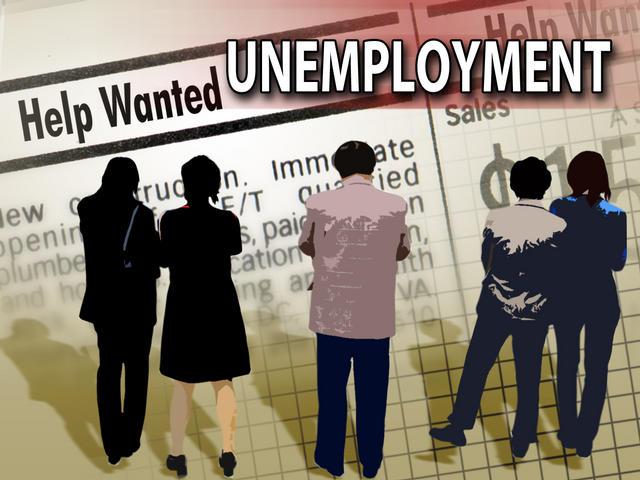
For the last few days Prime Minister Cameron has been full
of himself. Having exercised the veto in Europe, he has been receiving fulsome
praise from ultra-right wing Tories and the gutter press for “standing up to
Europe.” On Wednesday the real world returned with the announcement of shocking
new unemployment figures.
For
the NZ Labour Party the 2011 general election defeat was the worst since
1928. The main factor for this was the historic low turnout as many
workers stayed at home and were not enthused enough by the right-wing
leadership of the Labour Party to go out and vote. The turn out was down
from (what was considered then a low turnout) 79.46% at the 2008
general election to 73.83%. This was the lowest turnout since 1878!
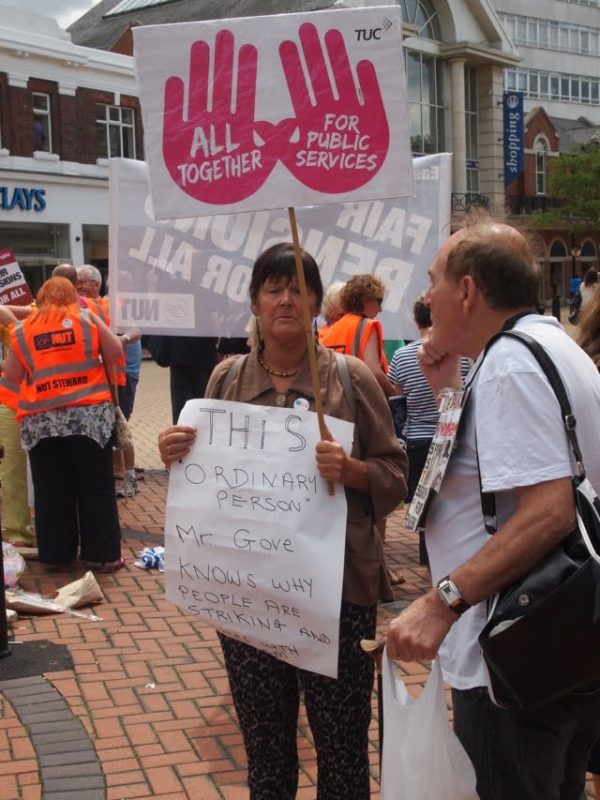
The constant excuse of Cameron and the government for
attacking public sector pensions is that workers in the private sector do not
have access to final salary pensions but have to rely instead on the
fluctuations of the money markets to provide the pension funds with enough
income to give to its members a miserly pension. But it was not so long ago
that the majority of private sector workers had the opportunity to enrol in
final salary schemes. It was only after 1998 that schemes started to close to
new members so that today only 15% of private sector workers are covered by
final salary schemes.