Capitalism and the environment
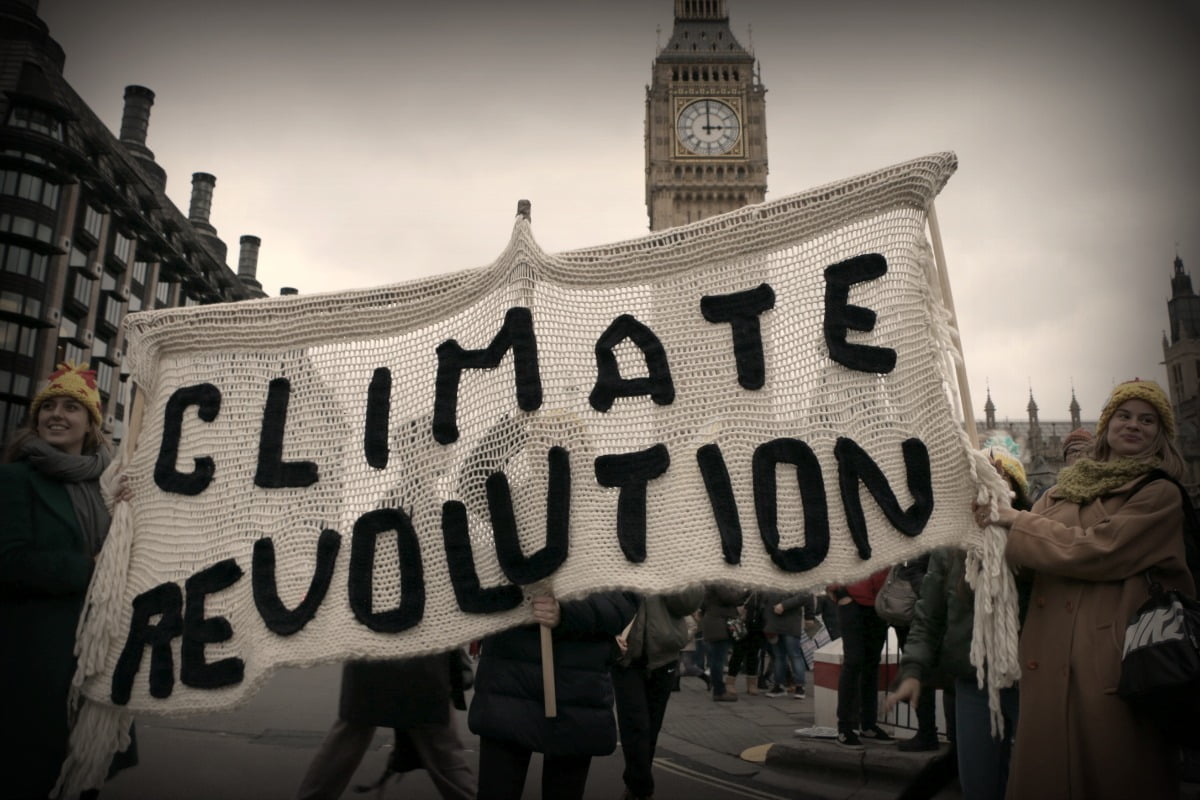
What is the best way to tackle the climate crisis? In this talk, Adam Booth puts forward the Marxist case for revolutionary change to end climate change.
With the planet facing environmental crises, some have sought to bring about change through individual efforts, trying to change the environmental practices of corporations by altering individual purchasing choices. We publish here an article by Kevin Harriman and Kevin Nance of Socialist Appeal USA, who look at the question of consumerism and the environment under capitalism, and explain the socialist alternative.
Across the media, the question of food is consistently raised here in Britain, from the endless programmes about cooking to the constant stream of warnings about malnutrion and obesity. We publish here an article written by John Peterson, editor of Socialist Appeal USA, who discusses the relationship between the food we eat and the capitalist system of production and distribution that we live under.
The past seven months have seen the release of the Fifth Assessment Report by the Intergovernmental Panel on Climate Change (IPCC). The conclusions of the latest IPCC report are unequivocal: climate change is real; its effects will be disastrous; and nothing short of a revolution will do if we are to combat it.
The Food and Agriculture Organisation (FAO) recently released a report that came up with a novel idea: convince the world population to eat insects in order to avert mass hunger. In reality it is already possible to feed everyone without the need to eat bugs. What stands in the way is the “market”, i.e. capitalism.
The development of genetically-modified organisms (GMOs) has opened up whole new possibilities for improving the nutrition of humanity. However, under capitalism, GMOs are being abused by large agro-corporations to maximize shareholders’ profits at the expense of ordinary people around the world. What is a working-class approach to confronting the problems of GMOs and food security?
Capitalism is damaging the very planet we live on. But those affected most by climate change are not those who cause it. The working class and poor across the world once again are forced to pay for the crises that capitalism causes. Rob Dransfield of the Edinburgh Marxists discusses the impacts of capitalism on the environment and the lives of those effected by these changes.
Adam Booth, writer for www.socialist.net, talks about the environmental crisis and its relationship to capitalism, analysing the question from a Marxist perspective. Adam discusses issues such as carbon trading, green economic stimulus, and the role of individual actions in averting climate change, and in contrast presents a socialist solution to the environmental and ecological problems facing society and the planet.
The imperialists are struggling for control of the Arctic. This plundering of resources, accompanied by a huge waste of money on military spending, will not bring prosperity to the peoples of the Arctic.
Just five years ago, not a day would go by without global warming making
the headlines. The American politician Al Gore’s documentary film about
climate change, An Inconvenient Truth, was seen by hundreds of
thousands in cinemas across the world. The Conservative Party rebranded
themselves as the champions of the environment, nailing their ecological
colours to the mast and urging people to ‘vote Blue to go Green’. Even
the arch-reactionary American president George W. Bush was forced to
concede that, maybe, the environment was worth thinking about.
The "red mud" surge in Hungary several days ago, which destroyed houses, ruined land, cost a number of lives and has poluted the Danube – with a second surge being threatened – has shocked people not only in Hungary but throughout Europe and beyond. How did it happen – and who is to blame? The bosses media outlets are being in the main somewhat vague on this – our reporter in Hungary goes behind the scenes.
Much is said in the news about the disastrous situation that now
exists in the Gulf of Mexico as a result of the Deepwater Horizon
explosion. An ecological disaster of gigantic proportions has been
created by the profit motive, which is what drives the BP executives.
However, were the company to be thoroughly unionised, with workers’
representatives controlling every level of safety, this disaster could
have been averted.