Glasgow council workers strike for equality
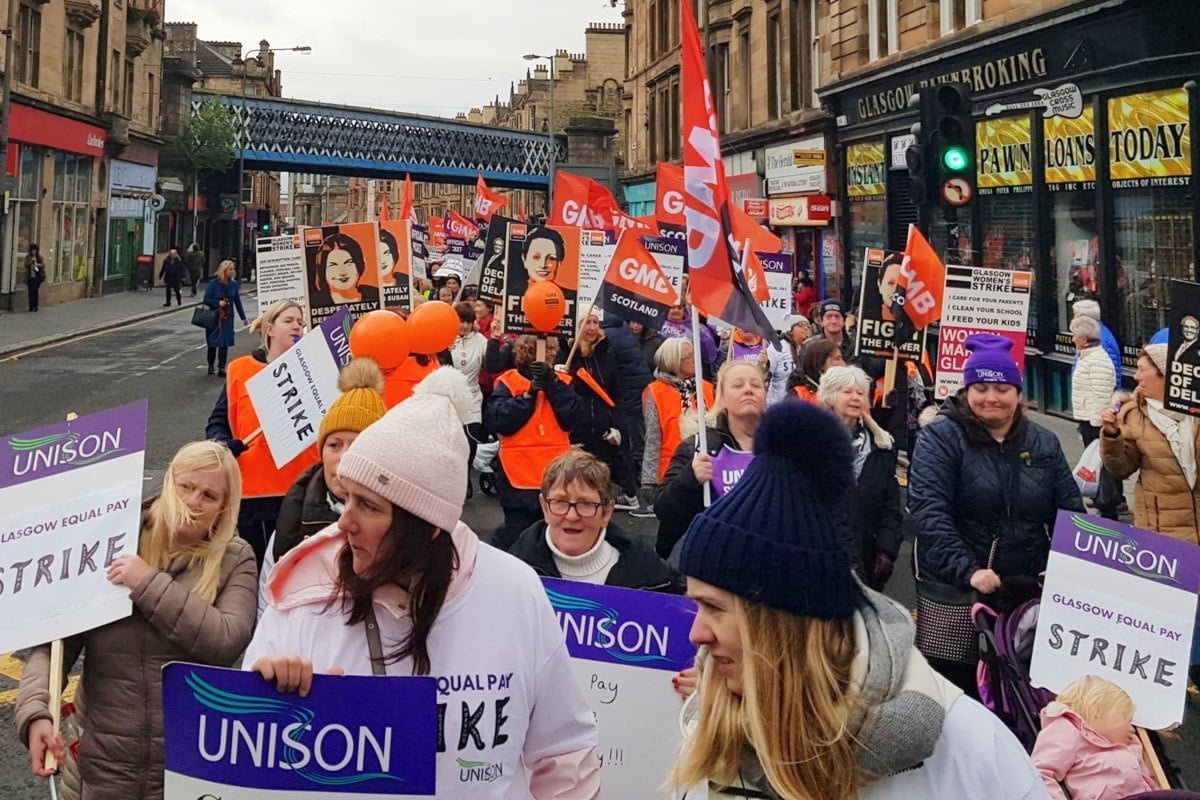
The huge strike action in Glasgow this week highlights the way forward in the fight for fair and decent pay. The labour movement must argue for a socialist alternative to austerity and inequality.
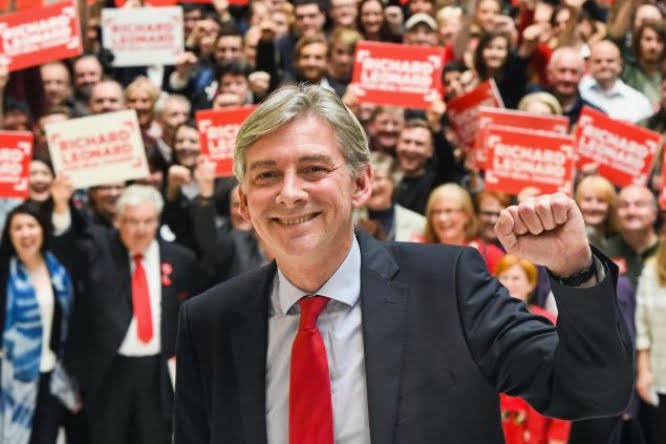
Richard Leonard, the left candidate for Scottish Labour leader, has won a close fought race to succeed Kezia Dugdale. His victory represents the most significant gain for the Left in its struggle to win control of the overall party since Corbyn’s victory itself. Drew Murray reports on the latest victory for the Corbyn movement.
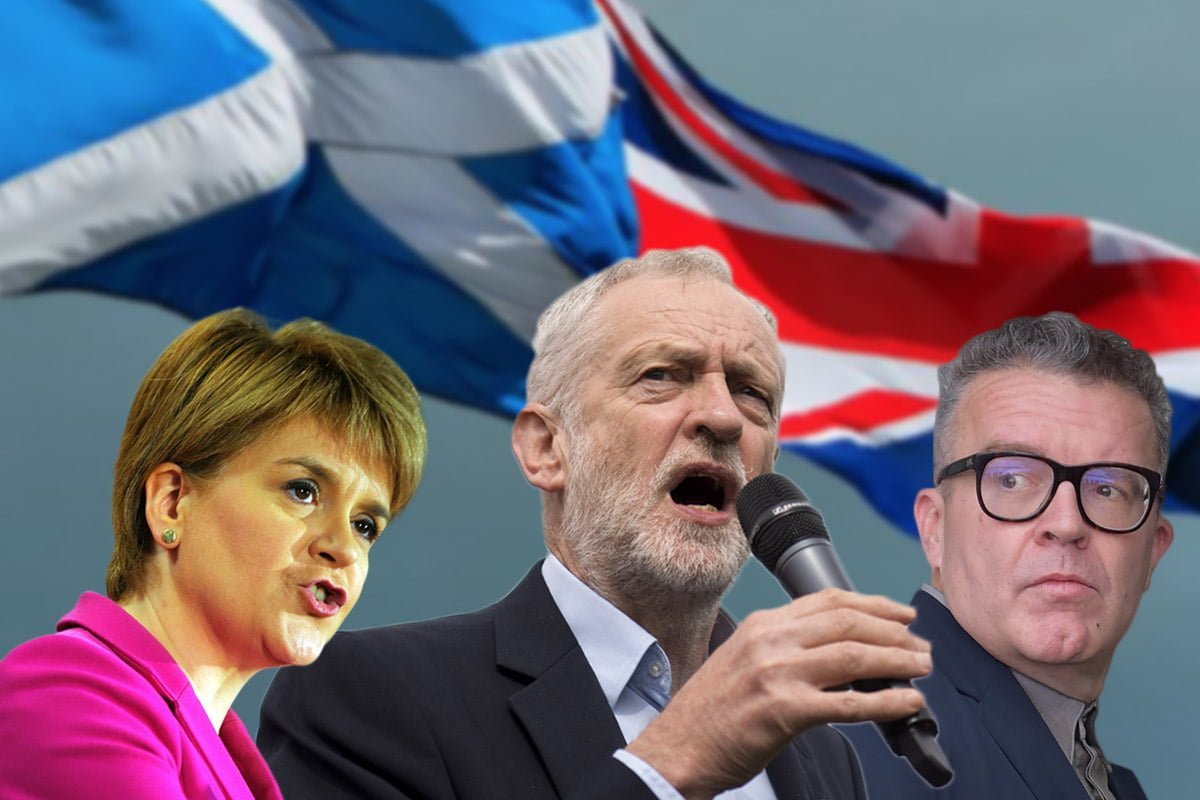
It is clear from the recent election results that the SNP’s honeymoon period is over. The inspiring Corbyn movement has put pressure on the SNP leadership to prove their left-wing credentials. The question of independence, meanwhile, has been complicated by the possibility of an anti-austerity Labour government. What lies ahead for Scotland?
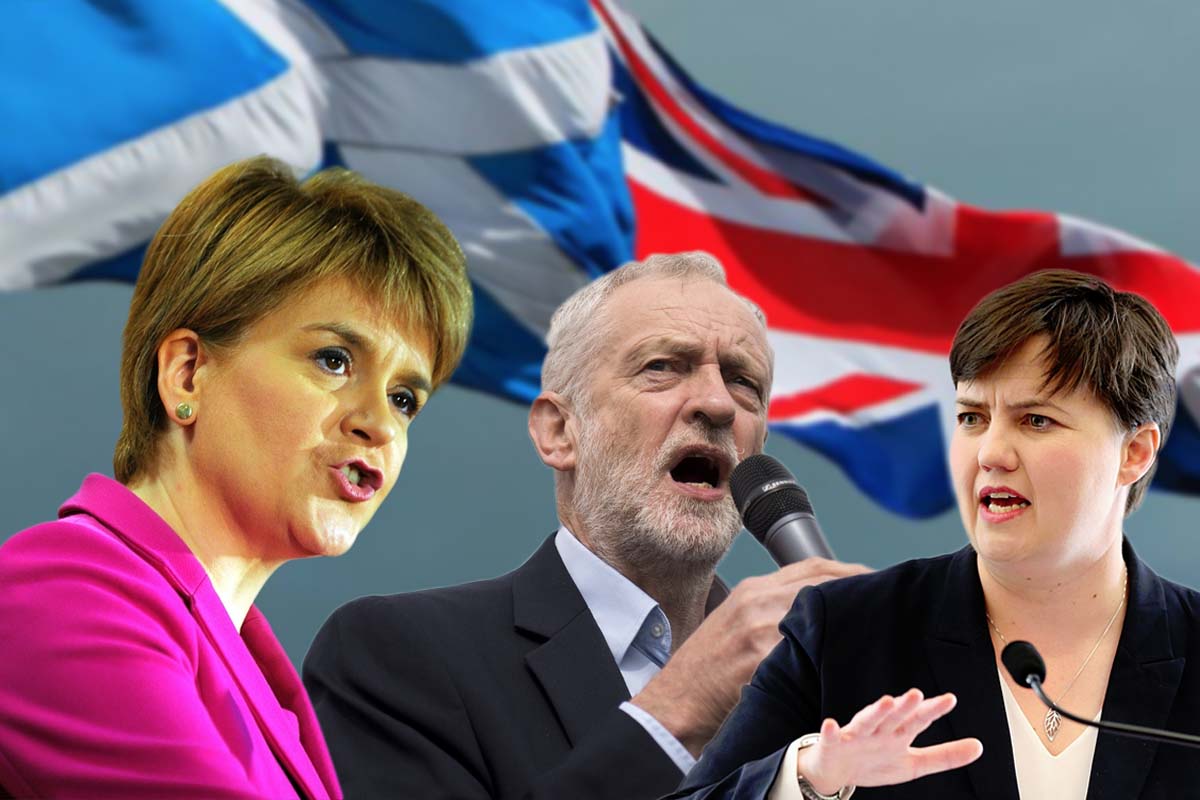
On the back of last week’s election, the SNP still dominate in Scotland, but have taken a major kicking. Key figures such as Alex Salmond have lost their seats. The unionist vote has consolidated around the Tories, whilst Corbyn’s Labour have won over some left-wing workers and youth. The political landscape continues to be transformed.
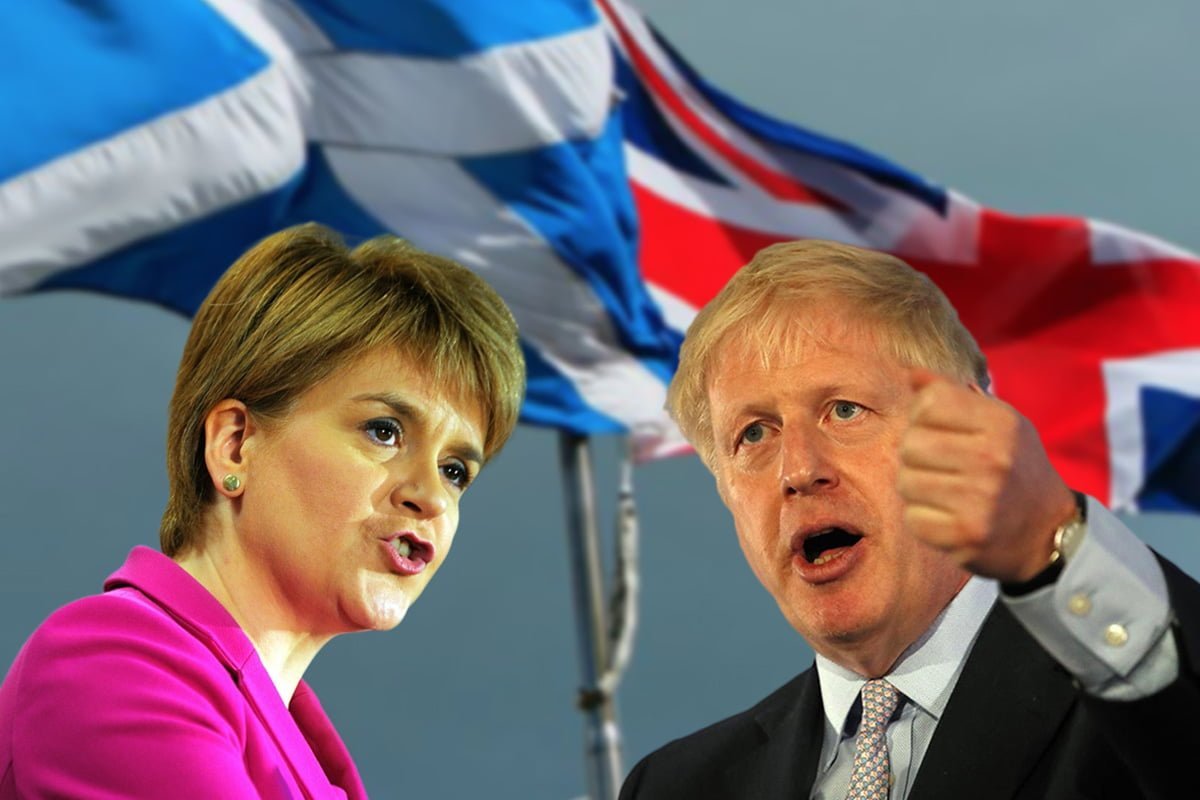
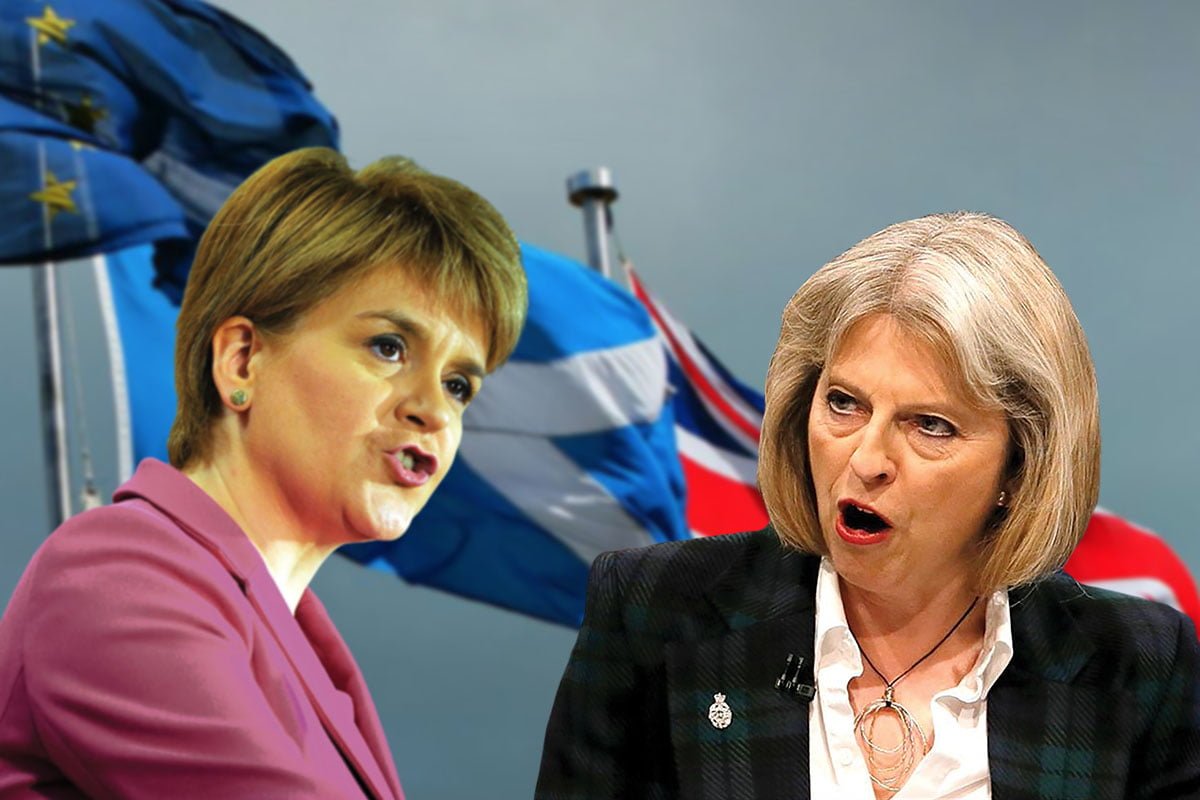
Nicola Sturgeon this week finally delivered the speech that had seemed almost inevitable ever since the Brexit vote in June last year. By announcing her intention to seek a second independence referendum, Sturgeon has started a political storm that will likely rage on – at the very least – until any referendum takes place, and possibly far beyond.
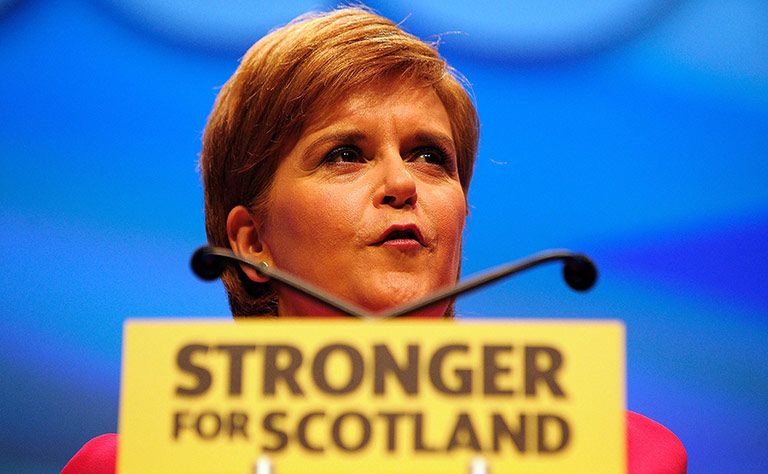
Ross Walker of the Edinburgh Marxists discusses the events of the recent SNP annual party conference, where leader Nicola Sturgeon announced plans for a second referendum on Scottish independence. Beneath the apparent party unity surrounding independence, however, it is clear that strong class contradictions are developing within the SNP.
Last week’s Scottish parliamentary election results demonstrated the continuing dominance of the SNP over Scottish politics. Labour, meanwhile, were pushed into a humiliating third place – squeezed out by the left-wing, pro-independence stance of the SNP on one side, and by the right-wing, Unionist position of the Tories on the other.
The election of Jeremy Corbyn as leader of the Labour Party shocked the establishment, and galvanised socialists, not least in radicalised Scotland. But can Corbyn win back workers and youth – who have abandoned Labour for the SNP – in Scotland?
Alongside the shock of a Tory majority, the other big story of the General Election results was that of Labour’s collapse in Scotland to the SNP. With the Nationalists very nearly sweeping the board with 56 out of 59 seats, the result constitutes an earthquake that will transform politics in Scotland and Britain for years to come.
With just one week to go till the British General Election, polling in Scotland, and the SNP in particular, has been at the forefront of reporting. Polls have shown that rather than Labour closing the gap, the SNP’s dominance in Scotland has solidified and even extended. Labour faces complete annihilation north of the border – a result that will send tremors across the entire British political landscape.
Alan Woods provides a Marxist analysis of the national question in the context of Scotland. Despite the defeat of the Yes campaign, the referendum on Scottish independence was a political earthquake, which has transformed the landscape of British politics for years to come.
As the general election approaches, polls indicate that Labour will be hit hard in Scotland, possibly being reduced to just a handful of seats. The rise of the SNP is posing an enormous headache to Labour, who will be unable to form a majority government without their support – and yet Miliband has, under Tory pressure, ruled out a coalition.