A royal waste of our money
The extravagance of the latest royal wedding stands in stark contrast to the austerity imposed by the Tories.

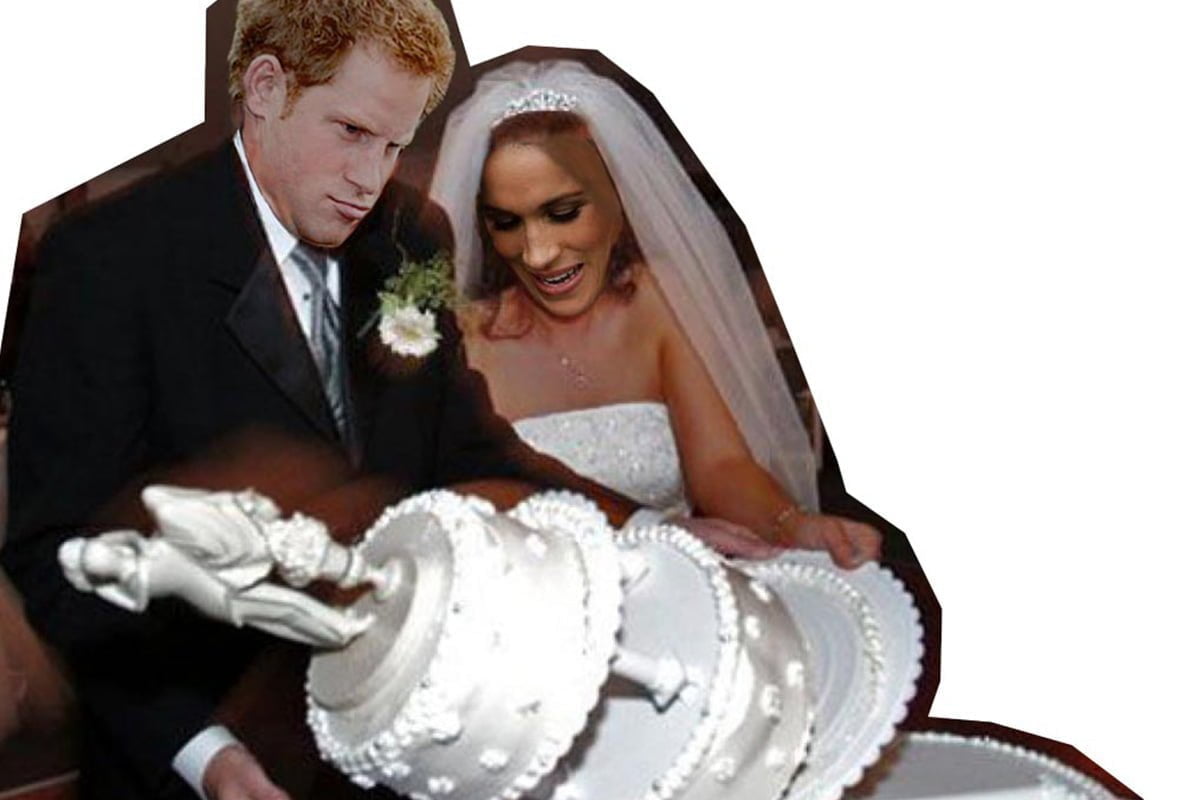
The extravagance of the latest royal wedding stands in stark contrast to the austerity imposed by the Tories.
Steve Jones reviews “Entitled: a critical history of the British aristocracy”, a new book about the English upper class. The monarchy and lords are reactionary and undemocratic institutions. It is time they were swept into the dustbin of history.
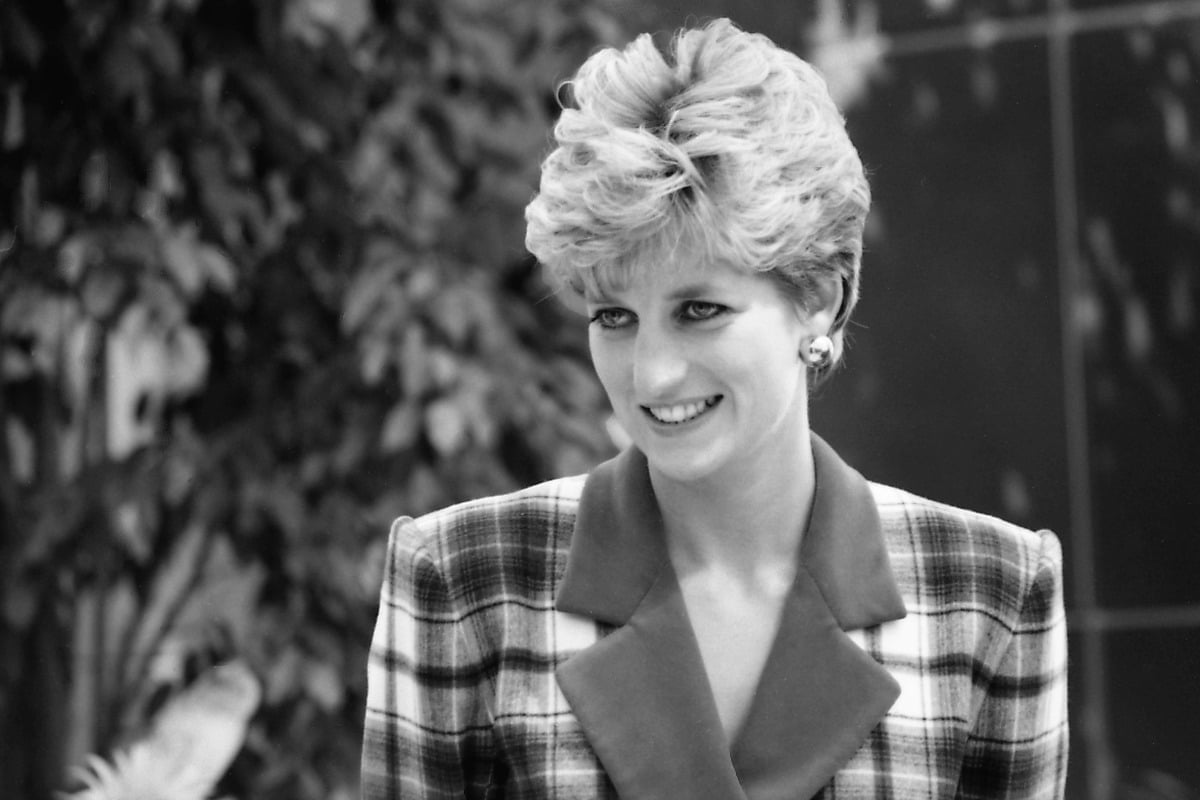
20 years ago today, on 31st August 1997, Diana, Princess of Wales, died as a result of injuries sustained in a car crash in Paris. In the following weeks, a spontaneous mass outburst of grief swept across the country, catching the whole Establishment by surprise. We republish here an article written by Alan Woods analysing this unprecedented phenomenon.
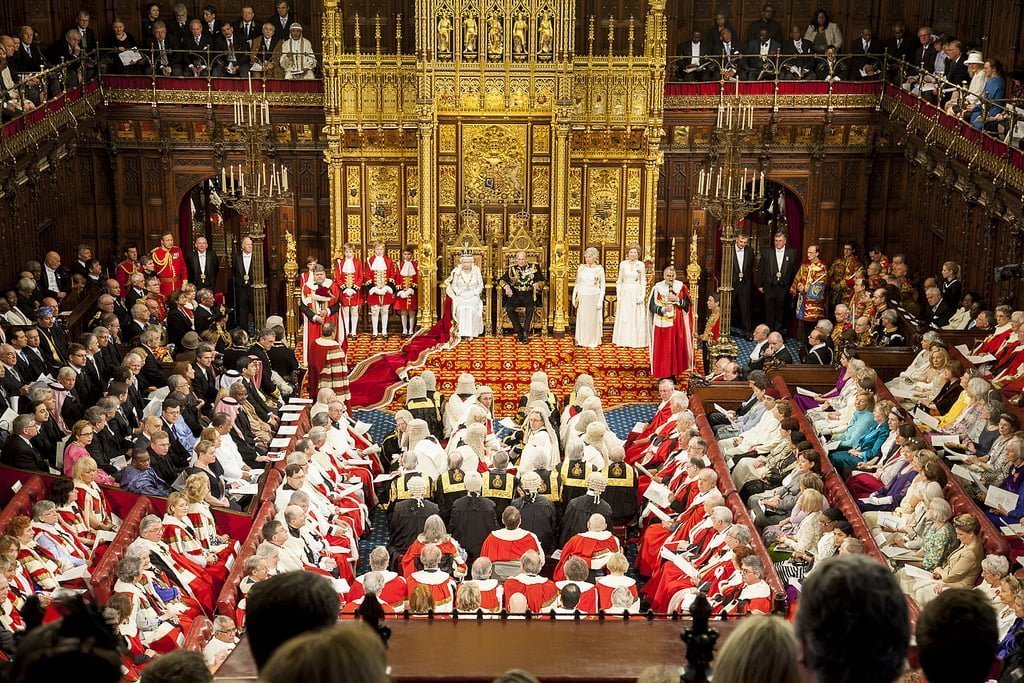
Steve Jones examines the growing fears amongst the ruling class about what will happen when the reigning Monarch, Elizabeth Windsor, dies and the Crown is passed on to a successor. The Monarchy’s authority has been severely dented over the years, and this important pillar of the British Establishment is crumbling amidst the general crisis of capitalism.
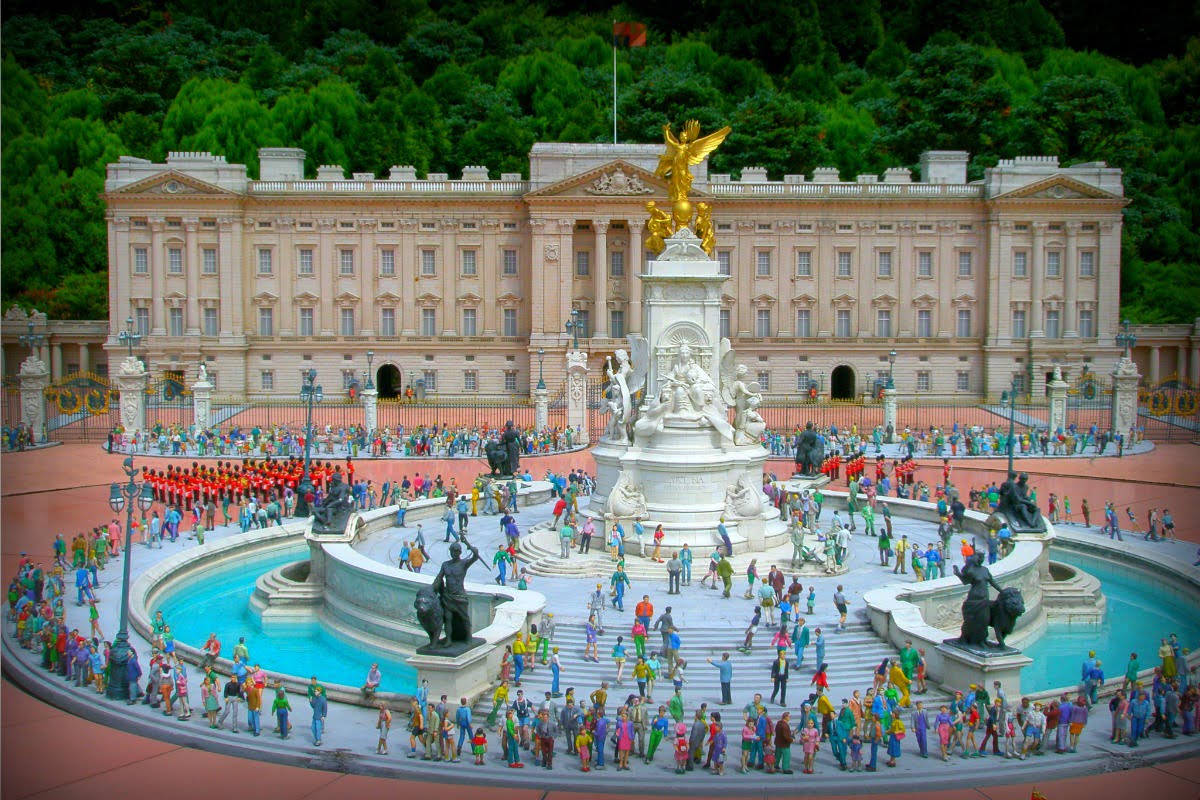
While one-in-four children in Britain live in poverty and essential public services suffer from dire underfunding, politicians in Westminster have somehow found the money to spend at least £369 million to refurbish Buckingham Palace. Last month’s overwhelming vote in favour of a handout for the Monarchy has revealed plainly where this government’s priorities lie.
Currently, upwards of 135,000 people have signed a petition calling for the Royal family to pay for the £369m refurbishment of their ‘home’, Buckingham Palace – an eye-watering bill which the public are being asked to pay. Daniel Morley looks at the facts behind the monarchy and the extortionate amounts they effectively steal from the rest of us.
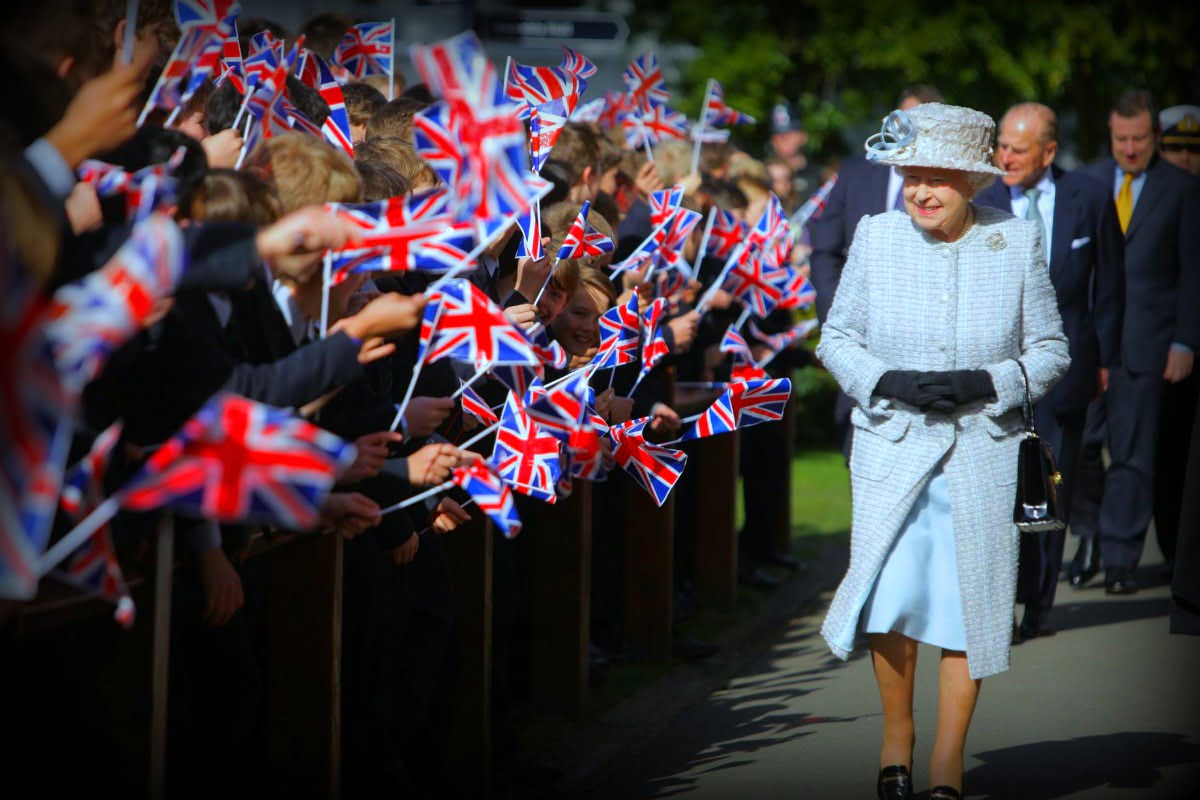
Today, Thursday 21st April, marks 90th birthday of the Queen, bringing with it the media’s outpouring of praise for the ‘People’s Queen’. But why does the Queen mean so much to the Establishment? What purpose does the Monarchy serve for the ruling class? And how successful has it been?
On 9th September 2015 Elizabeth II became the longest reigning monarch in British history. As this date approached, newspapers and programmes on the telly joyously compared Elizabeth’s reign to the reign of Queen Victoria. As Marxists, we call for an end to this feudal relic and pillar of the Establishment, and fight instead for a socialist republic.
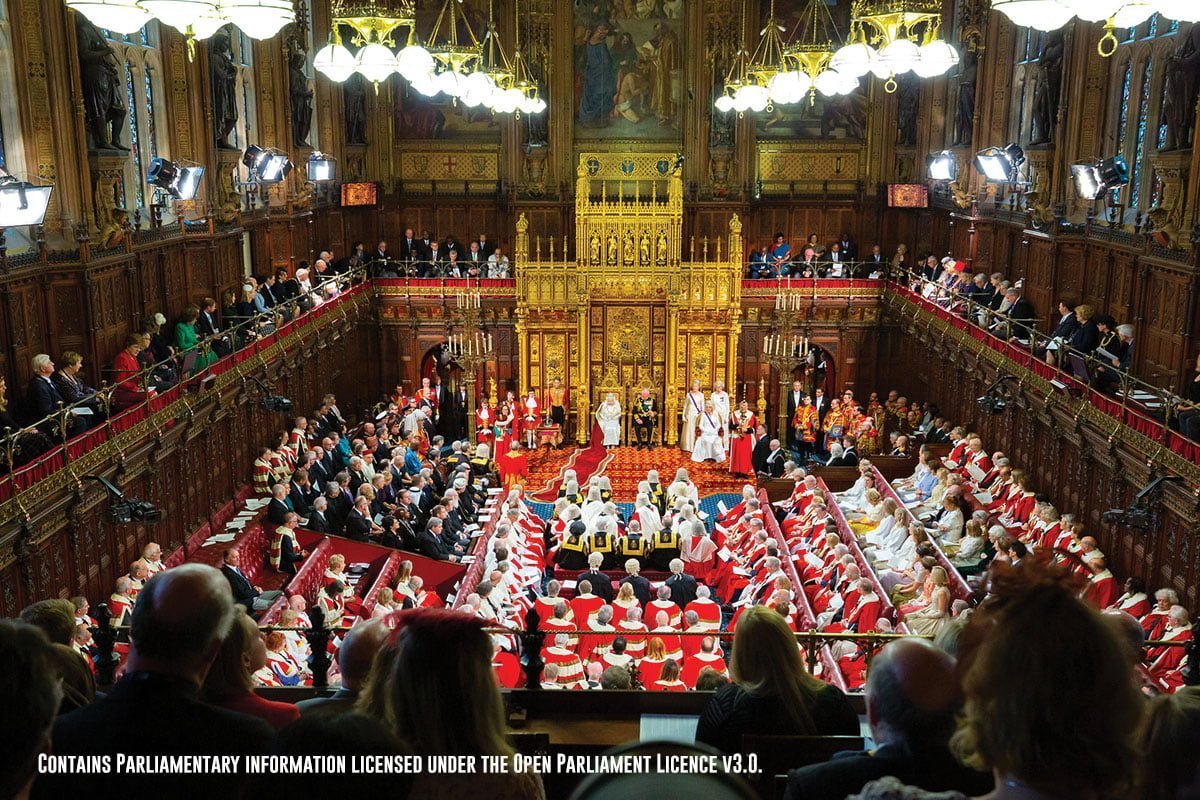
On 27th August, the government appointed 45 new members to the feudal relic that is the House of Lords, of whom 26 are Tories, 11 Liberal Democrats and eight Labour. The cronyism of these appointments was so blatant that it has made obvious the need to abolish this insult to democracy that is the Lords.

On Friday 29 April the people of
Britain will be invited to participate in the joyful celebration of the
marriage of Mr. William Windsor and Ms. Catherine Middleton. At the same
time that the government is cutting billions from unnecessary
extravagances such as hospitals, schools, teachers, nurses, the old and
the sick, the unemployed and single parents, the Coalition has had the
good sense to spend a lot of money on something as essential to the
Public Good as the nuptials of Willy and Kate.
Those of us watching the political developments in the wake of the
election have seen a kaleidoscope of people passing by – Brown,
Cameron, Clegg and all their understrappers have all been very busy.
They all have one thing in common. They are interested in politics. But
at this crucial time their attention has been concentrated on an
unusual figure – the Queen. She’s unusual because she’s not interested
in politics at all. Her favourite paper is the ‘Racing Post’ and her
major interest is in horse racing

Ten years ago in Britain, at the time of the sudden death of
Diana, we witnessed an outburst of popular feeling without precedent in recent
British history. It was an entirely new phenomenon, reflecting an entirely new
situation in Britain. Here we republish Alan Woods’ article written in 1997 which
looked at the serious crisis the monarchy and the British establishment were
facing at the time.