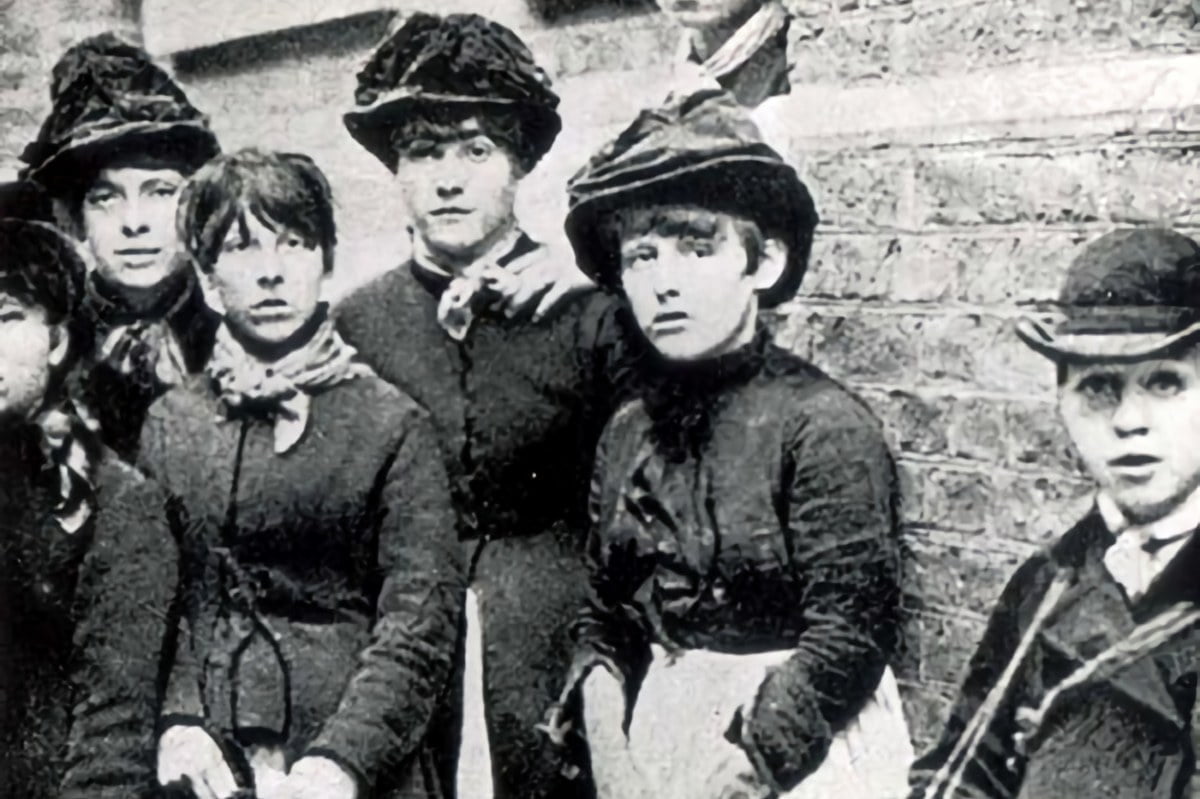
The Matchgirls strike: from a spark to a blaze
In July 1888, 1,400 female workers walked out on strike at the Bryant and May factory in East London. 125 years later, that struggle still holds a place of honour in the history of the labour movement.
Marxists must study the history of the class struggle, so that we can apply the lessons in the struggle for communism today. Here, you can find our most recent historical articles. For theoretical articles, click here.
You can also visit our education hub to find a selection of articles, books, talks and reading guides.
In July 1888, 1,400 female workers walked out on strike at the Bryant and May factory in East London. 125 years later, that struggle still holds a place of honour in the history of the labour movement.
To celebrate Ted Grant’s centenary this year, we are re-publishing his article from 1978 on the question of the revolutions in the ex-colonial countries, including those that took place in China, Cuba, and many other places, in which Ted provides a Marxist explanation for the particular way in which the revolutions in these countries developed. For more information on this subject, come to the Marxist Summer School, where John Pickard – former editor of the Militant – will be giving a lead off on this topic.
In 1949, Ted Grant, founder of the Militant Tendency and Socialist Appeal, wrote a polemical response to Tony Cliff on the class nature of the Soviet Union, arguing against Cliff’s theory of “State Capitalism”. Ted’s response provides an in-depth Marxist analysis on a range of questions, from the transition from capitalism to socialism, to the key issues of the state and the nature of Stalinism.
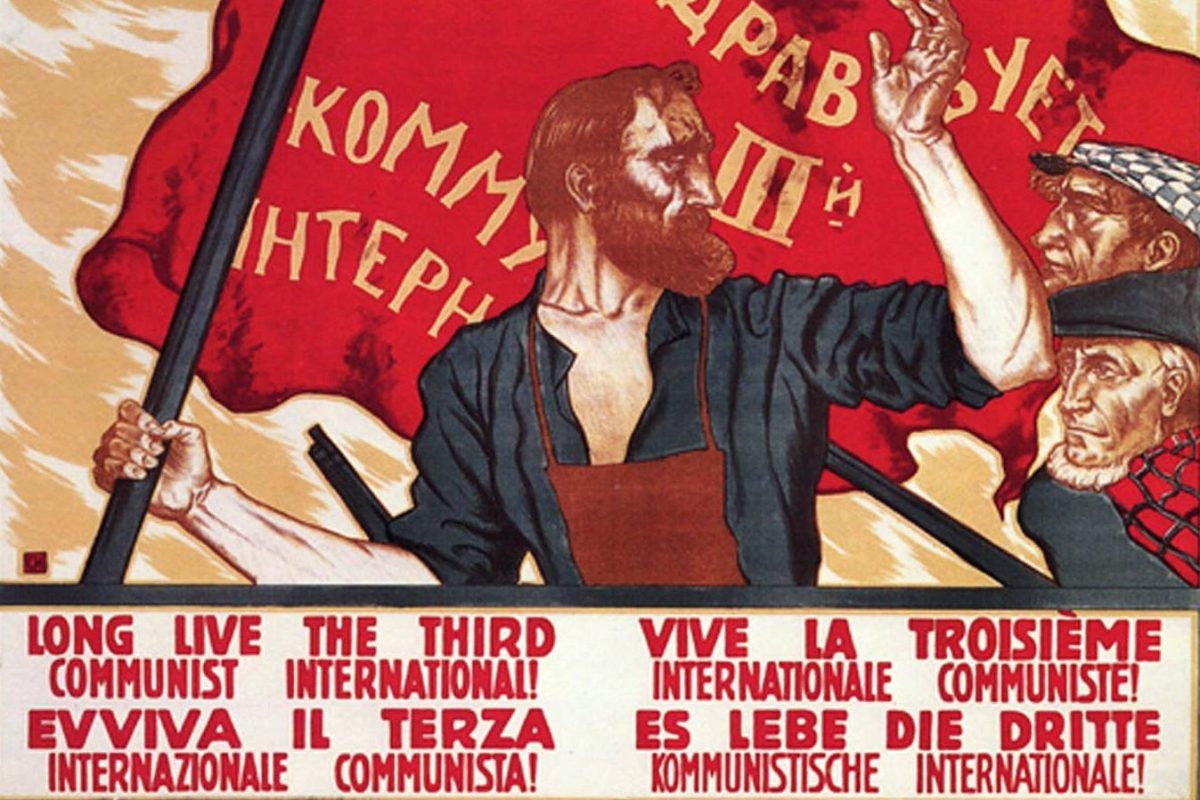
To celebrate this year’s centenary of Ted Grant, founder of the Militant Tendency and Socialist Appeal, we are re-publishing a series of Ted’s key writings. We begin with Ted’s pamphlet “The Rise and Fall of the Communist International”, which analyses the founding of the Third International and its decline under Stalin.
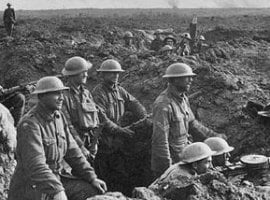
A revolutionary wave swept throughout Europe following the First World War. Millions of war-weary troops and workers, under the impact of the October Revolution in Russia, rose up to challenge the capitalist system. The war itself was not ended by the defeat of Germany, but by the German Revolution of November 1918. This radicalised mood had a big effect on the masses in Britain also, as Rob Sewell discusses.
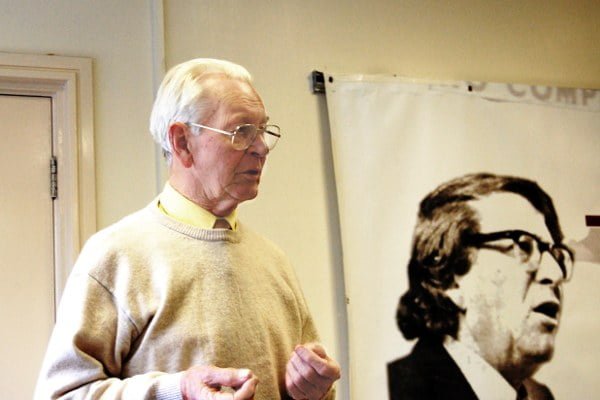
We present here a video recording of the book launch of Ted Grant: The Permanent Revolutionary, in which Alan Woods gives an account of Ted’s struggle for and his contribution to the ideas of Marxism.
As part of the Ted Grant centenary celebrations, we publish here a video of Ted’s speech at the 1984 Militant rally, in which he explains the contradictions of the capitalism, and the failures of the Thatcher government, as well as the Keynesian and reformist leaders of the labour movement.
On Thursday 11 April, a packed Socialist Appeal meeting at University College London saw miners’ leaders and trade unionists recall the brutality of Thatcher and the bitter lessons etched into their consciousness.
Saturday 2nd February marked the 70th anniversary of the end of the Battle of Stalingrad, with the surrender of German troops, a key turning point in the Second World War and a shattering blow to Hitler. Alan Woods analyses this historic event and the way in which it shows the superiority of the planned economy.
This month is the 95th anniversary of the Russian Revolution of 1917. During this month we will be publishing a number of articles to mark this historic event. The article by Ted Grant posted here was first published in 1975 to mark the 58th anniversary. Extended extracts have been reproduced in this month’s edition of Socialist Appeal, mainly dealing with the events of 1917. However the full article is worthy of study and it is that version will be made available here.
As the Chinese Communist Party gathers for its 18th Congress, we look back at the 1925-27 revolution, which was a heroic attempt of the Chinese workers to follow in the footsteps of the October 1917 Russian Revolution. However, due to its unprepared and irresolute leadership, it went down to a tragic defeat. Failed revolutions are always the greatest of tragedies. However, the only way of really honouring the many victims of the counter-revolution that ensued is to study the revolution and learn from its mistakes.
The Moscow Trials, which lasted from 1936 to 1938 will go down as the greatest frame-up in history. Their aim was to liquidate the entire
remaining Bolshevik old guard and act as the means by which Stalin
could consolidate his power as head of the bureaucratic caste that ruled the Soviet Union. Seventy-five years on, Jim Brookshaw – a former member of the British Communist Party – looks back at what happened and asks: why?