The Battle of Cable Street: 80 years on
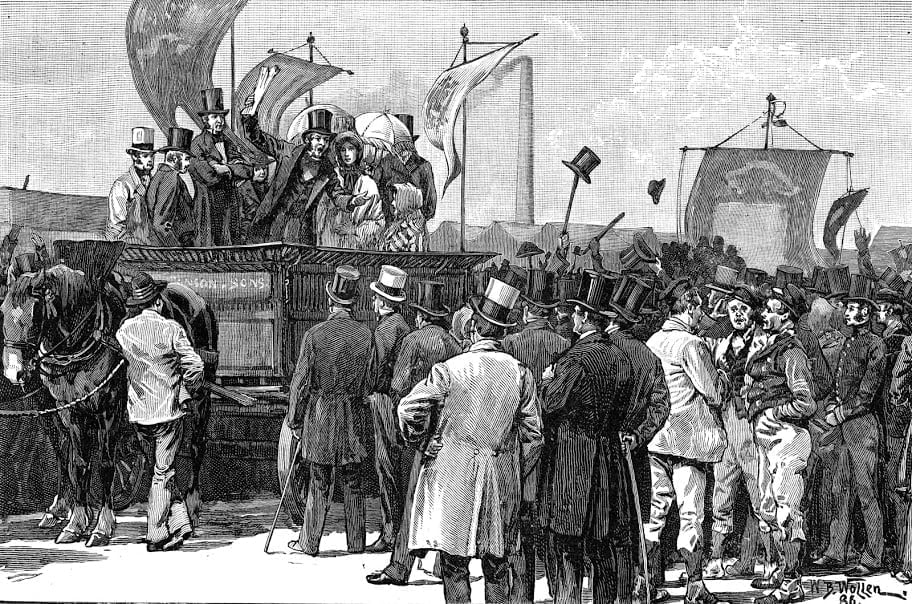
Today, 4th October, marks the 80th anniversary of the Battle of Cable Street, a momentous event in which the working people of London united to deliver a decisive blow against the menace of British fascism.
Marxists must study the history of the class struggle, so that we can apply the lessons in the struggle for communism today. Here, you can find our most recent historical articles. For theoretical articles, click here.
You can also visit our education hub to find a selection of articles, books, talks and reading guides.
Today, 4th October, marks the 80th anniversary of the Battle of Cable Street, a momentous event in which the working people of London united to deliver a decisive blow against the menace of British fascism.
Steve Jones continues his series on the history of the right wing in the Labour Party by exploring the rise of New Labour and its key architects: Blair, Brown, and Mandelson. All along the way, Blair and his political allies were pushed on by the Establishment, who wanted a reliable 2nd XI to replace the discredited Tories.
Steve Jones continues his series on the history of Labour’s right wing by exploring the role of Neil Kinnock and the introduction of the “one member, one vote” system – a move designed to limit the role of the Left and the trade unions; a move that has horribly backfired with the election (and likely re-election) of Jeremy Corbyn as Labour leader.
Steve Jones continues his look back at the hidden history of the right wing within the Labour Party. In this second part, Steve examines the example of Reg Prentice’s deselection 1975, the split and formation of the SDP, and the role played by Neil Kinnock.
The right-wing media is full of stories about the “threat” of left-wing “entryism” inside the Labour Party. But the Labour right wing have themselves been well organised and financed – not just in recent years, but over many decades. In this article, Steve Jones looks at the murky history of the Labour right, and why they present a barrier to a socialist transformation of society.
With Jeremy Corbyn on course to win another landslide victory in the contest for the Labour leadership, the Party Establishment are preparing the ground for a split. Rob Sewell, editor of Socialist Appeal, looks back at the Labour split of 1931 to analyse the important lessons of Labour’s history for today’s tumultuous events.
The rise of the Corbyn movement – along with recent comments by Tom Watson about Trotskyists and “entryism” in the Labour Party – have resulted in a renewed interest in the mainstream media about the history of the Militant. We republish here (in two parts) an abridged article by Rob Sewell, editor of Socialist Appeal and former member of the Militant Editorial Board, who recounts the real history of the Militant.
The rise of the Corbyn movement – along with recent comments by Tom Watson about Trotskyists and “entryism” in the Labour Party – have resulted in a renewed interest in the mainstream media about the history of the Militant. We republish here (in two parts) an abridged article by Rob Sewell, editor of Socialist Appeal and former member of the Militant Editorial Board, who recounts the real history of the Militant.
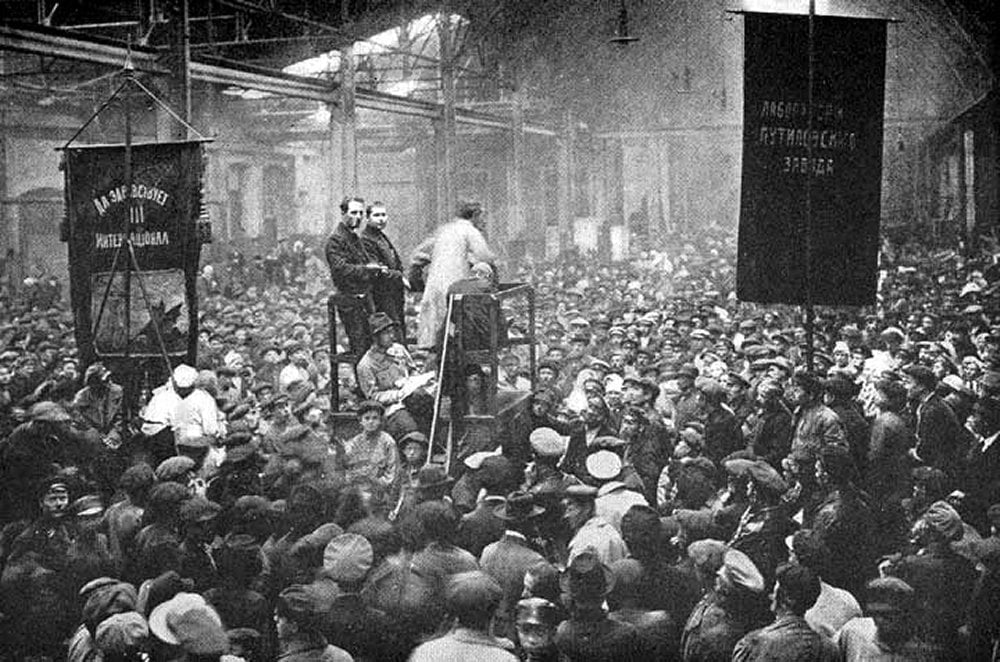
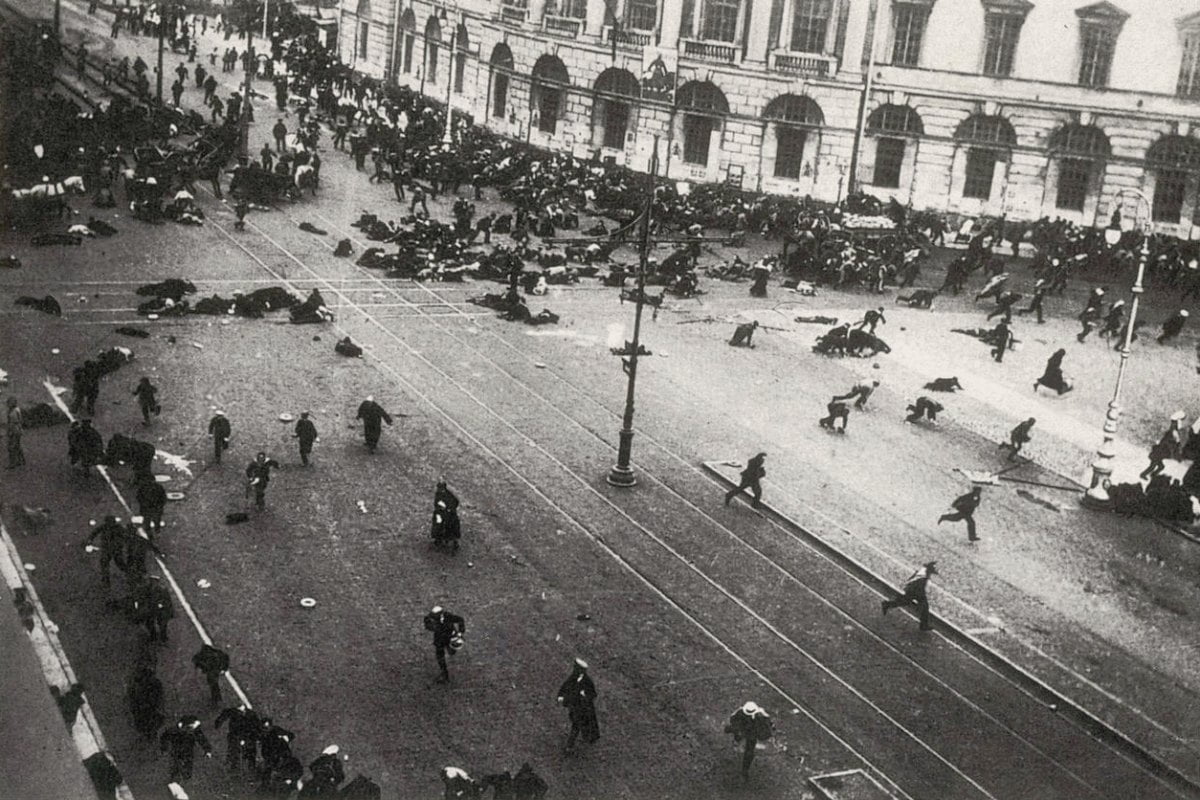
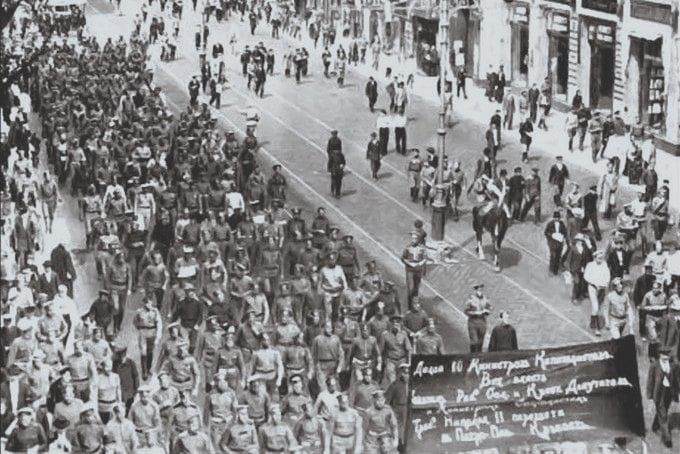
In the final part in his series on World War One, Alan Woods looks at how the war was brought to an end by revolutionary upheavals across Europe, beginning with Russia in 1917 – a fact that has been buried under a mountain of myths, pacifist sentimentality, and lying patriotic propaganda.
The frontiers of the Arab world today are the product of a secret plan drawn in pencil on a map of the Levant in May 1916 in a deal struck between British and French imperialism at the height of the First World War. Worked out one hundred years ago, the Sykes-Picot agreement is now synonymous with imperial deceit, cynicism and treachery.
We continue here the latest part in Alan Woods’ series on World War One, in which Alan discusses the turning point in the war. Dialectics explains how, sooner or later, things can change into their opposite. The First World War is a very good example of this. In the first period of the war reaction was firmly in the saddle. But by 1917, the situation had been transformed.
On 17-18 July, 1936, General Franco began his military uprising in Morocco, a prelude to the fascist uprising throughout Spain. The workers responded in a spontaneous fashion. Rob Sewell and Alan Woods discuss the revolutionary events of the 1936 Spanish Civil War.