Leon Trotsky: the life of a revolutionary
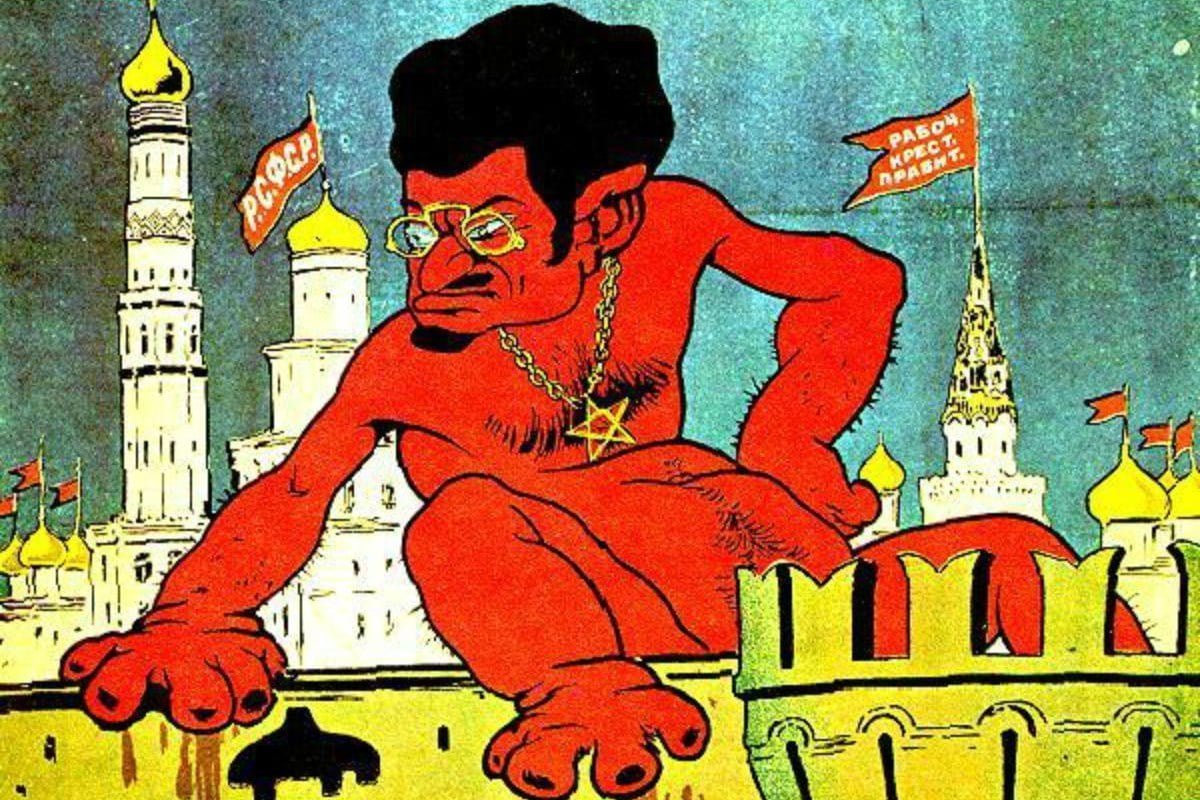
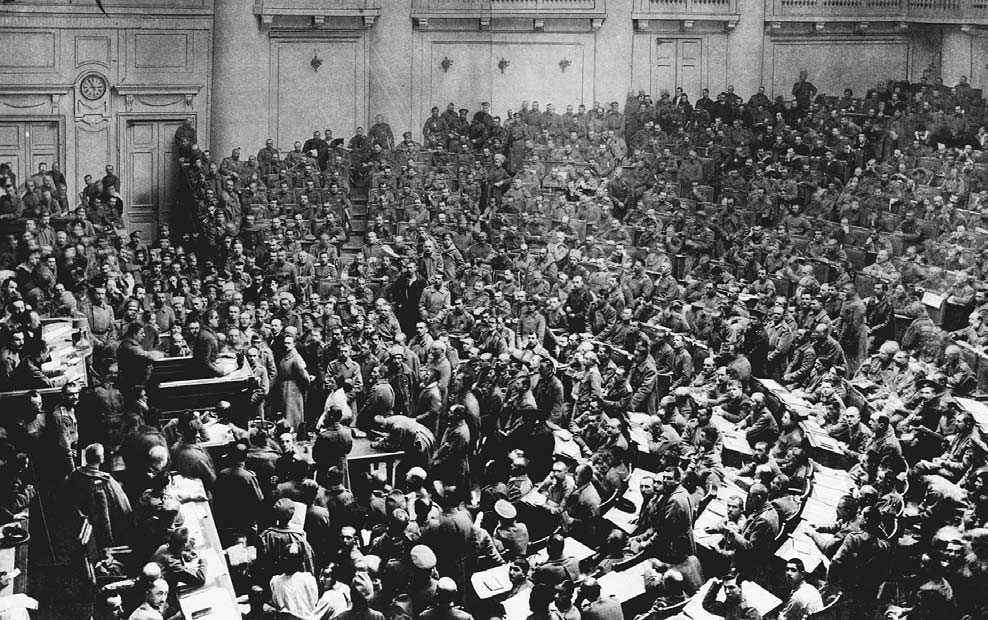
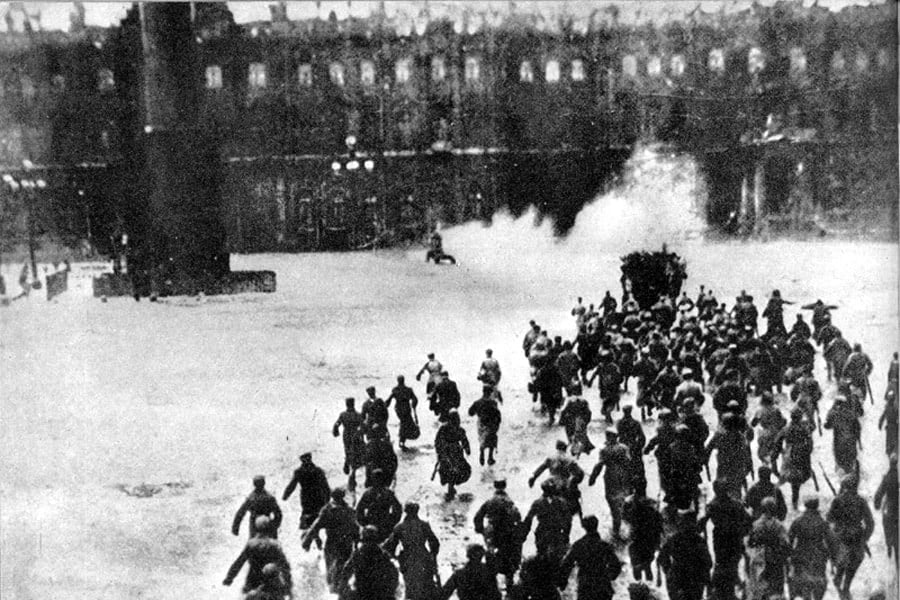
To mark the centenary of the Russian Revolution, we present this original documentary by the IMT celebrating the life and accomplishments of one of the revolution’s main leaders: Leon Trotsky.
Marxists must study the history of the class struggle, so that we can apply the lessons in the struggle for communism today. Here, you can find our most recent historical articles. For theoretical articles, click here.
You can also visit our education hub to find a selection of articles, books, talks and reading guides.
To mark the centenary of the Russian Revolution, we present this original documentary by the IMT celebrating the life and accomplishments of one of the revolution’s main leaders: Leon Trotsky.
370 years ago this weekend, the Putney Debates of 1647 took place: meetings of elected representatives from the Army ranks, chaired by Oliver Cromwell himself, which discussed the future direction of England. The demands put forward by the Levellers were revolutionary. To commemorate this anniversary, we republish here an extract from a longer series on the English Revolution by David Brandon.
Fifty years ago today, Che Guevara was brutally executed by Bolivian soldiers, so ending the life of one of the great revolutionary figures of the 20th Century. To commemorate Che’s life and ideas, we republish here an in-depth article by Alan Woods, originally written ten years ago, discussing Che’s experiences and what he really stood for.
Debates rage in the labour movement these days about how to eliminate socially unnecessary and harmful industries – such as Trident, nuclear energy, or arms manufacturing – whilst preserving jobs. Ben Curry looks back at a clear historical example that provides a socialist answer to this question: the Lucas Plan, made 40 years ago by aerospace workers in Britain.
In this latest video from our series on the 1917 Russian Revolution, Alan Woods – author of “Bolshevism: from Revolution to Counter-Revolution” – discusses the failed coup attempt by General Kornilov and the impact this had on the political consciousness of the masses.
This week marks 100 years since the attempted coup by General Kornilov in Russia, the aim of which was to completely crush the revolution. Dejan Kukic examines the events leading up to the Kornilov affair and explains how the working class, headed by the Bolsheviks, was able to defeat this counter-revolutionary putsch.
Continuing our commemorations of the centenary anniversary of the Russian Revolution, we republish here extracts from Leon Trotsky’s History of the Russian Revolution, in which the author explains the events surrounding the attempted – and failed – coup by General Kornilov and the forces of reaction surrounding him.
20 years ago today, on 31st August 1997, Diana, Princess of Wales, died as a result of injuries sustained in a car crash in Paris. In the following weeks, a spontaneous mass outburst of grief swept across the country, catching the whole Establishment by surprise. We republish here an article written by Alan Woods analysing this unprecedented phenomenon.
In the fourth and final part in his series about the violence and barbarism of the capitalist class throughout history, Fred Weston looks at the contemporary crimes committed by the capitalists and the imperialists, including the degrading everyday violence that the capitalism enforces on ordinary people every day in terms of homelessness and hunger.
We publish here extracts from Alan Woods’ introduction to the new Wellred Books’ edition of Ted Grant’s Russia: from Revolution to Counter-revolution, republished this year to celebrate the centenary of the 1917 Russian Revolution. In this intro, Alan discusses the enormous gains of the revolution – and how they were destroyed by Stalinist degeneration.
We publish here the third part in Luke Boulby’s series on the Australian general strike of 1917. In this third and final part, Luke looks at how scab labour way used to break the strike, and discusses the limits of the trade union leaders and the need for a revolutionary leadership of the working class.
15th August 2017 marks the 70th anniversary since Indian independence from British colonial rule. Mahatha Gandhi is often portrayed as an anti-imperialist and non-violent leader of the Indian independence movement. But, as Ravi Mistry explains, the truth is that Gandhi betrayed as many as he inspired, playing a role that ultimately led to the disaster of partition.