
‘Dirty Business’ exposes the water industry mafia
If you haven’t seen Dirty Business, go and watch it, because it is excellent! Channel 4’s dramatisation of the shitshow that Thatcher’s privatisations brought to the UKs water system is heartbreaking and infuriating in equal measures.
Eight year-old Heather Preen tragically died of an E. Coli infection caused by an unreported sewage spill on a blue-flag beach in Devon in 1999.
Fast forward 15 years, and such spillages were turned into a business model, thanks to the ‘self-regulation’ of the industry brought to us by Thatcher’s successors, David Cameron and Liz Truss.
The series follows two retirees as they investigate water companies, and the corruption taking place at the Environment Agency in the name of capitalist efficiency. The scale of damage, and the complete impunity, are hard to fathom.
One illegal spill – narrowly-defined as leaking untreated sewage – is punishable by five years in prison. For such crimes in 2024 alone, CEOs should face over two million years behind bars.
The show aptly describes this as organised crime, though they qualify the comparison: “They’re not killing people, they are not assassins”.
I beg to differ: they may not pull a trigger, but their poisoned water is causing chronic, often life-changing and lethal disease – they should be charged with manslaughter, at the very least.
Instead, after buying off the regulator for years, companies like Thames Water are asking for a 15-year ‘holiday’ from regulations! They beg for a £3 billion bailout to pay their former owner-turned-lender Macquarie Bank, whilst paying out millions to shareholders.
Yorkshire Water – fined £40 million last year for their 69,000 spills in 2024 – are, like many other companies, increasing their bills, citing costs of £8 billion to prop up the infrastructure that they let fall into disrepair.
Why should we pay any bills to these criminals? It’s time we nationalised all utilities under workers’ control. And for every cry for compensation – add another year of prison time!
Elena Simon, Sheffield
South East Water’s spiralling debt crisis
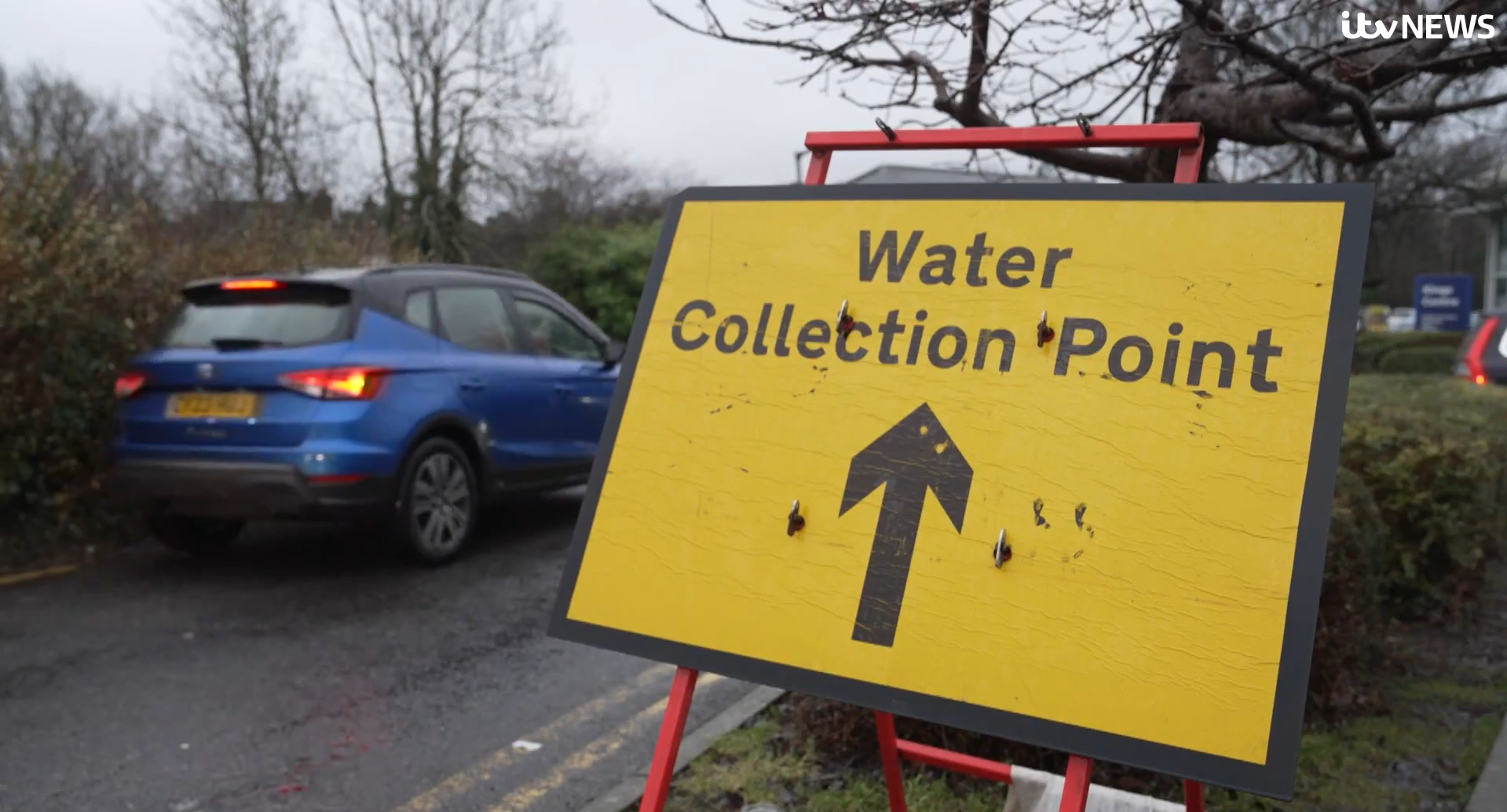
In January, South East Water (SEW) left 30,000 homes with low water supply in towns across Sussex and Surrey. Several schools had to close, and residents relied on bottled water stations to get supplies.
SEW has a shameful history of similar incidents. In December 2025, 16,000 homes suffered a water outage for almost a week due to potential contamination, and were subject to a nine-day ‘boil water notice’ after supplies returned.
These incidents are no surprise given the neglected state of infrastructure. Old pipes that can’t handle the summer highs and winter lows aren’t repaired or replaced.
It’s no mystery why: SEW is currently making year-on-year losses, and sitting on a massive £1.3 billion pile of debt.
It has loaned hundreds of millions from its own shareholders – shareholders who then line their own pockets with ten percent interest repayments!
Last year, SEW paid out £77 million on repayments like these. This amounts to a quarter of customers’ bills going not towards improving infrastructure, but servicing debts.
The government is introducing a new water regulator, but it will not be able to overcome this fundamental issue: that the shareholders call the shots, and that the water companies must keep degrading the service to provide them with decent returns.
A regulator can impose fines to punish the worst and most scandalous excesses, but they cannot compel investment into new infrastructure – and no amount of fines can address the spiralling debt dragging these water companies into the abyss!
BA, Brighton
Britain’s roads: A “national disgrace”
Britain’s roads are one topic guaranteed to get a reaction in any workplace – and not a good one.
Every year, the road surfacing industry publishes the ALARM report: a survey of local councils measuring the state of our roads and the cost to fix them. This year’s findings are the worst on record.
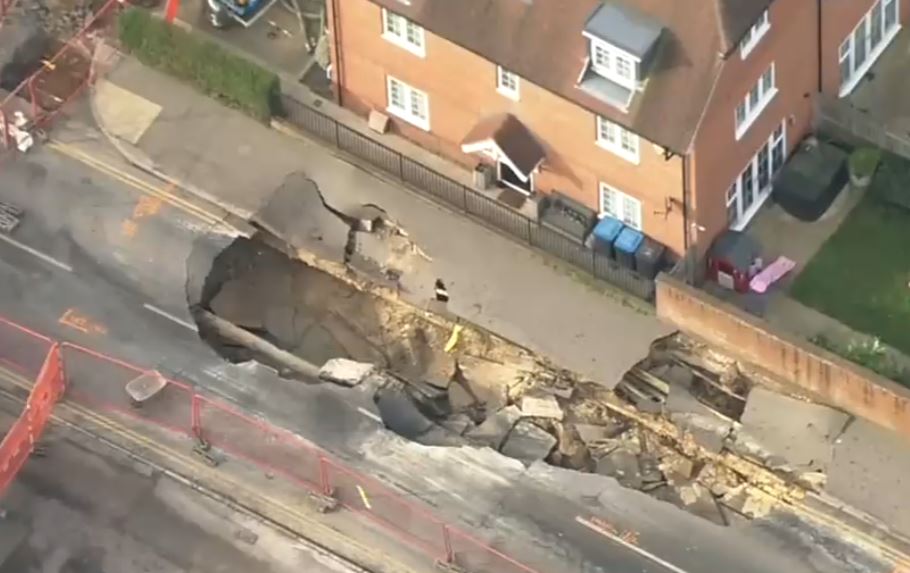
The bill to bring local roads up to a decent standard has hit £18.6 billion, up 11 percent on last year. Just half the road network is in good condition. Over 32,000 miles of road have fewer than five years left before they fail completely.
Councils resurface roads, on average, once every 97 years. The industry’s own chairman called it a “national disgrace”.
For working people, it’s a blown tire on the way to work. An expensive repair bill. A nasty cycling accident.
Councils filled 1.9 million potholes last year – more than 5,000 every single day – and conditions still haven’t improved.
The cause is straightforward: years of cuts. Councils are responsible for maintaining local roads, but the government has starved them of money since 2010. Ministers have now committed £7 billion over the next four years – less than half the £18.6 billion needed just to clear the current backlog, let alone keep up with ongoing wear.
It is time to stop asking working people to dodge potholes, and start presenting the bill to those who created them: the billionaires and bankers.
Luca Ferrara, Norwich
Oil crisis spills into countryside
The conflict in the Middle East has thrown global oil markets into turmoil.
Most people experience this as rising petrol prices.
But it’s a different experience for the 1.7 million British households that are not connected to the gas grid, which rely instead on heating oil stored in domestic tanks. These are overwhelmingly rural homes, where there is no alternative infrastructure.
Unlike mains gas and electricity, this fuel is not covered by a price cap and must be purchased in bulk deliveries. When global oil prices spike, these households feel the impact immediately.
Many suppliers have begun restricting deliveries due to supply volatility. This has triggered a wave of panic buying, as households rush to fill their tanks before the next increase.
But the pressure doesn’t stop at the household level.
Between global oil markets and domestic customers sits a chain of wholesalers, distributors and delivery firms. Many of these are small, family-run businesses operating on tight margins. In stable conditions, they make modest returns. In volatile markets, they face serious risk.
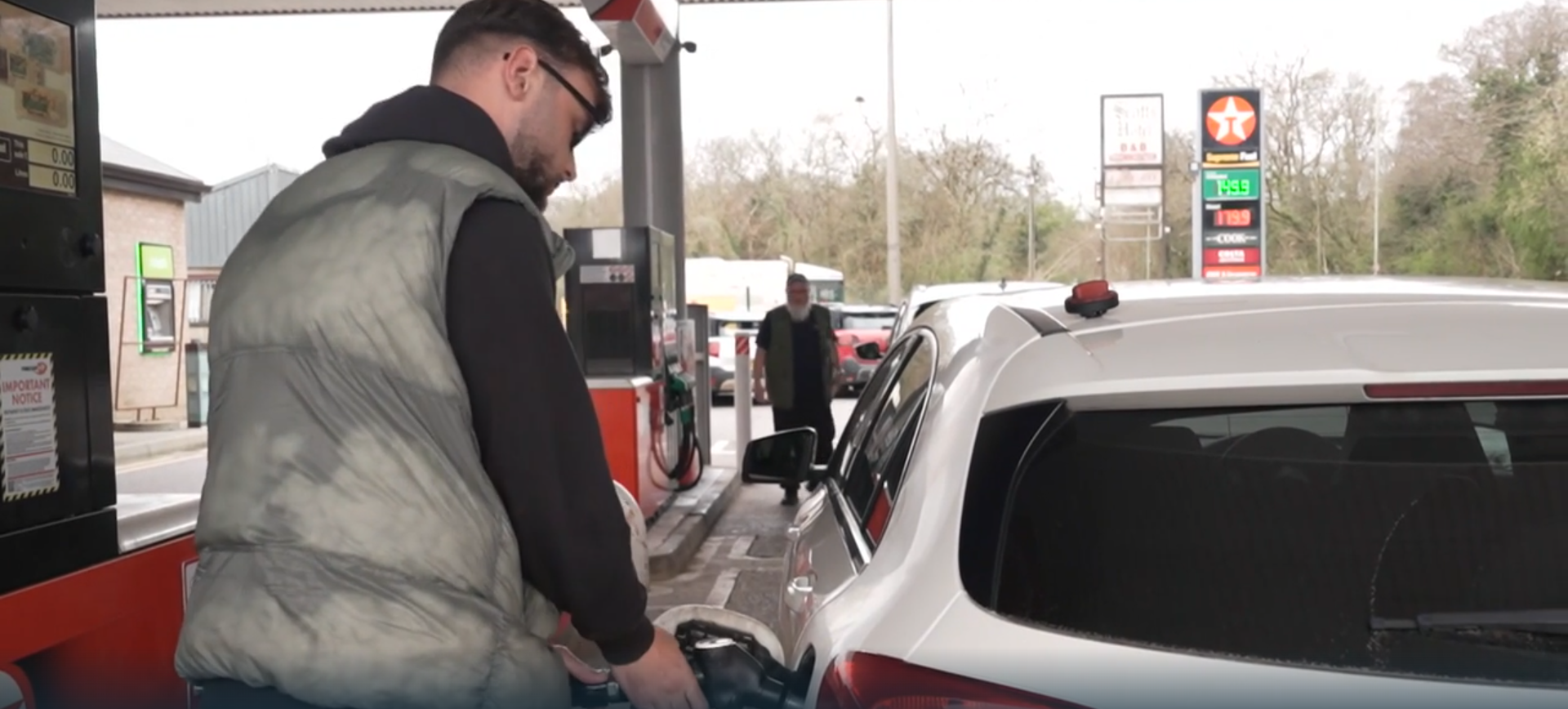
If they sell fuel too cheaply, they may not be able to replace it at the higher wholesale price. If they raise prices too quickly, they risk losing customers, or being accused of profiteering.
In these conditions, some distributors have begun refusing new orders altogether rather than gambling on rapid price swings.
This is how global crises actually unfold under capitalism. Decisions made at the level of war and geopolitics ripple through supply chains until they land on ordinary people.
Tin Shan, Birmingham
Present arms… Anyone?
The army is running ‘Project Grayburn’: selecting a new rifle for its ever-shrinking pool of willing recruits. The Grayburn hopes to replace the L85, best described by its nickname of ‘the civil servant’ – it didn’t work, and you couldn’t fire it.
The L85 was adopted during the death throes of British industry in the 1980s. The Enfield factory, where the weapons were produced, was privatised in ‘84 and closed in ‘88.
The lack of investment in production led to serious issues with the L85 (a later report found more than fifty problems), but the soon-to-be-fired workers weren’t in any mood to fix them. Exports were basically nil, and soldiers had little faith in the weapon.
With the Grayburn rifle – specifics of calibre, colour, and flavour aside – the key requirement is that it must be made in Britain.
But the industry isn’t here. Setting up a factory to deliver the 170,000 rifle contract would require huge capital investment.

Nobody’s biting very enthusiastically. A factory in broken Britain won’t be profitable on the world market, compared with the likes of the US, Russia, China, or Israel.
Starmer could try throwing more money at these manufacturers to cajole them into supplying the meagre British army. But how would he fund this? With more cuts to welfare and stealing from ordinary workers.
Armed with rifles or broken bottles, workers will rise up to defeat those who have looted this country for all it was worth.
Lexi Sharratt, Sheffield
Expensive, slow, and late: All aboard Glasgow’s private buses!
It was recently reported that Glasgow’s First Bus services are the most expensive in the UK. A day ticket costs £6.30 for inner city routes and a whopping £8.30 for those travelling from the greater Glasgow area – up 20 percent in one year.
Margret Thatcher once remarked that “a man who, beyond the age of 26, finds himself on a bus can count himself a failure”.
In 2026, even with the small fortune the average Glasgow worker has to spend on travel, they’d count themselves lucky to find themselves on a bus in the first place!
In Glasgow, if a bus shows up five minutes late, it’s considered early. Bus delays of ten or even twenty minutes are extremely common. Bus coverage is so poor there are large parts of Glasgow virtually inaccessible via public transport. For the fifth largest city in the UK, this is dire.
This is all due to the privatised nature of First Bus. Develop bus infrastructure and hire more staff? No, the bosses at First Bus would rather enrich themselves – reporting annual profits of £96 million in 2025 – than give a quality service to Glaswegian workers who rely on the service.
If these services were nationalised – and the drivers and the depot workers were in control of their own workplaces – we could easily eliminate the colossal journey costs, long waiting times, and poor coverage plagueing Glasgow’s bus routes.
Charlie Edwards, Glasgow