As mass anti-government protests continue across the Islamic Republic, imperialist vultures have circled Iran, cynically hoping for the fall of the regime so that they may get their own pound of flesh.
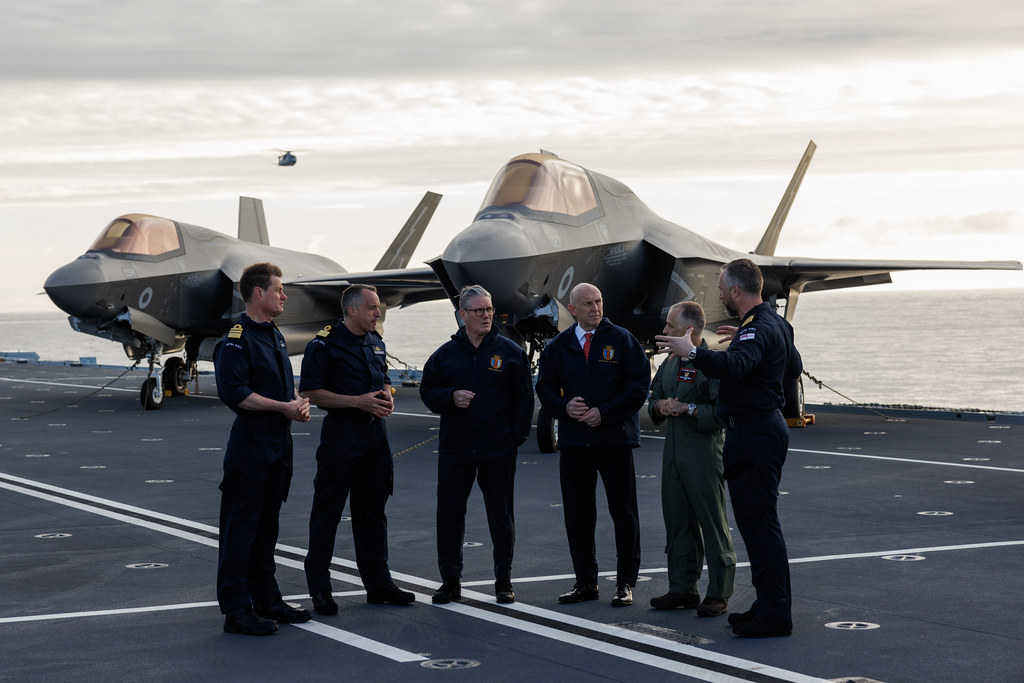
Starmer’s government has insisted it wants a “peaceful transition where people can enjoy fundamental freedoms and we see proper democratic values back in the heart of Iran.”
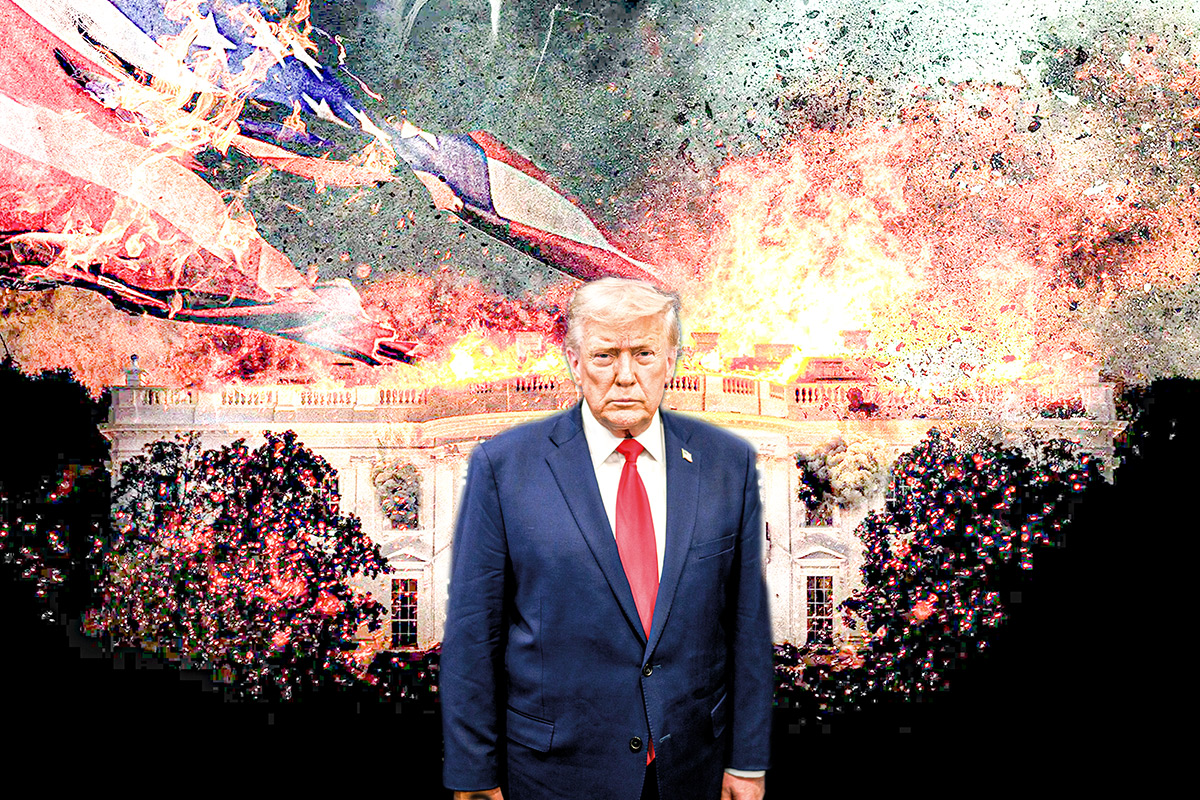
Nigel Farage and Kemi Badenoch, meanwhile, have come out more boldly in favour of the Britain and US allies intervening militarily.
The former has called on Keir Starmer to “man up” for “freedom and liberty”. The latter thinks it would be a good thing to use RAF strikes, “as we’ve seen… for instance, in Syria” – and this “to make sure we create a stable Iran”, no less!
In reality, none of these politicians care one bit about the conditions of ordinary Iranians today, which are the result of decades western imperialist meddling in the region to secure resources and control.
When these hypocrites hark back to a mythical age of “freedom and democracy”, they mean one in which Britain ruled Iran via the proxy of a brutal, reactionary monarchy.
Below, we share an article from the RCP’s pamphlet The Crimes of British Imperialism, available now from Wellred Books Britain, exploring the real history of Britain’s role in Iran: one of imperialist exploitation and plunder, political meddling, and mass killings.
Voir cette publication sur Instagram
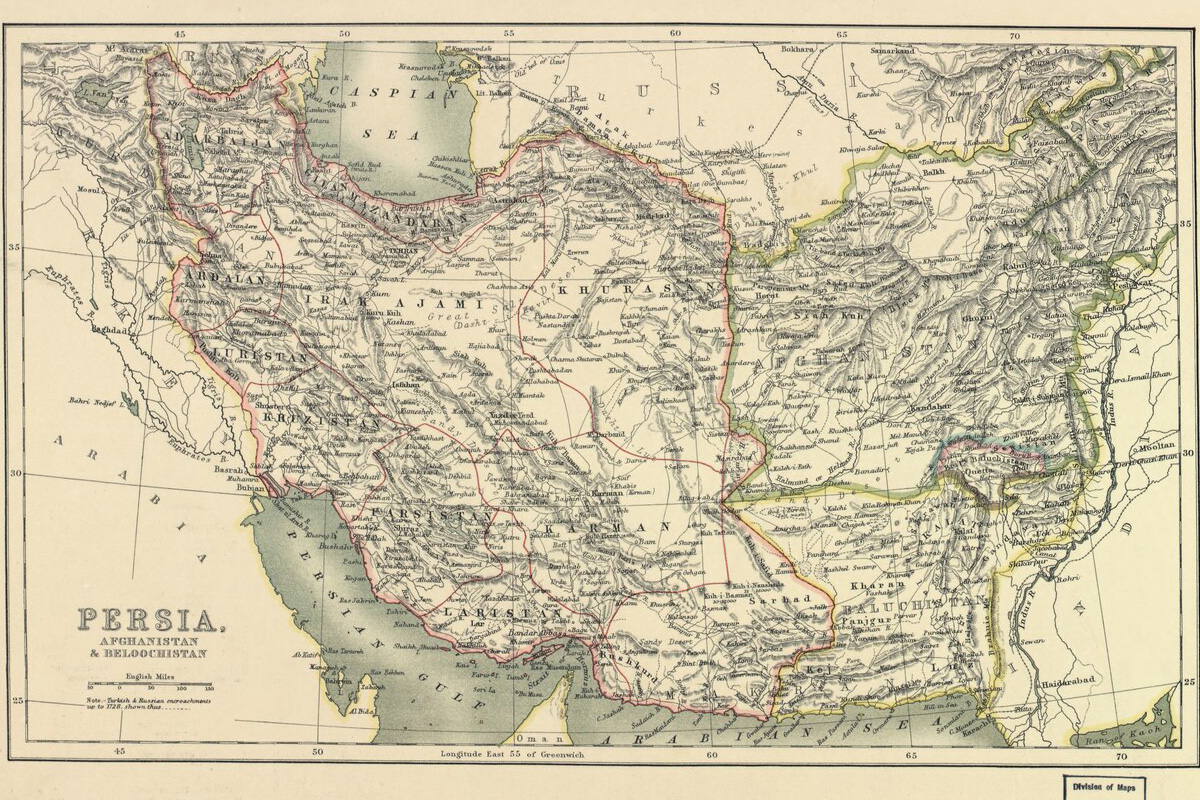
British imperialism has a long history of meddling in Iran. Although Tsarist Russia had made the first inroads into then-Persia at the beginning of the 19th century, it was Britain that played the most destructive role, exploiting millions and confining workers and peasants to a state of barbarism.
Following the Crimean War in the mid-1800s, to counter Russian imperialism in northern Persia, the British imperialists invaded southern Persia. They promised to recognise the legitimacy of the Qajar dynasty in return for lucrative economic concessions.
Effectively, the Qajar became a stooge for imperialist interests. In satirical cartoons of the time, a helpless Persian cat is toyed with between a British lion and a Russian bear.
By the end of the 19th century, Persia was irreversibly enmeshed in the development of capitalism across the world. Over decades, British imperialism sank its claws into the Iranian economy through banks, mining, commercialising agriculture, building railways, canals, irrigation works, roads, telegraph lines, and industrial factories.
This economic development had a tremendous impact on class relations. In 1900, only 10 percent of Iranians lived in towns; the majority depended upon agriculture and a pre-feudal mode of production.
But the centuries-old tribal system was being undermined by the voracious appetite of the imperialists for profit. Foreign goods imported into the bazaars undermined the traditional handicrafts.
Capitalist development was forming new class antagonisms – a native bourgeoisie, a middle-class intelligentsia, and an industrial working class. The impact of imperialist exploitation and extraction gave rise to a burning desire among the oppressed to kick out the imperialists and overthrow the imperialist lackey Qajar regime.
Oil and revolution
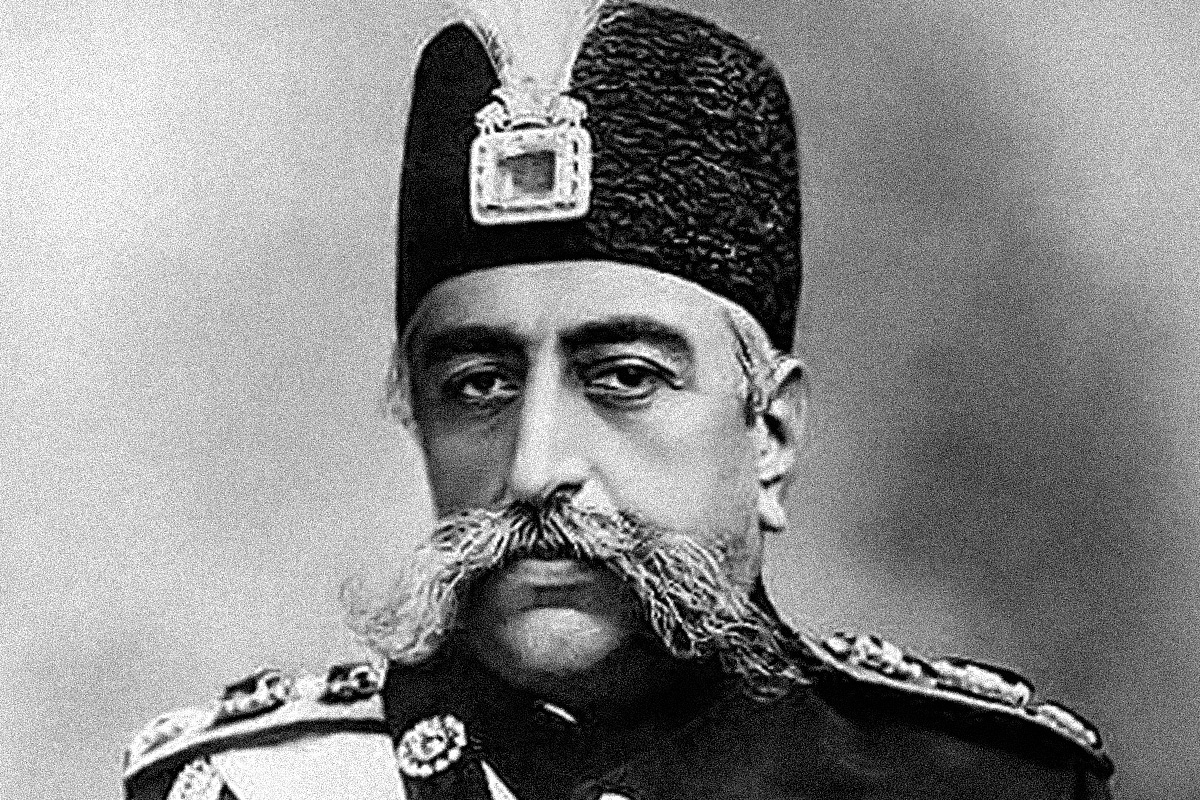
In 1901 the D’Arcy Concession, signed between Britain and Iran, gave Britain exclusive rights to explore Iran for oil. It gave Iran only 16 percent of the profits from any resources discovered. The Qajar Shah, Mozaffar ad-Din Shah, lived lavishly at great expense to the state’s increasingly parlous coffers.
In 1905, a cholera outbreak and poor harvest provoked an economic crisis. The 1905 Russian Revolution also caused rampant inflation in Iran and rises in the cost of essential goods. Decades of growing imperialist domination had sown discontent, which was about to erupt.
A revolutionary movement was emerging with local merchants, Muslim clerics, and radical intellectuals at its leadership. They saw that British imperialism was funnelling massive profits out of the country, destroying the bazaars with foreign manufactured goods, and that the Shah was worsening the economic crisis by selling off assets to pay off foreign debts.
The movement was led predominantly by petit-bourgeois nationalists. When massive protests broke out in 1905 and 1906 they were met with heavy suppression.
Initially, Britain reluctantly supported the revolutionaries who sought shelter from the authorities in the British Embassy and its grounds. This may appear strange but the revolutionaries invoked the Iranian custom of ‘bast’, which designates sanctuaries allowing people to seek protection and refuge from persecution.
British officials felt they could not use force against those invoking this custom and so what began as a few people quickly ballooned into around 14,000 on the Embassy’s grounds. (Ervand Abrahamian, Iran Between Two Revolutions, 1982, page 84)
Eventually, in August 1906, the old and frail Shah conceded to a Constituent National Assembly but was still wary of committing to a constitution, especially since the revolution demanded a constitution that would limit his power. Nevertheless, this victory gave a huge impetus to the revolutionary movement.
After the Constituent Assembly first met, the number of papers and journals in Iran exploded from six to over 100 in just ten months.
The Shah’s unwillingness to allow a constitution caused huge protests. He was forced into submission through strikes and mass demonstrations before he died a few days after the constitution was finally signed.
However, the petit-bourgeoisie had won their rights but had made enemies of the mullahs, who desired that the constitution adhere to the Quran and Islamic laws.
Imperialism and counter-revolution
Tsarist Russia feared that a constitutional and nationalist government on its southern border would, firstly, result in the total expulsion of Russian imperialism in Iran and, secondly, give oxygen to the constitutionalists in Russia.
British imperialism, on the other hand, simply desired a stooge who would support their new oil interests and so provided loose support to whoever fits that criterion, be it rebels or a monarch.
Sensing the weakness of a divided and inexperienced Iranian government, the Anglo-Russian Agreement of 1907 essentially carved up Iran and consolidated their imperialist domination through ‘spheres of influence’.
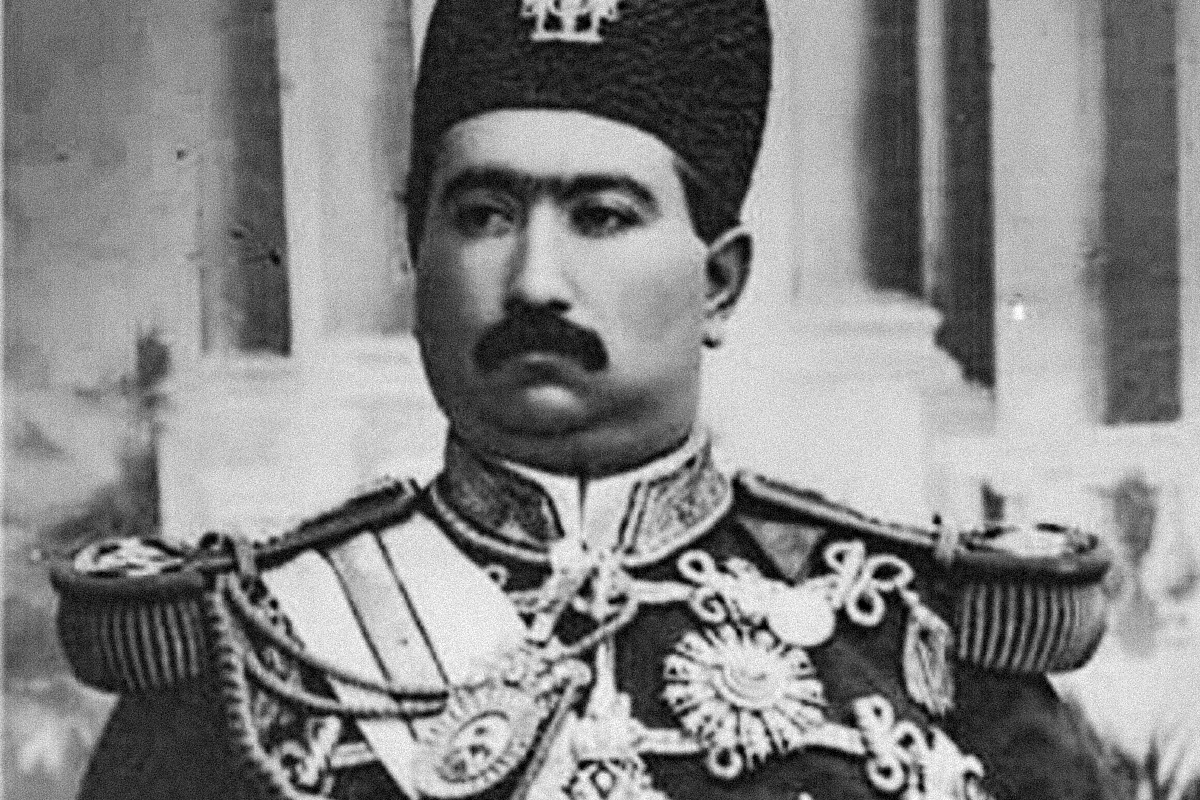
This stirred the revolutionary movement, which was restless from the inaction of the government to expel the imperialists. Mozaffar ad-Din Shah died only a few days after signing the constitution and his son, Mohammad Ali Shah Qajar, sat on the throne.
Like his father, he too was immensely hostile to constitutionalism and the new Shah sought to recover the power of the monarchy with the support of British imperialism who now opposed the revolution.
Thus a new phase of struggle erupted in the form of civil war, which was stoked by the imperialists. The Shah carried out a coup d’état supported by Tsarist troops and abolished the constitution.
However, the constitutionalists waged a revolutionary struggle against the counter-revolution lasting a year. They forced the Shah to abdicate, replaced by his son, and reinstated the constitution.
Lenin remarked in 1908 that “…the victory of the Persian revolution, [would] give fresh impetus to the democratic movement in Asia, [and] intensify the struggle for independence in India.”
The revolution succeeded but was weakened by the efforts of the war. Once oil was discovered in 1908, the Anglo-Iranian Oil Company (AIOC), known today as British Petroleum, was founded. It was in effect controlled by the British Government since delegates from the British Treasury and Admiralty sat on its Council.
For British imperialism, oil was an important resource that they required to maintain and expand their interests. The Royal Navy, under the command of Winston Churchill, was transitioning from coal-powered ships to more efficient oil in preparation for an imperialist conflict. Securing access to oil supplies was therefore essential.
The development of capitalism in Iran had created a national bourgeoisie. But their class development, in part stimulated by British imperialism, had at the same time been stunted by imperialism’s stranglehold of industry.
To maintain their interests and exploit Iran’s natural resources, British imperialism attempted to win over Iranian politicians, businessmen, and tribal leaders with a share of the imperialist loot, which succeeded.
There was therefore a dependency between the bourgeoisie of Britain and Iran, with the latter serving as agents of imperialism. The national bourgeoisie was incapable of waging a genuinely revolutionary struggle against the imperialists, firstly, due to its stunted development and, secondly, its joint class interests with the imperialists to continue the exploitation of the workers and peasants.
Ultimately, the character of the constitutional revolution was bourgeois-democratic. The bourgeois had based themselves on the masses to strike blows against the Qajar monarchy and British imperialism. However, having won their demands for bourgeois property rights in the constitution, compromised with the monarchy and imperialism, and betrayed the masses’ anti-imperialist struggle.
WWI and the Persian famine
During WWI, although formally neutral, Iran became an arena for the imperialist battles between Ottoman and German forces against British and Russian. In 1914, sensing the outbreak of WWI, the British state secured a controlling 51 percent stake in the AIOC.
Cheap and vast reserves of oil were vital for the military as well as the British economy. The British ruling class therefore would defend their access to Iranian oil at all costs against imperialist rivals. In order to maintain class rule at home, the imperialists are compelled to exploit foreign markets and labour. In other words, foreign policy is the extension of domestic policy.
Britain and Russia invaded Iran to secure access to oil, gas, and food to supply their war machines fighting in Europe. The German and Ottoman military strategic goal in Iran was to undermine and cut off Russian and British access to these resources.
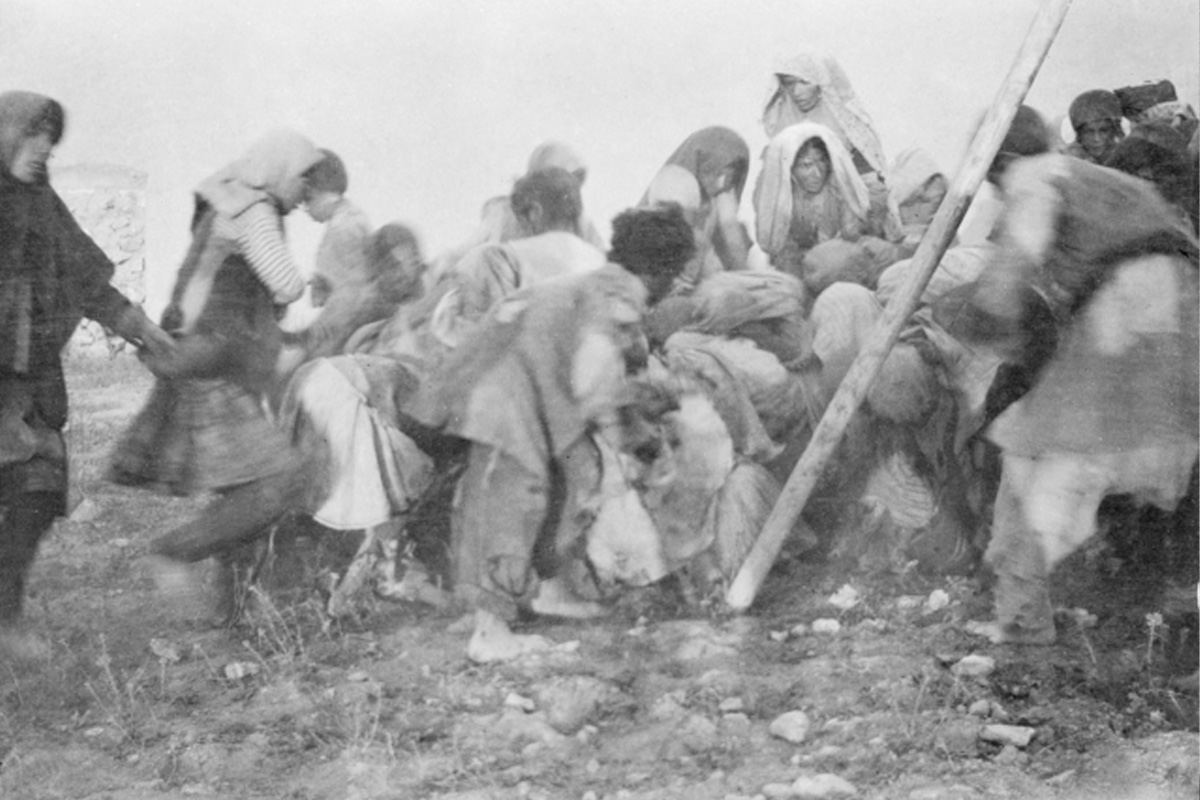
The invading armies destroyed agriculture, plundered crops and livestock, and forced the peasantry to serve as labourers in the armies, leaving their farms to go to ruin. The imperialist destruction of agricultural production led to widespread food shortages and a devastating famine killed two million Iranians between 1917-19.
WWI caused a monumental dislocation of Iranian society in which hundreds of thousands migrated in search of food, work, and shelter. This migration alongside destitution provided conditions for diseases like cholera, Spanish flu, and typhus to spread quickly, which led to an additional estimated 1-2 million deaths in addition to the two million deaths from famine.
Before the war, Iran’s population was over ten million, but by the end of the war, almost four million had died as a result, although the number of deaths may have been even higher. These millions of deaths were the direct result of British imperialist policy and its exploitation of the natural resources and poor in Iran.
The Bolsheviks and the Shah
The 1917 Russian Revolution initially led to the withdrawal of Russian troops from Iran. Once the Treaty of Versailles had been signed the imperialists became busy dividing up the colonies. British imperialism occupied Iran and hastily pursued exclusive economic rights, especially in the oil fields. It desired to conquer the Caucuses in the north with help from White Russian counter-revolutionary forces who wanted to defeat the Soviet Union.
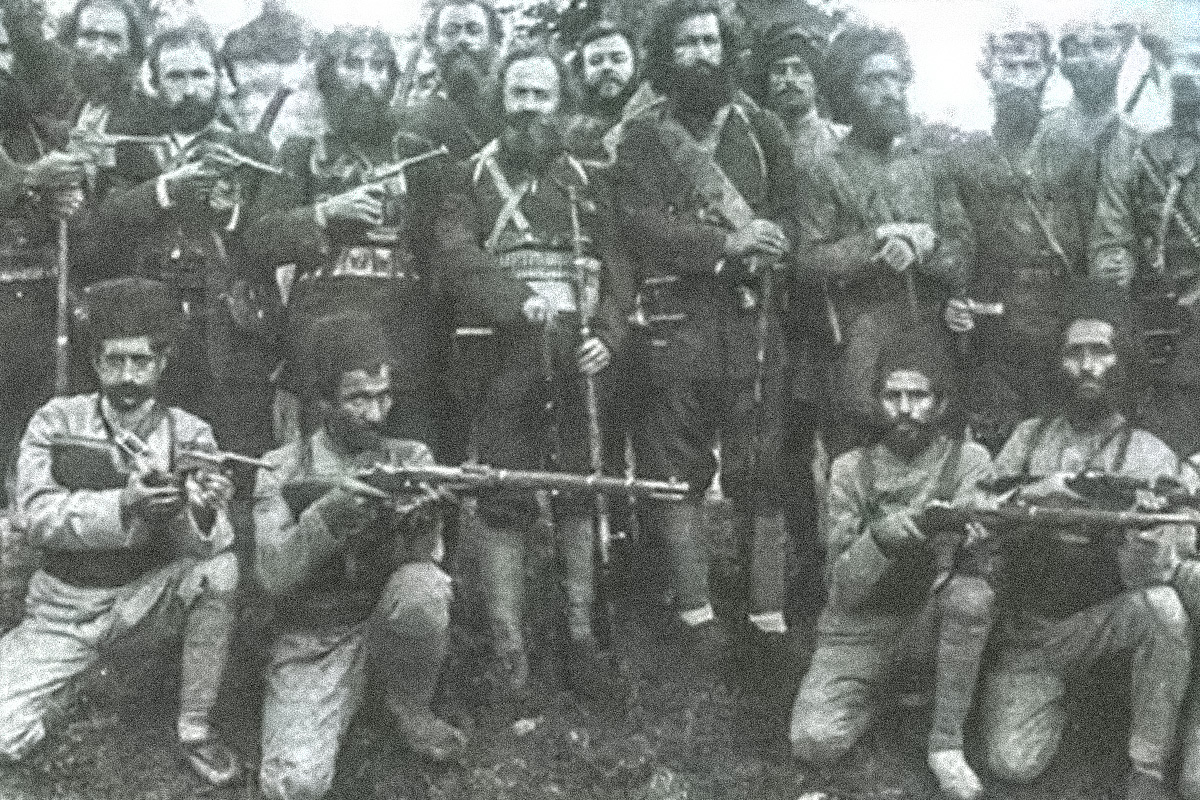
Internally, Iran was still ruled by the Shah, Ahmad Shah Qajar, and the regime was weak. A group known as the Jangal movement formed a united front with Iranian Marxists to wage a struggle against the British and the Shah. In 1920, they won the support of the Bolshevik Red Army who provided weapons and soldiers to establish a ‘Socialist Soviet Republic of Gilan’, located in north-west Iran.
They were preparing to march with a revolutionary army to Tehran, overthrow the Shah, expel the British imperialists, and declare the Soviet Socialist Republic of Iran. For this, they required assistance from the Red Army and support from the working class. However, due to the immense difficulties of the Russian Revolution’s first years and the war’s devastation on the Iranian masses, this could not become a reality.
British imperialism understood that the unpopular Shah needed to be replaced by a reliable and stable imperialist stooge who could lead a counter-revolutionary struggle against the Soviets in Gilan.
In early 1921, an imperialist coup d’etat brought Reza Khan Pahlavi to power and negotiated the Russo-Persian Treaty of Friendship. He maintained friendly relations with the Soviet Union, assuring the Russia-Iran border would be secured against British imperialism as long as the Red Army returned to the Soviet Union.
Khan immediately ruled in Bonapartist fashion. The Shah replaced British officials with his allies in the military, strengthening the state whilst appearing to strike a blow against British imperialism and promising to be all things to all men. Gradually, Reza Khan consolidated his military and political powers, coronating himself as Shah.
In the last analysis, Khan was happy for British imperialism to retain its presence as a reserve weapon to be used against the threat of Bolshevism and to defend his rule.
The horror of WWII
The decades following the discovery of oil saw a huge increase in oil production, rapid industrialisation and the emergence of a working class. This new layer of workers was often concentrated in the oil industry, large factories and textile mills, alongside a class of traders in small workshops.
Reza Shah struggled to placate the emerging working class who worked for long hours for low wages in miserable conditions. Throughout the 1930s the class struggle was heating up and revolution was on the order of the day.
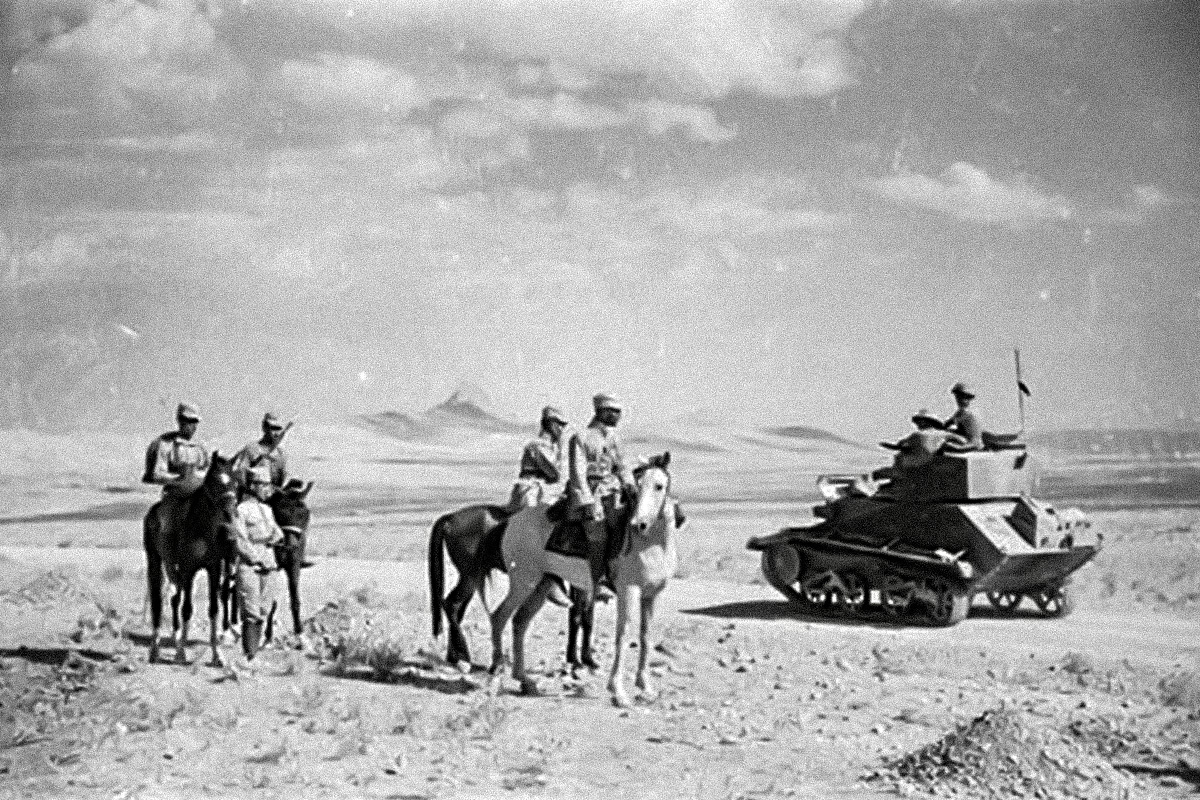
But this process was cut across with the British-Soviet invasion in 1941 during WWII, in which Britain and Stalinist Russia invaded Iran to secure oil reserves, and the use of the railways to transport fuel and supplies. They forced Reza Shah to abdicate as he fled the invasion, placing his son Mohammad Reza Shah Pahlavi on the throne as their imperialist stooge.
This invasion was a catastrophe that led to another famine like that during WWI. According to population figures by the US government, around a quarter of Iranians (up to 4 million people between 1941 and 1944) died due to diseases and famine caused by the destruction of the British-Soviet invasion.
Why did the Soviet Union invade Iran alongside the British?
When Nazi Germany attacked the Soviet Union, US-Anglo imperialism promised the Soviet Union small amounts of aid and support if Stalin promised to dissolve the Comintern and make other concessions, such as the joint invasion of Iran. Stalin agreed. As a representative of the conservative Soviet bureaucracy, he never based himself on the international revolution, but on deals with the leaders of other regimes.
The Soviet Union bore the brunt of the Nazi war machine on the Eastern Front, while Britain and America defended and strengthened their colonies and imperialist interests elsewhere, only waiting until the last moment to open the Western Front. The invasion of Iran was a way for Britain to gain greater control and extract more wealth from Iran’s vast resources.
US-Anglo Imperialism
This brazen exploitation and meddling from British imperialism stirred up a mass movement and a strong anti-imperialist mood developed. Consequently, the disputes over oil sovereignty and Iran’s share of the revenue grew ever sharper.
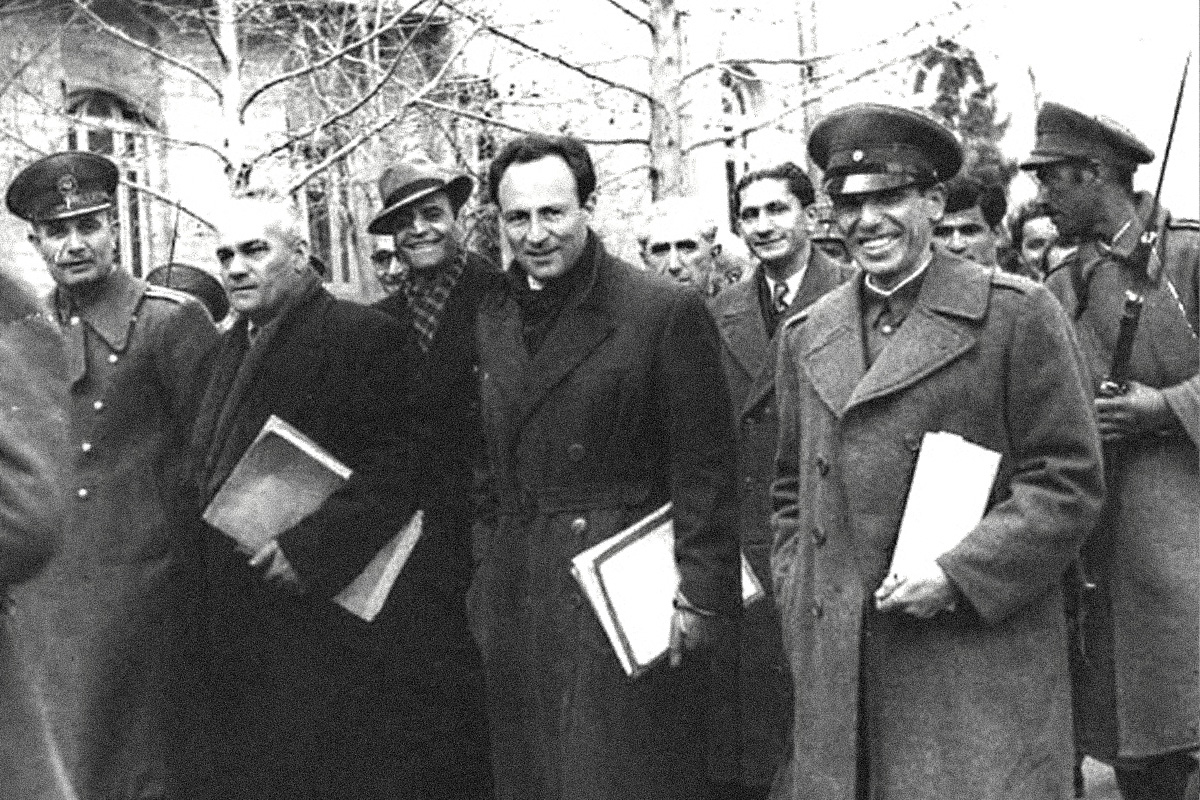
The period following the Second World War saw the rapid development of trade unions. The number of major strikes increased, as did trade union membership.
In such a situation, a revolutionary party could have grown but the Tudeh Party (the Iranian Communist Party) was under the influence of the Stalinist bureaucracy in Moscow. This influence stunted such a development, as Ted Grant explained in 1979:
“The Russian bureaucracy wanted no conflict with American imperialism in Iran because of Iran’s enormous importance as an oil producer. Long ago the bureaucracy of the Soviet Union gave up any thought of revolutionary developments which would threaten directly the vital interests of imperialism, especially of the major power of American imperialism because of the inevitable worsening of relations between Russia and America which would occur under these circumstances.”
Mosaddegh and the 1953 coup
In 1908, Lenin predicted that the ‘age-old plunder’ and struggle against democracy by British imperialism in Iran and across Asia would “…steel millions, tens of millions of proletarians in Asia to wage a struggle against their oppressors…”
This is precisely what emerged, but healthy workers’ states were prevented from coming to birth by the ruinous policies of Stalinism.
In the absence of genuinely revolutionary communist parties, the initiative often fell to nationalists to wage anti-imperialist struggles.
In Iran, a group of nationalists led by liberal nationalist politician Mohammad Mossadegh demanded an end to British control of the oil industry. In 1951 the Majlis (Parliament) voted to nationalise the oil industry. However, the Prime Minister refused to implement it and was assassinated.
Under pressure from the masses, the Shah appointed Mossadegh as Prime Minister. With tensions between Iran and Britain growing, Mossadegh broke off diplomatic relations with Britain. Against a backdrop of strike waves and mass protests, in a major blow to British imperialism, he nationalised the oil industry.
The movement was rapidly increasing in strength and acquiring a political character. The question of power was being posed point blank. Mossadegh naively appealed to the US for economic aid which they refused. British imperialism, despite the loss of monumental oil profits, was too weak to respond to the movement and looked to the US for assistance.
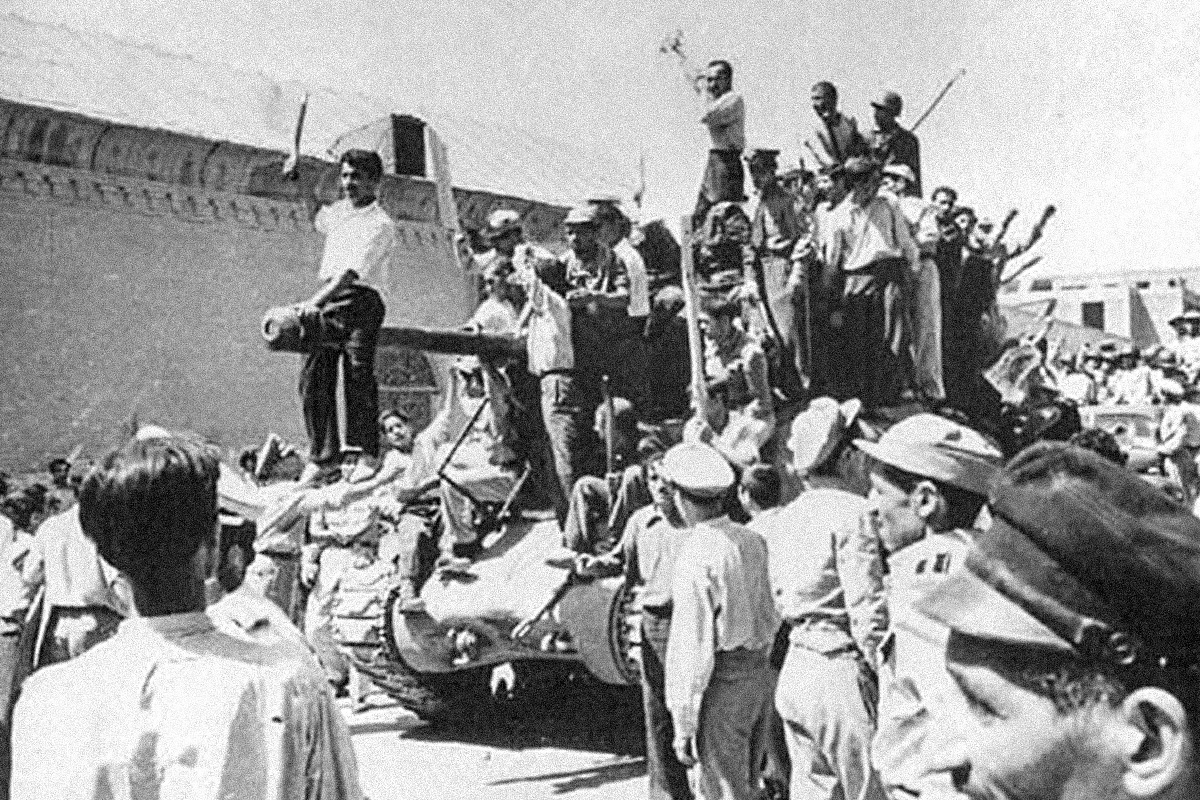
The US and CIA, alarmed by the growing anti-imperialist movement, launched a coup with the assistance of Britain’s MI6 in August 1953. This attempt by US-Anglo imperialism to overthrow Mossadegh pushed Iran into a revolutionary situation.
However, Mossadegh ordered his supporters to stay at home and failed to appeal to the masses to defend the government and defeat the coup plotters. This allowed the coup plotters to rally their forces whose tanks bombarded Mossadegh’s house and deposed him. Under the Shah’s new regime, workers were forced to endure brutal exploitation and terror from the secret police (SAVAK), including the prohibition of trade unions and the Tudeh Party.
The 1979 Revolution
The Iranian oil industry was carved up between US-Anglo imperialism, marking a shift in the balance of imperialist forces in the Middle East, favouring the US. For the next two decades, British imperialism weakened in the Middle East, although it remained dominant in places.
It was in the interest of the Shah to encourage imperialist exploitation of Iran’s oil because of his tremendous share of the profits. The Shah enforced his policy with the whip, using the SAVAK to repress the workers’ movement through extreme terror.
Oil profits allowed the Shah to modernise Iran, but this modernisation was based on the blood, sweat, and tears of millions of workers. Despite ‘modernisation’ and increasing profits, around 60 percent of Iranians were illiterate. Industrialisation created a strong working-class, bitter against the Shah.
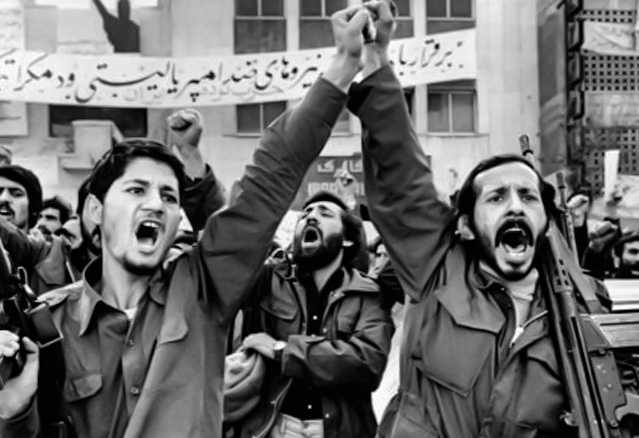
A wave of illegal demonstrations swept Iran in the late 1970s, including millions demanding the removal of the Shah. The revolutionary movement achieved his removal but, like in 1906, lacked a revolutionary leadership to arm the revolution with a Marxist programme.
The inspiring 1979 Iranian Revolution, started by the working class, overthrew the Shah and kicked out US-Anglo imperialism.
However, the initiative soon fell to the religious opposition of the reactionary mullahs headed by Ayatollah Khomeini, at the encouragement of US-Anglo imperialism.
This backfired for the imperialists. Khomeini utilised the popular anti-American feelings to bolster his base before attacking the revolution – the shuras (councils) of students and workers – claiming they were CIA-backed!
Since then, Iran has been in the grip of religious reaction, who falsely depict the revolution as an ‘Islamic’ one, when in fact it was led by workers with socialist demands.
Iran on the brink
For the Iranian ruling class today, the threat of Western imperialism has served as a useful propaganda tool for the reactionary theocracy. US imperialism, along with its foremost ally in the region, Israel, is desperate to destabilise Iran as a means of advancing its imperialist interests in the region.
But the situation is changing on several fronts. US imperialism is in relative decline, which allows regional imperialist powers such as Iran to act more boldly. Additionally, within Iran, the anti-imperialist propaganda is increasingly ringing hollow for millions of workers and youth who identify their class enemies also in the government.
Both of these external and internal factors are part of the same process – the world crisis of capitalism. The workers and youth of Iran have shown the strength capable of overthrowing despotic regimes and will do so again.
In Britain and other imperialist nations, workers and youth must play the role of defeating their imperialist regimes, which would give immense strength and inspire the revolutions, already erupting across the subjugated and ex-colonial countries.