September issue of Socialist Appeal now out!
The new full colour tabloid version of Socialist Appeal is now out. Click here to order a copy of the September (177) issue.

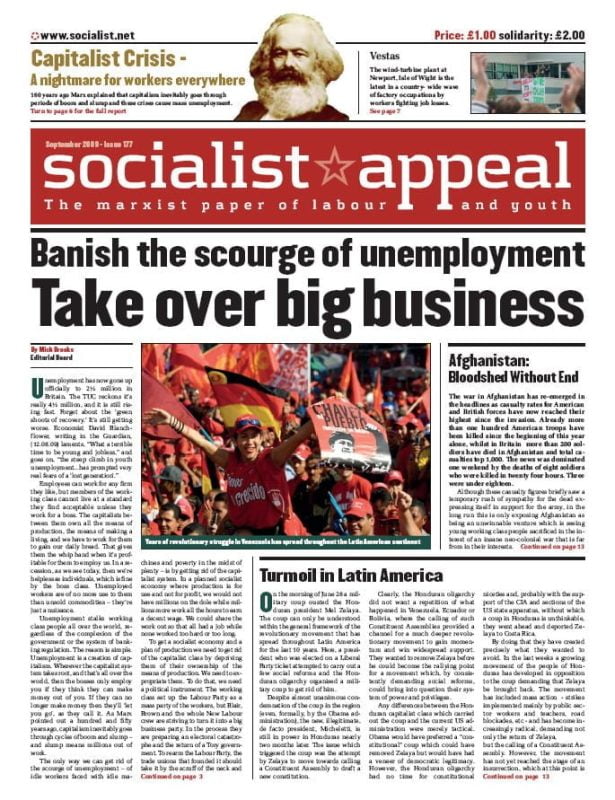
The new full colour tabloid version of Socialist Appeal is now out. Click here to order a copy of the September (177) issue.
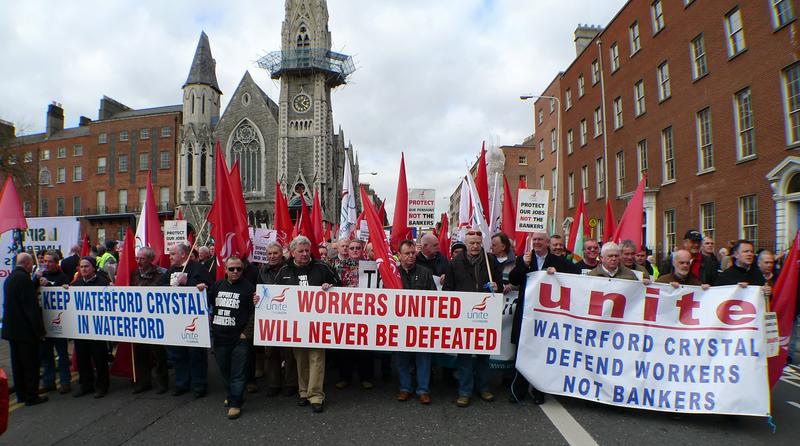
The
stresses and strains in Irish society are increasingly obvious. As we
have explained before the crisis is affecting all layers within
society. More than that it is clear that the consciousness of all
classes has been affected and that big events are being prepared. Séamus Loughlin from Fightback looks at the real meaning of an article published in the Sunday Business Post which reveals much about how the bosses see the current situation.
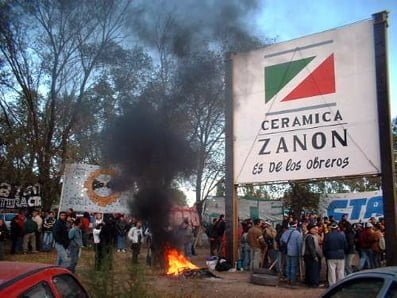
It would seem that the force of the wind, which was blowing at more
than 60 km/hr in the Neuquén capital, was an omen of what was to come.
26 deputies supported the expropriation and this sealed the
declaration that the factory was of public interest and confirmed the transfer of
Cerámica Zanon to the Fasinpat cooperative.
Seventy years ago this month, the world was shocked by the
Stalin-Hitler pact. Ben Peck looks back at what happened and explains
why such an incredible event could take place – and the price that was
paid.
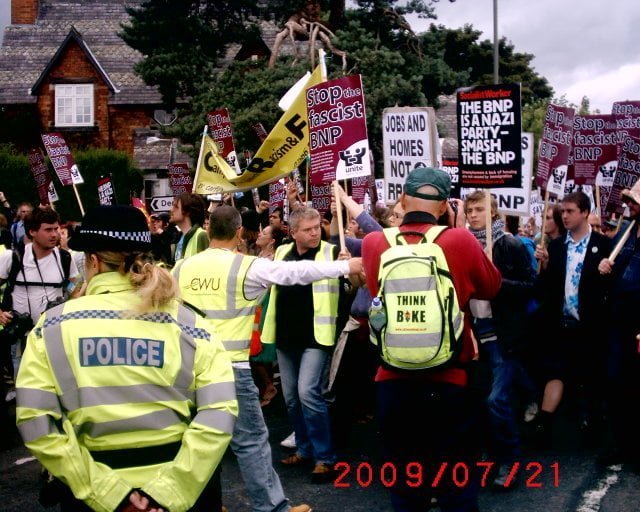
Last Saturday, activists from around the country assembled in the Derbyshire town of Codner to protest at the presence in the area of the BNPs "Hate Fest." Here are two reports by supporters of Socialist Appeal who attended the protest.

During the summer much was made of Tory
leader David Cameron’s unfortunate use of the ‘T’ word during a radio
interview. One cartoonist later commentated that he would have got into more
trouble with the Tory hierarchy had he used a different four-letter word,
‘cuts.’ Cameron has gone out of his way not to give the impression that the
Tories will bring in massive public sector cuts should they win the next
general election. Indeed he has gone on
record as saying that the budgets for overseas aid and – more to the point –
the health service will be protected. Can we believe him? We think not.
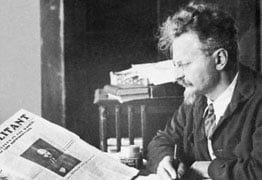
Today marks the 69th anniversary of the assassination of Leon Trotsky. Murdered by the cowardly hands of Stalin’s henchman, Trotsky’s ideas remain as relevant today as ever. We mark this anniversary by reproducing a statement issued by Estevan Volkov, Trotsky’s grandson, ten years ago. In doing so we remember the final words from Trotsky’s testament: "Life is beautiful. Let the future generations cleanse it of all evil, oppression and violence and enjoy it to the full."
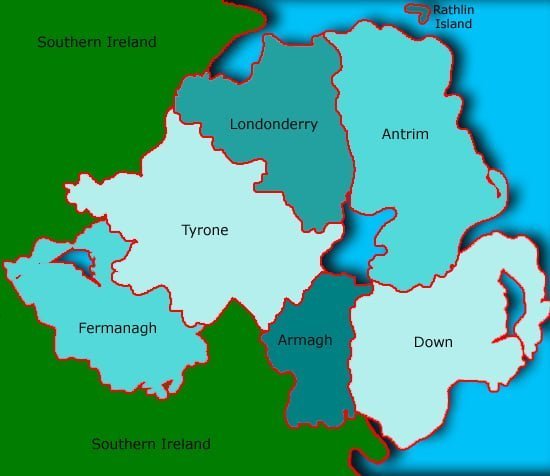
The view
that Northern Ireland had escaped the troubles and that there was a
future based on a booming economy has been fast turned into its
opposite over the last few months. Riots in nationalist areas following
the Real/Continuity IRA attacks on the police and British army as well
as increased violence surrounding this year’s orange marches have
displayed an increase in social and political tensions. These events
were not created in a vacuum and mirror the crisis in the economy.

We are constantly bombarded with the myth that capitalism drives innovation, technology, and scientific advancement. But in fact, the precise opposite is true. Capitalism is holding back every aspect of human development, and science and technology is no exception.
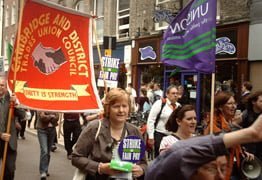
Four members of Unison were recently banned from
holding office after two years of investigations and hearings. They had been
accused of giving “racist offence to members” after using a cartoon of the
Three Wise Monkeys in a leaflet distributed at 2007 Unison conference which
criticised the “ruling out of order” of resolutions relating to pay and
accountability of full-time union officials and financing the Labour Party.

On the 20th July, around 25
workers at the Vestas wind-turbine blades plant in Newport,
Isle of Wight moved to occupy offices in
protest at the planned closure of the site and the possible loss of 625 jobs. 18
days later, on 7th August, the Vestas workers ended the factory
occupation after a court order authorised bailiffs to remove the occupiers.

From this week action
short of a strike has begun with the object of achieving equal pay for Council
women workers in Edingburgh, but not by cutting the men’s wages. The Council see this as an
opportunity to start to make their employees pay for the recession by reducing
jobs and pay, but also adding extra duties onto those still employed. The Refuse Collection workers are the first
to be under attack.