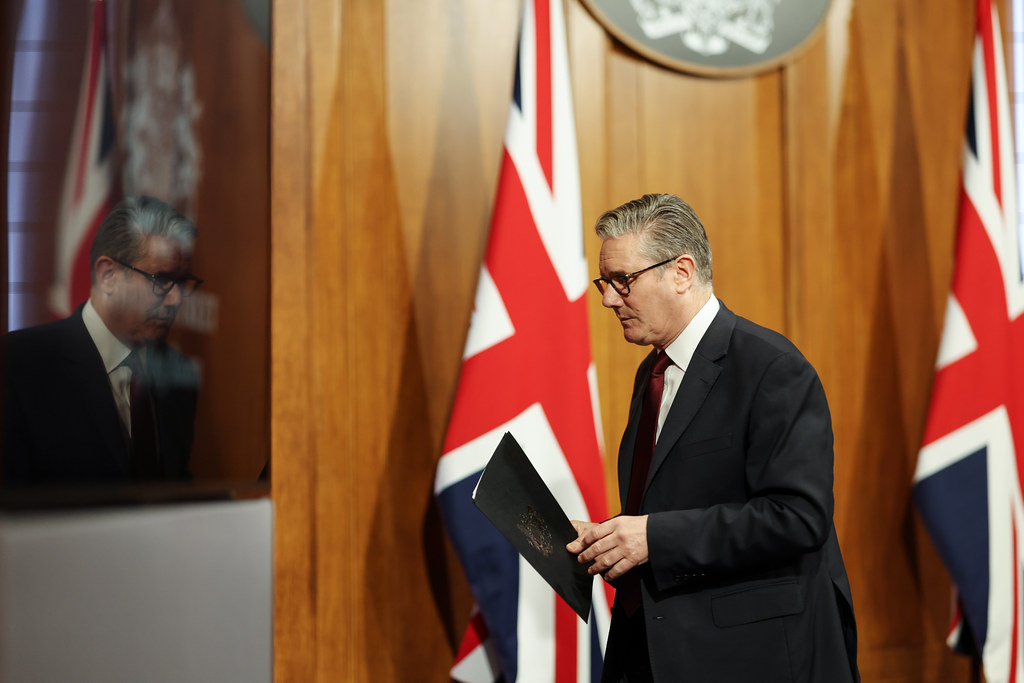

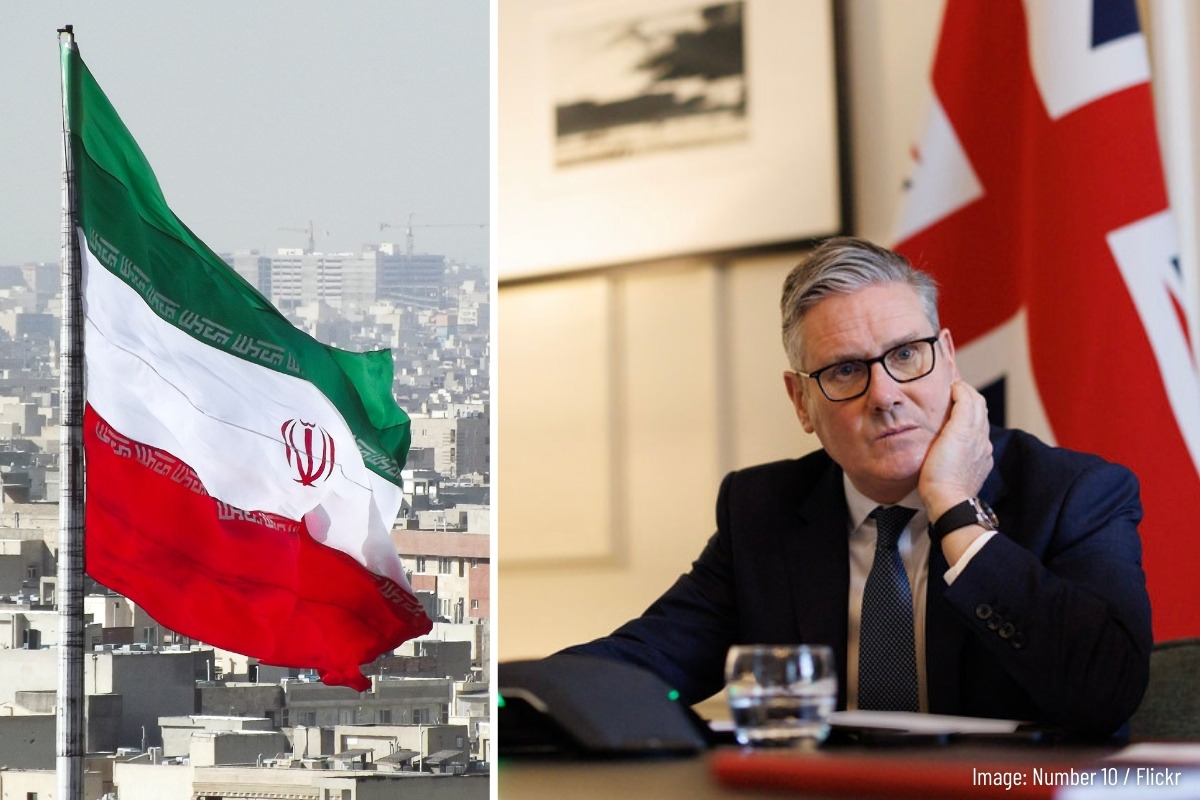
It is undeniable that world capitalism is in a profound crisis. The Iran conflict is the latest hammer blow – following on from many – that has shaken the capitalist system to its core. Even the August Financial Times says that “the Iran war is metastasising into a global economic calamity.”
On all fronts, the warning lights are flashing. The scale and speed of events is breathtaking – leaving the apologists of capitalism blindsided.
Even when the current conflict in the Middle East ends, the long-term effects of this earthquake will be dramatic. The destruction of vital oil and gas supplies, infrastructure, and transport routes is already resulting in an unprecedented energy crisis. This raises the spectre of another world slump, worse than in 2008.
The end of the ‘rules-based order’; the end of the postwar ‘consensus’; the end of ‘globalisation’; the shifting balance of power internationally; Trump’s erratic and reckless behaviour; the rapid decline of Europe; the rise of populism on the right and the left; the hatred for the status quo; the general collapse in living standards: these are not separate phenomena, but are manifestations of the crisis of the capitalist system, on different levels.
The war in Iran is pouring petrol on these flames.
Karl Marx explained that when a socio-economic system is incapable of developing the productive forces, and incapable of taking society forward, it enters into a terminal crisis. That is the situation we face today.
Trump’s capricious actions have certainly exacerbated the crisis. Oil and gas prices have rocketed, with the destruction of energy facilities and the closure of the Strait of Hormuz. The world stands on the edge of a precipice.
No wonder there is a profound sense of dread amongst the ruling class. Lloyd Blankfein, the former CEO of Goldman Sachs, who famously said he was “doing God’s work”, has warned that another meltdown is coming. “It is time to sound the alarm,” states Martin Wolf of the Financial Times.
All the contradictions that have built up over the past are coalescing and coming together in dramatic fashion. Again, this is a reflection of the complete impasse of capitalism globally. In many ways, we are reaching a tipping point.
Perspectives and processes
This is the volcanic background to developments in Britain.
Our task is to understand the stage we are at, and how things are likely to develop. In doing so, we do not approach things superficially, by simply looking at the surface of events. We apply the Marxist method of dialectical materialism, which analyses the process as a whole.
We look at the underlying contradictions operating below the surface. These build up; and as quantity turns into quality, they eventually break through, causing shocks and abrupt turns in the situation.
With our perspectives, we do not intend to make exact predictions. This is not possible. Rather, we aim to simply outline the fundamental processes that are relentlessly propelling society in a certain direction.
Decay and decline
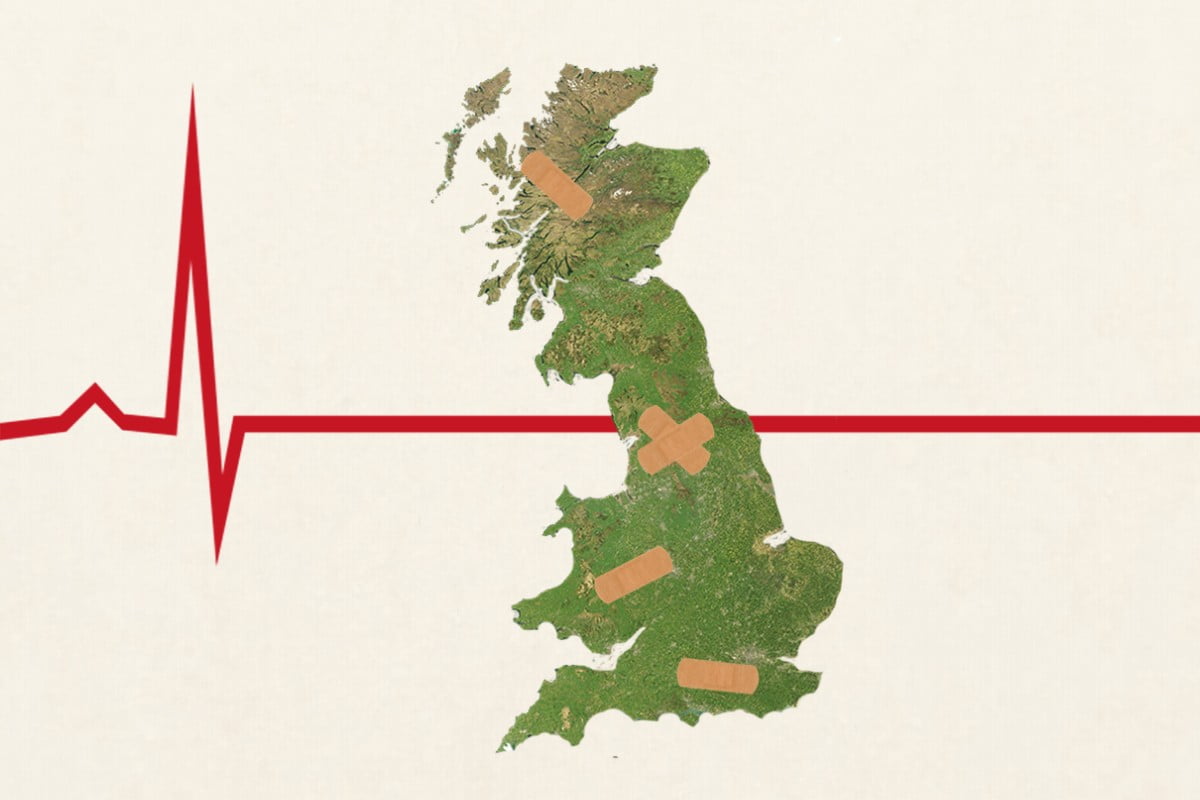
No one can deny that British capitalism is in a dire state. On every index, on all fronts, the UK has suffered a steep decline.
Once the ‘workshop of the world’, Britain has been reduced to a failing, second-rate, ‘middling’ power. This is the result of a complete failure by the capitalists to invest and develop industry, leading the country to fall behind its competitors.
In the years of boom, before 2008, this decline was masked. But in this epoch of crisis, the real, diminished strength of British capitalism is exposed for all to see.
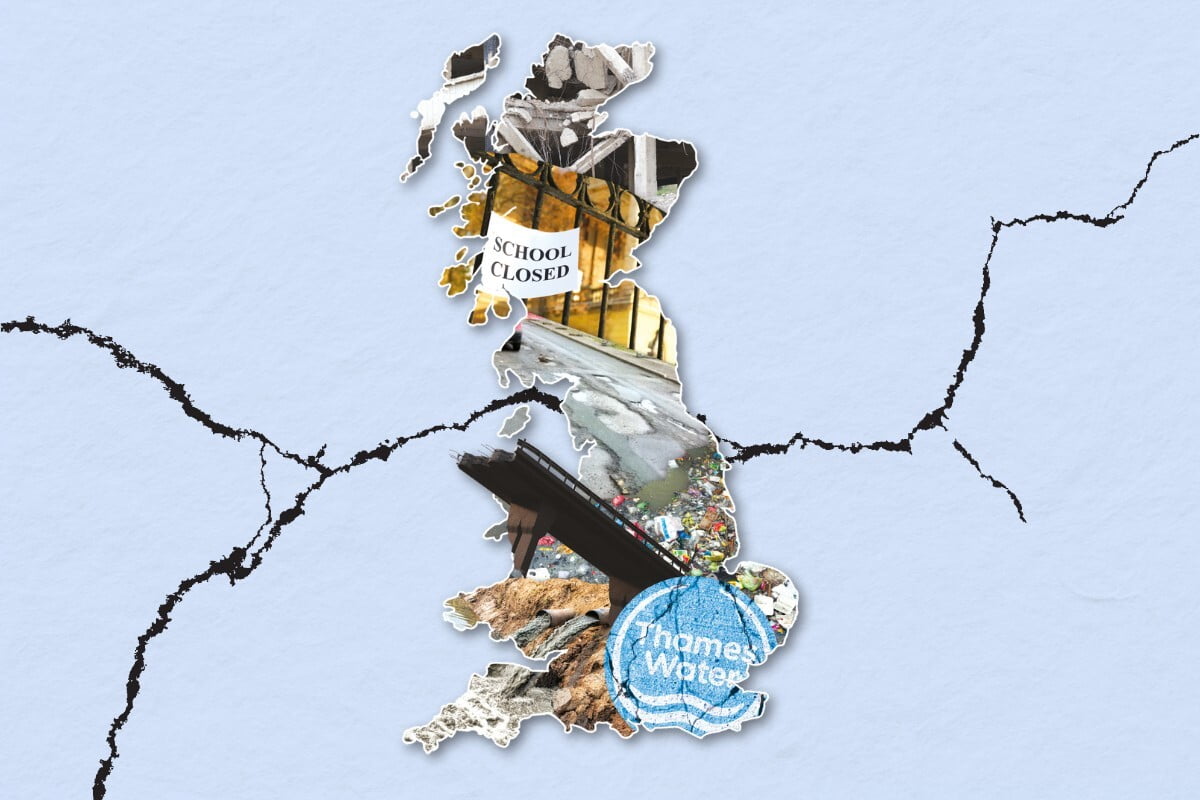
The capitalists have presided over a hollowing out and destruction of industry. Coal, steel, shipbuilding, petrochemicals, cars, and much more besides: all these have been decimated and left to rust.
Instead, myopic investors took their wealth – the surplus value extracted from the unpaid labour of the working class – and put it into speculation, financial services, and opportunities overseas, where there was a higher rate of profit.
They asset-stripped the state through privatisation, and created a class of abject parasites and rentiers. As a result, they have reduced Britain to wrack and ruin – all while presenting the bill to the working class.
Political shocks
Ever since the deep slump of 2008, Britain has faced a whole series of political shocks: the growing support for Scottish independence, and the wipeout of Labour in Scotland; the rise of Corbynism; Brexit; the pandemic; and the rapid fall of successive Tory prime ministers.
We have also witnessed the degeneration of the Tory Party. The ruling class lost control of the Conservative Party, which fell into the hands of “swivel-eyed loons”, to quote David Cameron. This, especially under Boris Johnson, expressed the rise of right-wing populism in Britain.
Although they won a landslide victory in 2019, the Tories, several leaders later, were obliterated in the general election of 2024. From there, they entered into a death spiral.
Throughout this period, there has been an accumulation of discontent and anger in society. The working class has been hammered by years of growing insecurity and falling living standards, with this last decade being the worst on record.
Government of crisis
The hatred for the Tories led to the victory of Labour under Keir Starmer. But this win did not represent any deep-rooted support or enthusiasm for Starmer’s Labour.
Instead, within months and without precedent, distrust rapidly built up towards the government. Ordinary people were desperate for change, but there was no change. In turn, doubt and scepticism turned to anger and rage.
The Labour leaders talked of generating economic ‘growth’, but could not deliver on these pledges. While accepting corporate freebies and gifts from wealthy donors, they attempted to cut benefits to pensioners and disabled people.
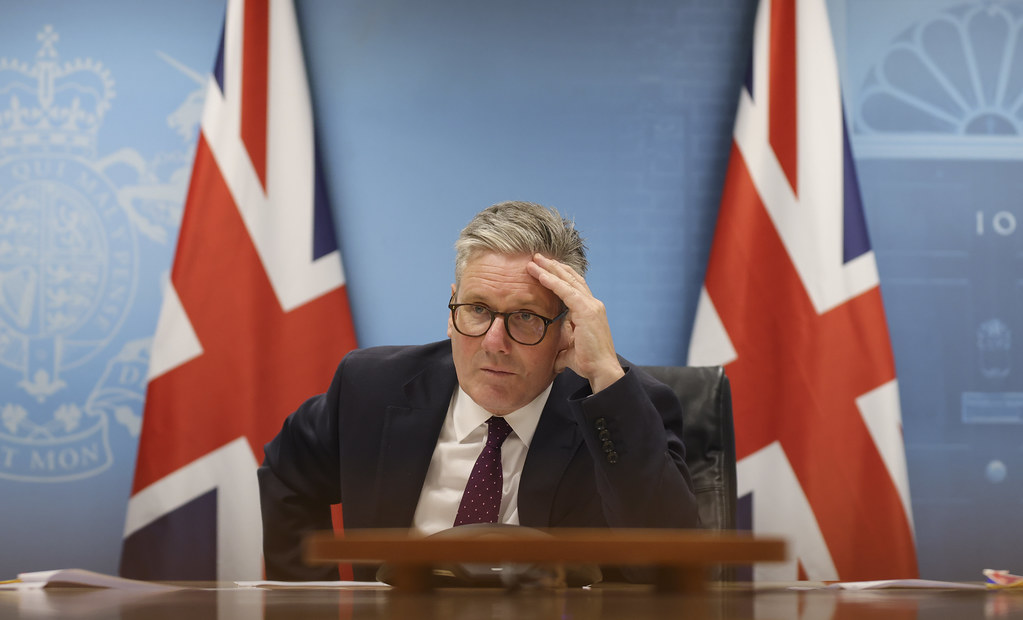
Starmer has pranced around the world stage, acting like a great fool: handing out billions to the Ukrainian mafia, and promising to ramp up spending on defence and war; all while bleeding hospitals and schools back home dry.
He is a shallow man: out of his depth; regarded with contempt and even hatred by most.
All attempts by Starmer to reset his premiership have failed. The economy is in a parlous state; the public finances are rapidly deteriorating; and the Iran war threatens to wreak further havoc on the government’s budget, and on the British economy more widely.
UK public debt is at 100 percent of GDP. And the government already pays £100 billion per year just to service this debt. Meanwhile, borrowing costs are rising to levels not seen since 2008.
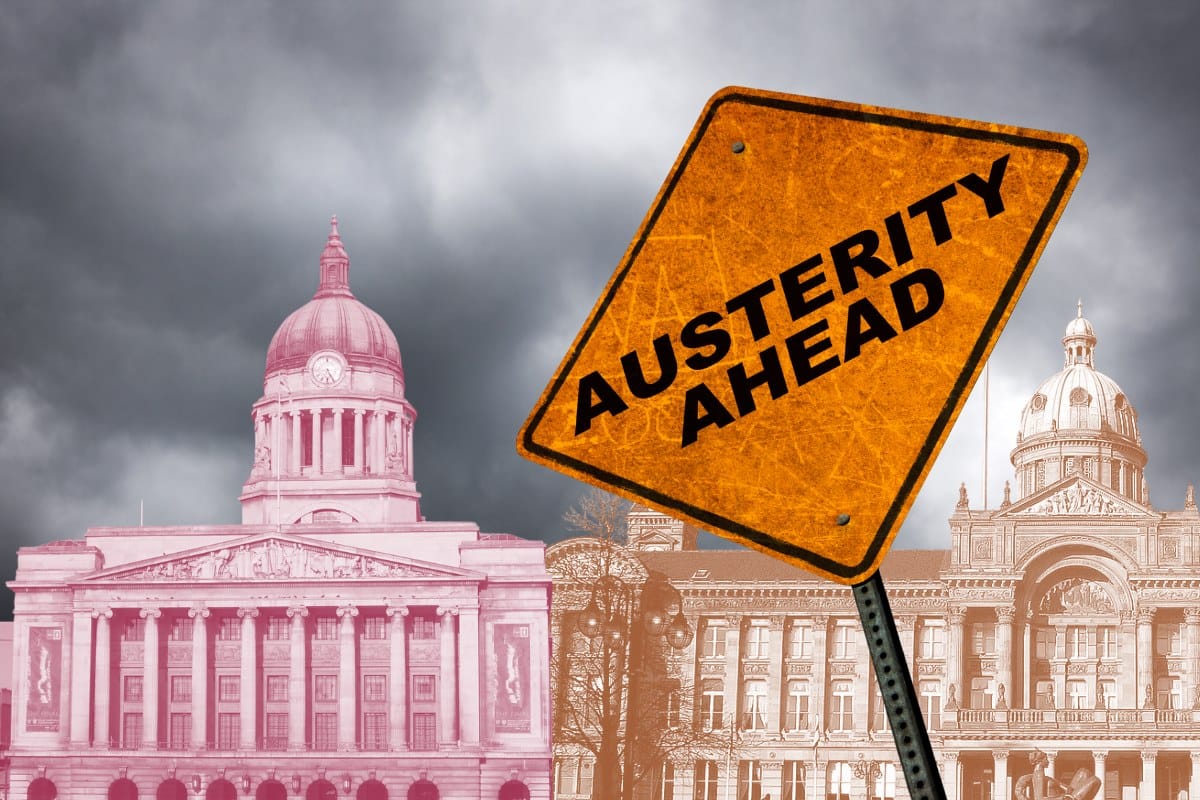
Austerity reigns, as the capitalist crisis deepens. Reforms are off the agenda.
In turn, this economic chaos fuels political instability, with Starmer facing mutinies from his backbenchers over cuts to welfare and more.
Polarisation and fragmentation
You can cut the discontent with a knife. There is a deep-seated feeling of hatred towards Labour and the Tories.
This was reflected in the Caerphilly by-election to the Welsh Parliament in October 2025, where the combined percentage of the vote for these two parties was only 13 percent. Labour managed 11 percent, while the Tories scraped 2 percent – losing their deposit.
Plaid won the seat – which had been held by Labour for 100 years – with 47 percent. Meanwhile, Reform also gained, winning 36 percent of the vote.
This result – the collapse of a former Labour stronghold – was truly earthshattering. It reflected a massive political polarisation and fragmentation, not seen in living memory. The two main parties that have dominated British politics for over a century were humiliated.

This two-party system had provided stability for the ruling class, offering a safety valve for social pressures. This setup had long been regarded as fixed and solid; as a normal part of British political life. But things are no longer ‘normal’.
This upheaval was repeated in the Gorton & Denton by-election, in February this year. Again, this had been a safe Labour seat, with the previous MP sitting on a 13,500 majority. But this was overturned by the Green Party, which captured 40 percent of the vote.
Embarrassingly, Labour was pushed into third place, behind Reform UK on 28 percent. This was another unprecedented result.
The Greens have surged in terms of support, garnering the lion’s share of the anti-Reform and anti-establishment vote.
Under their new left leader, Zack Polanski, the Greens have adopted a more radical image. This has allowed Polanski and his party to partially fill the political vacuum on the left.
This reflects the turmoil in British politics. Electorally, everything has been turned upside down.
Flames of anger
The deepening crisis of capitalism is having a growing impact on people’s lives, and on their outlook on life.
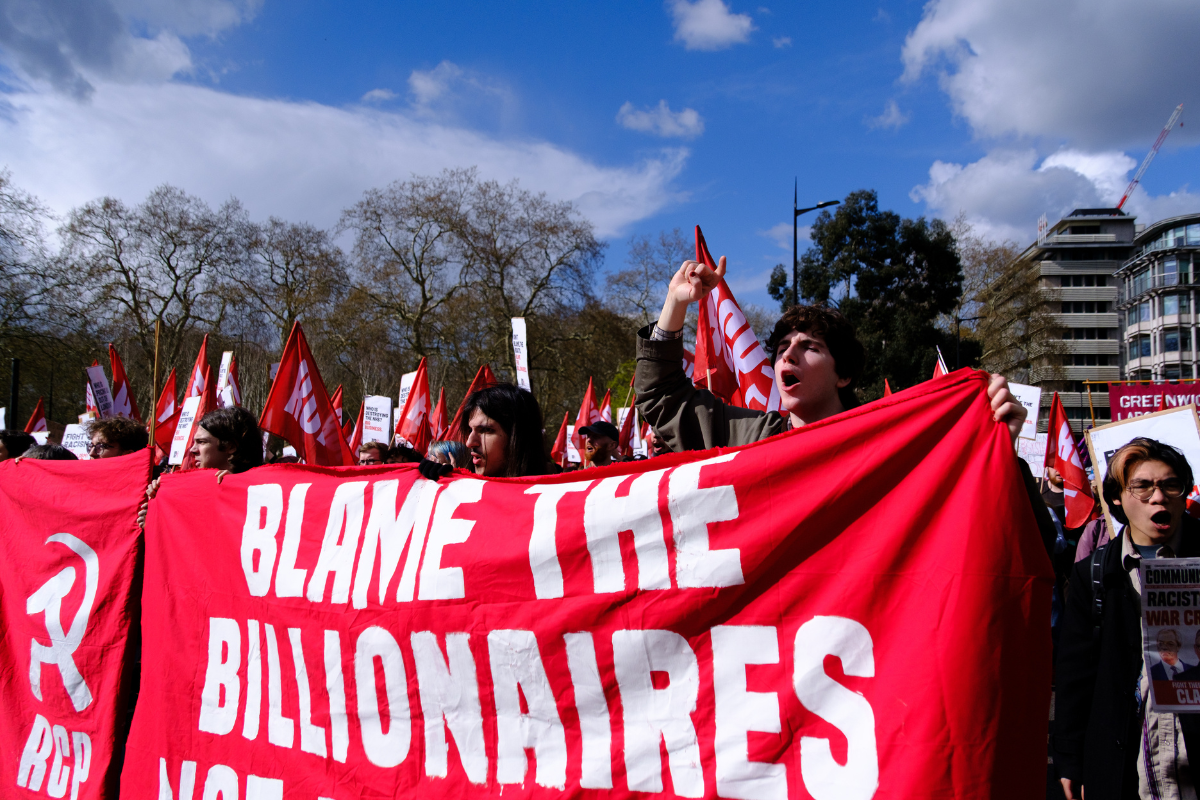
There is seething anger, as the super-rich become even wealthier, while the rest of us find it harder and harder to make ends meet.
The pillars of the establishment are increasingly discredited. A proliferation of scandals is only adding to the profound distrust. There is a growing hatred for the rich and powerful, who are getting away with murder. This is epitomised by the Epstein affair, affecting top politicians, Lords, and royalty.
There has never been such a polarised mood in Britain.
Now, with the price of fuel, energy, food, and mortgages going up, this public anger will be inflamed even further.
Farage and Reform
Given the contempt for Starmer and the Tories, and the failures of the ‘left’, Farage has been able to exploit the situation – tapping into the anti-establishment mood in society.
Appealing to the left-behind working class – and there are many areas of the country that have been left behind, after decades of deindustrialisation – the Reform leader has demagogically preyed on ordinary people’s concerns.
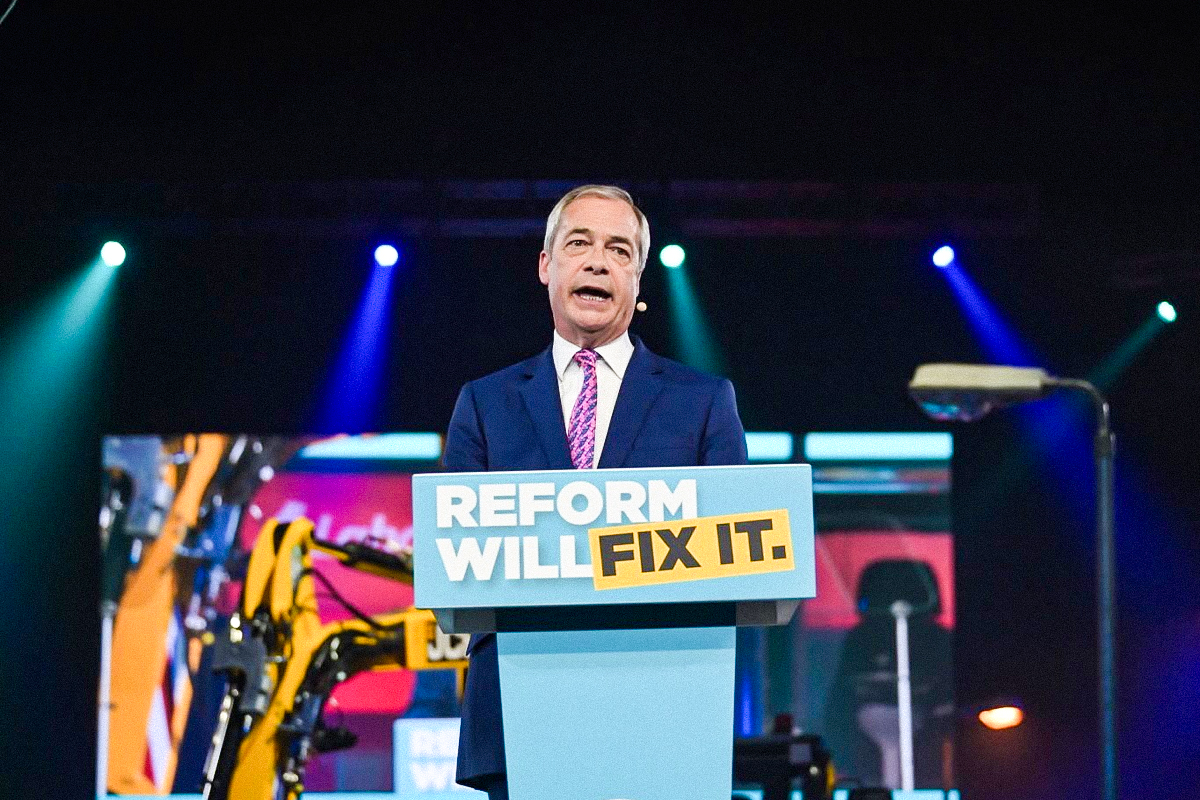
Of course, Farage uses immigrants as a scapegoat for society’s problems, sowing division at every opportunity. At the end of the day, however, Farage and Reform have no solutions to the crisis of capitalism. If they come to power, they will also be found wanting.
For some time, Reform has been ahead in the opinion polls nationally. But by welcoming prominent ex-Tories into their leadership, the anti-establishment shine has come off Farage and his party. The more they do this, the more they are seen as just a Tory Party Mk2 – reducing their attraction to disgruntled voters.
Left alternative
Surveys only ever offer a snapshot of the mood. And much can change in the coming period. Nevertheless, it is notable that the Greens have overtaken Labour and the Tories in several polls, by offering a seemingly viable electoral alternative to both Starmer and Farage.
The policies the Greens put forward today are less about the environment, and more about the cost-of-living crisis. “Instead of working for a nice life, we’re working to line the pockets of billionaires,” stated new Gorton & Denton MP Hannah Spencer in her victory speech, for example. “We are being bled dry.”
It is rhetoric like this that has enabled Polanski and his party to attract large numbers of new members and voters.
The emergence of Your Party, led by Jeremy Corbyn and Zarah Sultana, initially attracted enormous enthusiasm, with some 800,000 supporters signing up in days.
This was rapidly squandered by the party’s leaders, however. Infighting at the top generated disillusionment, with many instead gravitating towards the Greens. Corbyn and his allies have now won the leadership of the party. But the internal squabbling and bickering still continues, and the whole venture is floundering.
Consequently, the Greens have emerged as the main electoral force on the left.
Limits of reformism
Polanski’s attacks on the billionaires and landlords have certainly struck a cord. His solutions to society’s problems fall far short of what is needed, however.
The Greens argue along the lines of taxing the rich and increasing government borrowing. But this is no different to the Keynesian policies – however ‘left’ sounding – that have been tried in the past, and failed.
Such measures represent an attempt to find a solution within the confines of capitalism, which is impossible. The capitalist system is in an existential crisis. This means that counter-reforms, not reforms, are on the cards.
It is precisely the decline of capitalism that has produced the ills facing the working class.
The rich have a million ways of hiding their money. Any attempt to significantly increase public borrowing, meanwhile, in order to pay for state spending and investment, will face the same fate as the Liz Truss government, which was brought down by the ‘bond vigilantes’: billionaire financiers.
“The bondholders are the ones really in charge,” remarks one cynical FTSE 100 chief executive, speaking to the Financial Times. “There isn’t flexibility there. They could destroy the country.”
Only with the expropriation of the capitalist class – including the top 100 monopolies, banks, and financial companies – can the economy be planned in the interests of working people.
Uncharted waters
The next general election is scheduled for 2029. But many things can – and will – happen between now and then.
One thing is absolutely certain, however: the crisis of capitalism will only intensify.
It is clear that Labour faces an electoral wipeout. At present, Starmer’s approval rating is minus 45. He is a dead man walking.
Starmer may soon be replaced, following a disastrous result for Labour in the upcoming May elections. But whoever succeeds him will face the same impossible dilemma.
Angela Rayner, one of the frontrunners to replace Starmer, has already assured the City of London that she would continue with the same economic strategy as Rachel Reeves, the current chancellor. In other words, there will be no real change.
The question is: what government will come next? Clearly, it is impossible to predict the exact electoral arithmetic. Nevertheless, on present trends, Reform could emerge as the party with the most seats in the House of Commons.
Whether Reform can achieve a majority, however, is another matter. If Reform is able to form a majority government, it will be very weak, resting on little public support.
It would clearly be a reactionary government. It would also, however, be a government of crisis – as with Starmer, Sunak, Truss, and Johnson before.
Any attempts to attack the working class would inevitably lead to an almighty backlash, just as Trump has experienced in the USA; in Minnesota, for example.
This would be a recipe for heightened – possibly unprecedented – class struggle.
The whip of a Farage government would only serve to radicalise the situation further. Millions would be drawn into the struggle, especially the youth.
This, in turn, would prepare a massive shift to the left in society. The hatred towards the ruling class and the capitalist system would grow enormously. Britain, as elsewhere, would be set for revolutionary convulsions.
Under these circumstances, growing layers will be drawing revolutionary conclusions. Events, events, events will transform and retransform consciousness.
Historic tasks
It must be said that the old ‘lefts’ are completely washed up and politically bankrupt. The radicalism of these reformists amounts to superficial rhetoric, dressed up with pacifism and moral pleading, without an ounce of revolutionary or class content.
We therefore turn our back on these worn-out cynics and sneering sceptics, whose only role is to sow confusion. They are incapable of struggle. As the Bible says: let the dead bury the dead.
We are confident that the working class will face up to its historic tasks.
At the same time, we pay special attention to the youth – those imbued with a belief in their own strength and in the future.
With the fresh enthusiasm and fighting spirit of the youth, we can be assured of success. Through them, the best elements of the older generation will find the path of the socialist revolution.
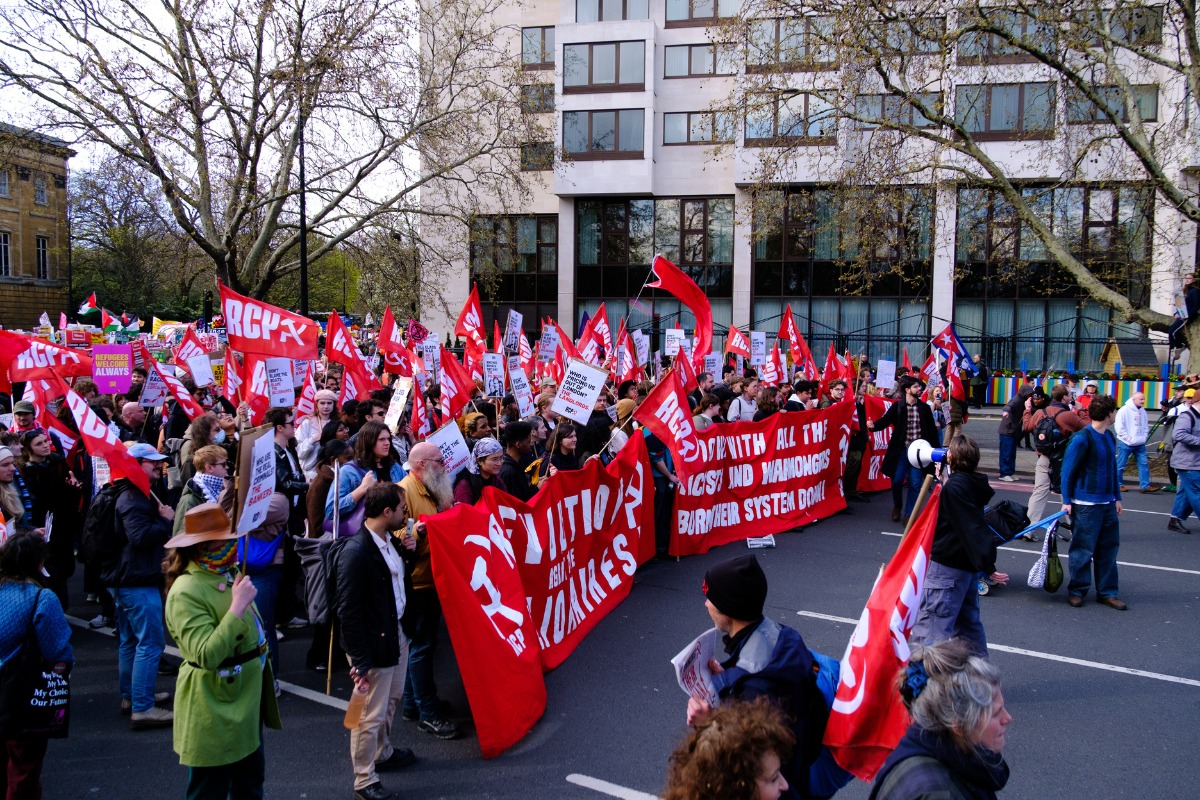
The crisis and turmoil at present is only a precursor to the turbulent epoch opening up. All countries will experience revolutionary upheavals in the period that lies ahead. Millions will be radicalised, in Britain and internationally.
Our task, based on these perspectives, is to prepare for the coming British revolution.
A new, militant leadership of the working class needs to be built in time. This means building the revolutionary party, as the only guarantee of victory for our class.
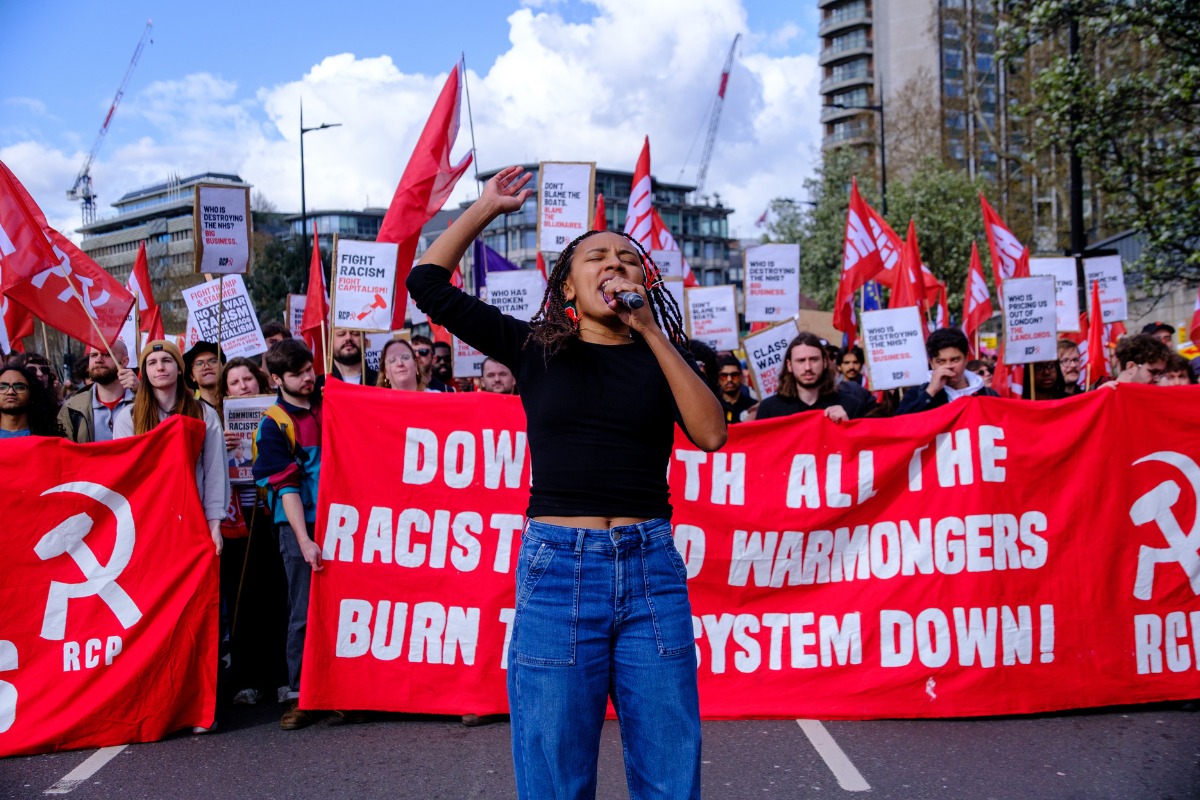
It is in this spirit that the Third Congress of the Revolutionary Communist Party will be taking place in a few weeks time, from 1-4 May – training and educating the cadres and class fighters required for the titanic events that impend.
Next week, we will publish the draft 2026 British Perspectives and Organisational Resolution documents on communist.red. Join the RCP WhatsApp channel to stay up to date with our latest articles.