

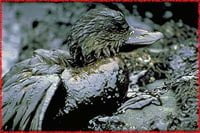
Exxon Valdez: corporate greed and environmental catastrophe
On 23rd March 1989 the oil tanker Exxon Valdez left normal shipping lanes and smashed into the Bligh Reef in Prince William Sound, Alaska. Within hours, the once mighty vessel had spilled over ten million gallons of oil into the icy waters: the largest oil spill in ever recorded in US waters.Over the coming months, around eleven thousand square miles of open sea became contaminated. Local wildlife – many species of which were rare or endangered elsewhere – perished in vast quantities. News reports brought back footage of over 1,300 miles of shoreline turned black and scattered with dead or dying fish, birds, and seals.
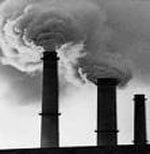
Big business loots carbon trading scheme
The
European Union set up an Emissions Trading Scheme as a market solution to deal
with pollution. Pollution is of course, overwhelmingly generated by big
business (‘market’) activities. Now the scheme has turned around to bite them.As a result
of the crisis, polluting companies have found themselves strapped for cash. So
they’ve cashed in their carbon credits for short term readies.
What is really behind the food crisis?
We are told that there is not enough food for everyone, that
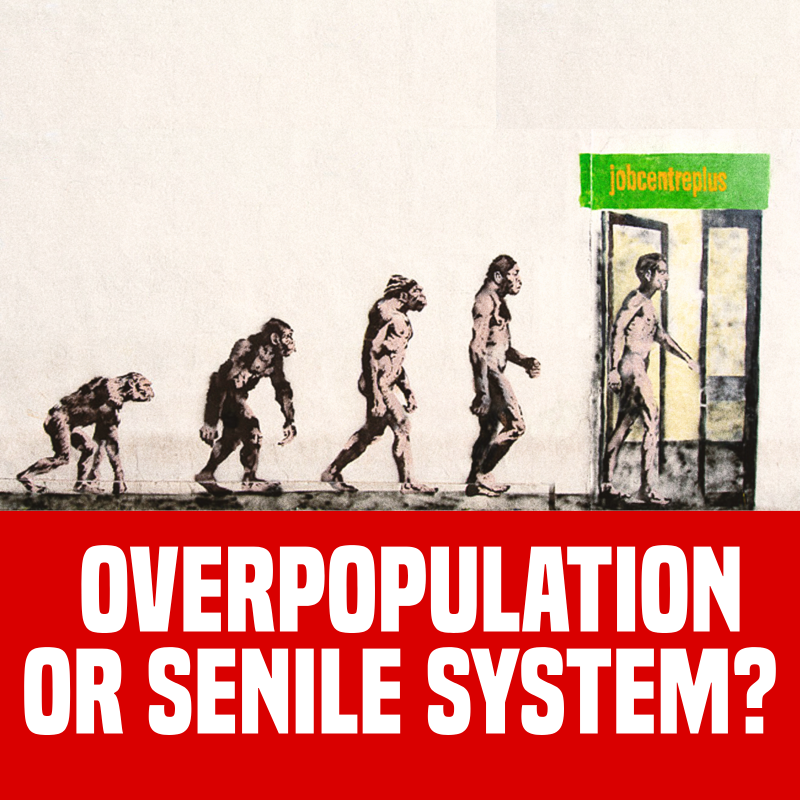
there are too many human beings on the planet and therefore we must all reduce
consumption – a handy idea in the hands of the bourgeois propagandists. The
real facts and figures reveal that the world produces enough food. So where
does the problem lie?