Review: Inside Job
This is an overview of the documentary Inside Job that was recently
shown on the BBC. As one interviewee commented regarding the path
Iceland had taken from 2000 onwards, “Nothing comes without
consequence.”

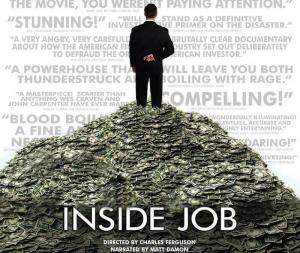
This is an overview of the documentary Inside Job that was recently
shown on the BBC. As one interviewee commented regarding the path
Iceland had taken from 2000 onwards, “Nothing comes without
consequence.”
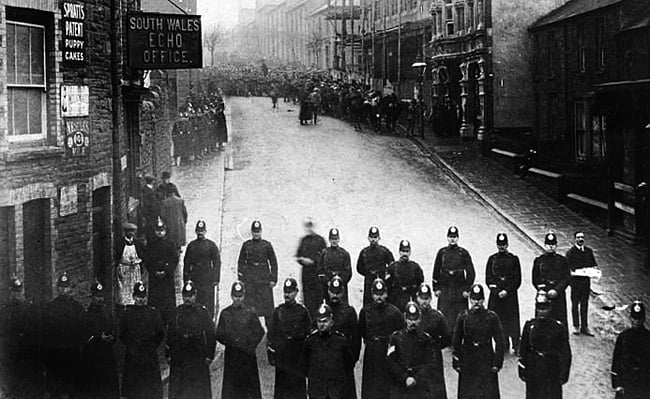
The Great Unrest is the term used by historians to describe
the period a 100 years ago when
Britain saw many industrial conflicts such as the Cambrian Combine Strike, the
Tonypandy Riots and many other struggles.
In Wales there was also a major dispute in the Cynon Valley and riots in
Llanelli during the Railwaymen’s strike. Strikes occurred in Clydeside, London,
Liverpool, Hull and many other towns and cities throughout the land. Important ideas were developed
and discussed during this period which had a profound affect on the Labour and
trade union movement.
Darrall Cozens, a member of the UCU and Coventry NW Labour
Party, considers what we need to learn from these events.
Ed
Miliband’s leadership of the Labour Party is turning into an elaborate
parody of the emptiness of reformism. With capitalism unable to afford
any reforms, he is like the school pupil who works extremely hard to
avoid working whilst giving the impression of being studious. He is
trying very very hard, tossing and turning, to give the impression that
reformism can work without any actual reforms. Unfortunately for Ed, in
this case the illusion does not work.

The government has been hard at it coming up with new ideas to punish those who are unemployed and on benefit. The latest such idea involves forcing people to work for nothing or starve. This is now being legally challenged as it breaks laws against bonded labour i.e. slavery!
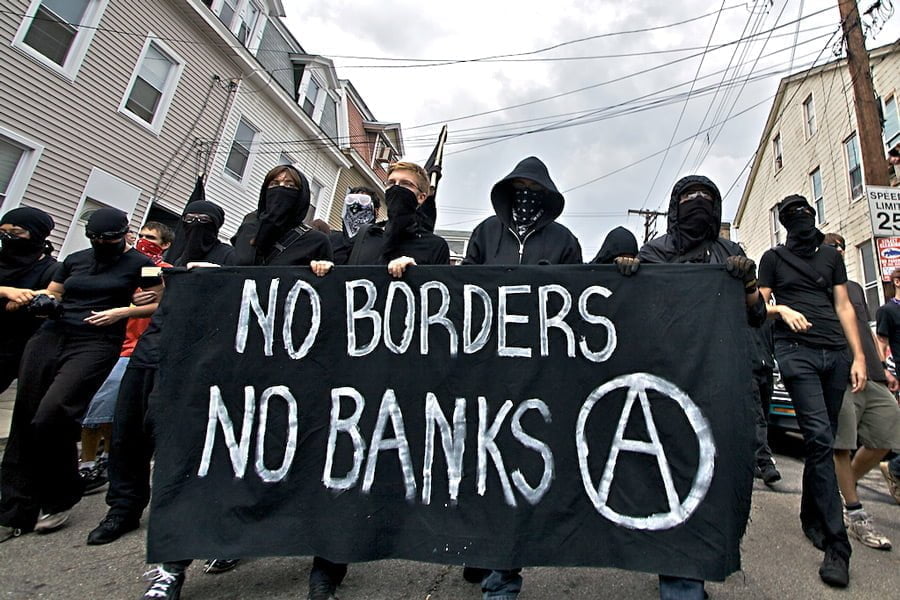
Alan Woods contrasts the ideas and methods of Marxism with those of anarchism, focussing on questions like revolutionary leadership, spontaneity, and the state.
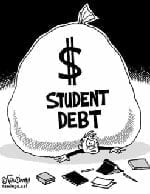
This is the year universities in
England are allowed to charge their UK based students £9000 for studying
for just one year. With most undergraduate courses lasting 3 years this
will mean that students may have to pay £27000 for tuition fees. This
doesn’t include the cost of living away from home. We probably will see a
major increase in students either living from home and going to more
local universities, or people will sadly sacrifice university education
altogether.
When Tony Blair left office (and then parliament itself) he set about
doing what all ex-PMs tend to do – earn a little bit of extra cash.
Well, as it happens in Tony’s case, quite a lot of extra cash.
Just 10 years ago, 88 of the top 100 companies in the UK offered final
salary pensions. Today Shell is the last company in the FTSE 100 to
offer such a pension to its new employees.
There are many ways to judge the health of a society. The speculators
in the European Bond Markets judge the health of nations by the state
of their public finances; socialists and trade unionists point to the
way that old people and children are treated and especially the position
of women in society. Economists look at the volume of imports and
exports and at the rate of economic growth. One measure looks at the
scale of inequality within society.
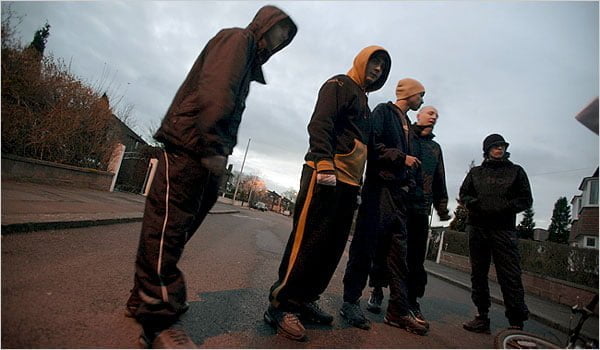
From time to time governments like to pretend that they are indeed aware
of the problems of society and truly wish to resolve them. This normally
takes the form of some announced "action" or "task force" aimed at
getting to grips with whatever problem they have identified.
The world is changing rapidly before our eyes.
Over the last 12 months events have been unfolding with breathtaking
speed.
Here are some links to pictures and reports of the Nov 30th Day of Action.