Providing answers
I was only 9-years-old when I was radicalised on the question of Palestine – after watching a child my age, Mohammad Al Durra, being shot on live TV by Israeli soldiers.
I didn’t become a communist until 20 years later, but that moment marked a turning point in my life and set me on the path to becoming a devoted Palestine activist and an ardent anti-imperialist, leading me to Marxism.
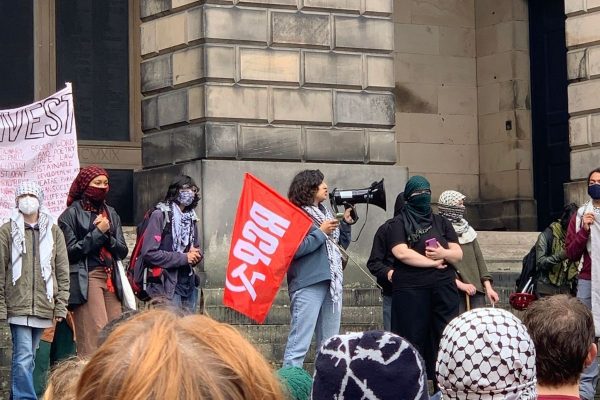
For 20 years, I tried everything: protest, raising awareness, small reforms, direct action, and boycott. I chalked the lack of meaningful change to “how things are”; but I was getting more and more frustrated, dejected, and angry.
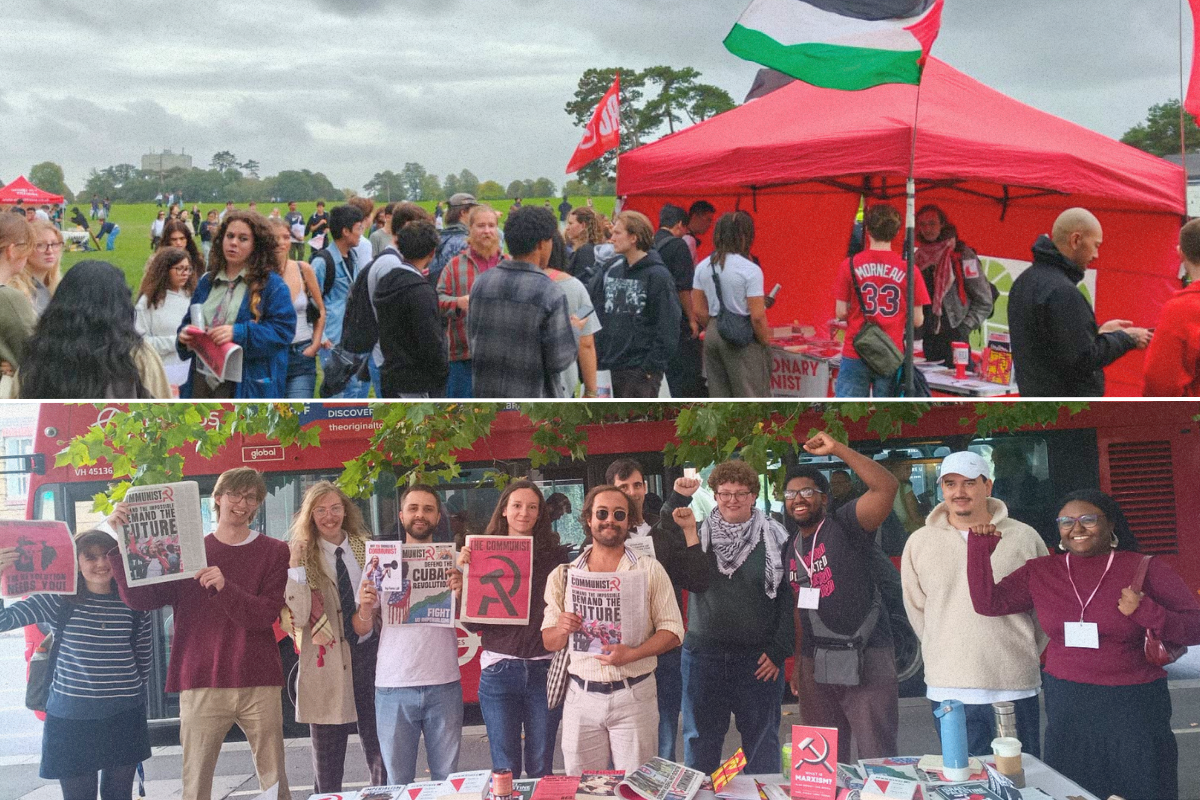
It was only after encountering the communists in Edinburgh that I was able to have a real discussion and find answers for questions I had for a long time: why were the US, Israel, and other imperialists this way? Why is Palestine still occupied? How can we actually change things?
Only the communists were not afraid to tell me the truth, were uncompromising about their principles, and really got to the root of wars and oppression.
My veins still burn with anger, but my heart is full with hope that only comes from understanding the world and knowing what to do to change it.
I’m fighting and marching alongside the communists because I want to free Palestine and free the exploited and oppressed everywhere. I’m fighting the billionaires, the imperialists, and the system they represent.
Sara Al Disi, Edinburgh
View this post on Instagram
Revolutionary optimism
I have been protesting the atrocities in Palestine for some time. It has always been a cause that deeply moved me, the kind of injustice you simply cannot turn away from.
I was used to attending protests alone, but when I saw another activist group organising coaches to London, I decided to join them. In return for their hospitality, I was asked to help carry their banner.
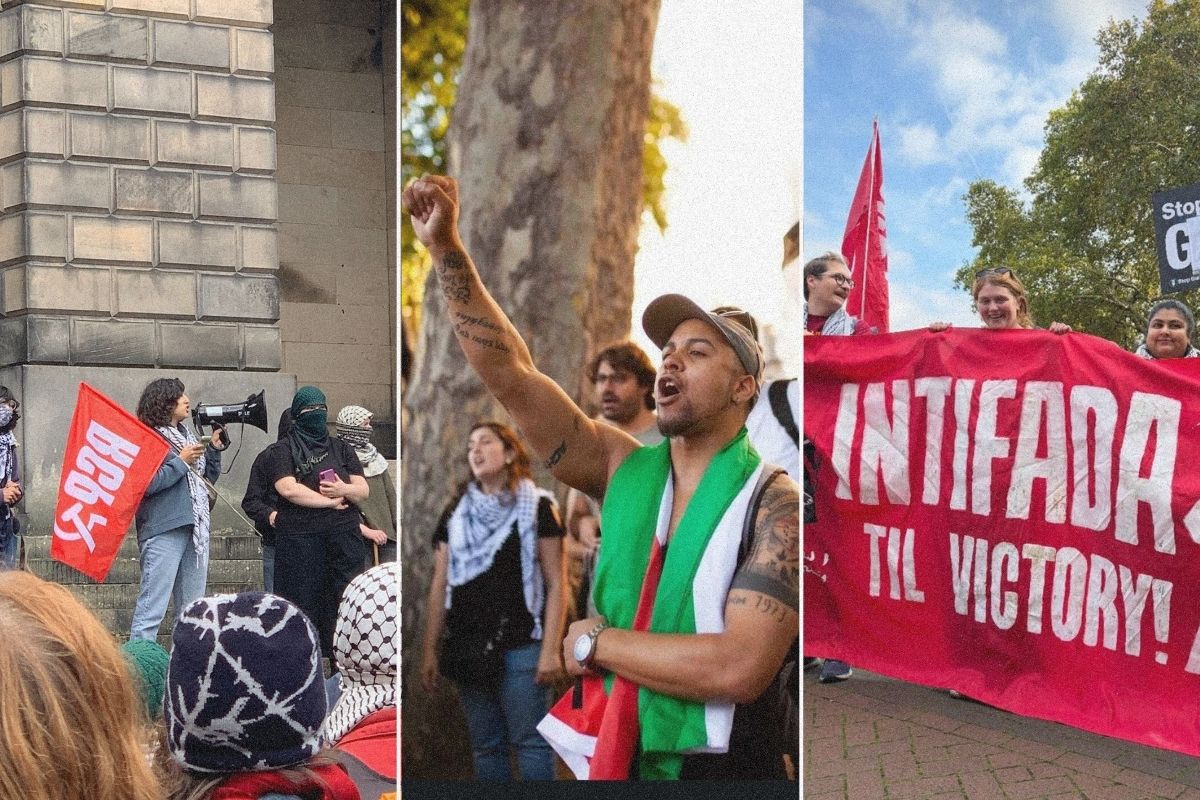
The march was immense. There were floods of people behind me and oceans of people ahead. As I stood holding the banner, I heard a roar rise above the crowd. These were not just chants: they were the voices of people united by conviction. When I turned around, I saw the Revolutionary Communist Party (RCP).
What struck me immediately was that they were not merely repeating slogans. They truly believed every word they chanted.
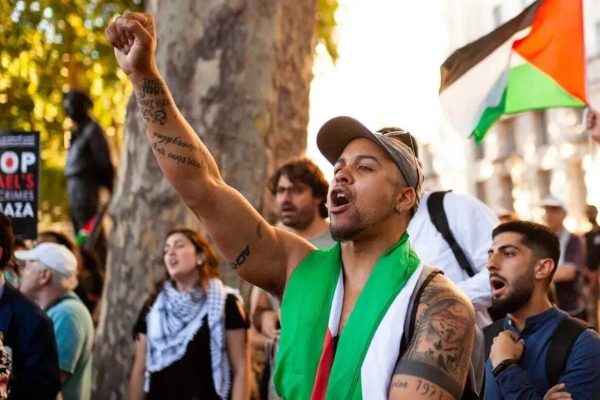
Curious, I stepped away from the banner. I wanted to know whether this level of passion, unity, and determination existed elsewhere. What I found was that the RCP stood apart. They were disciplined, knowledgeable, and committed.
Conversations with members revealed people who had studied political movements, revolutionary figures, and the lessons of history. Their activism was grounded in understanding as well as action.
From that moment, everything changed. One decision led me to comrades in London, then Birmingham, and later Leeds. Since then, wherever the RCP has gone, I have followed. They transformed my understanding of activism.
What was once solitary attendance at marches became something far greater: a commitment to strategy, political education, and collective struggle.
I found not just an organisation, but a community of comrades united by purpose, conviction, and the belief that ordinary people have the power to change the world.
Javier, Leeds
Connecting the dots
I first met the RCP following the kidnapping of the second flotilla to Gaza. I had felt a sense of horror and despair at the two years of genocide, readily broadcast to the world.
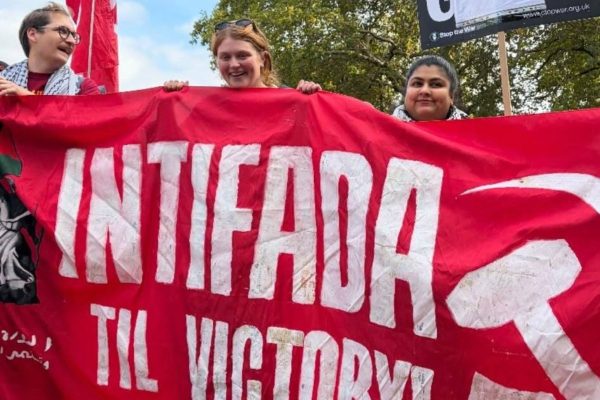
I messaged local groups supporting Palestine asking if they were planning any demonstrations, they were not. The RCP was the only group organising immediately to protest.
I was beginning to feel dejected and without hope. The solutions presented – boycotting, signing petitions, emailing MPs – seemed fruitless.
But listening to the speeches that day, I was presented with a class position on Palestine for the first time. The dots were connected for me between all the issues I had spent so much time worrying about: the climate crisis, imperialism, militarism, the cost of living crisis, and the genocide in Gaza all shared the common thread of capitalism.
I was able to ask questions and express my frustrations and speak to people who had a fervent belief that there was a clear path to Palestinian liberation.
Meeting the RCP allowed me to feel a hope for the future, grounded in a historical understanding of the working-class movement across the world.
Ruth Baker, Cambridge