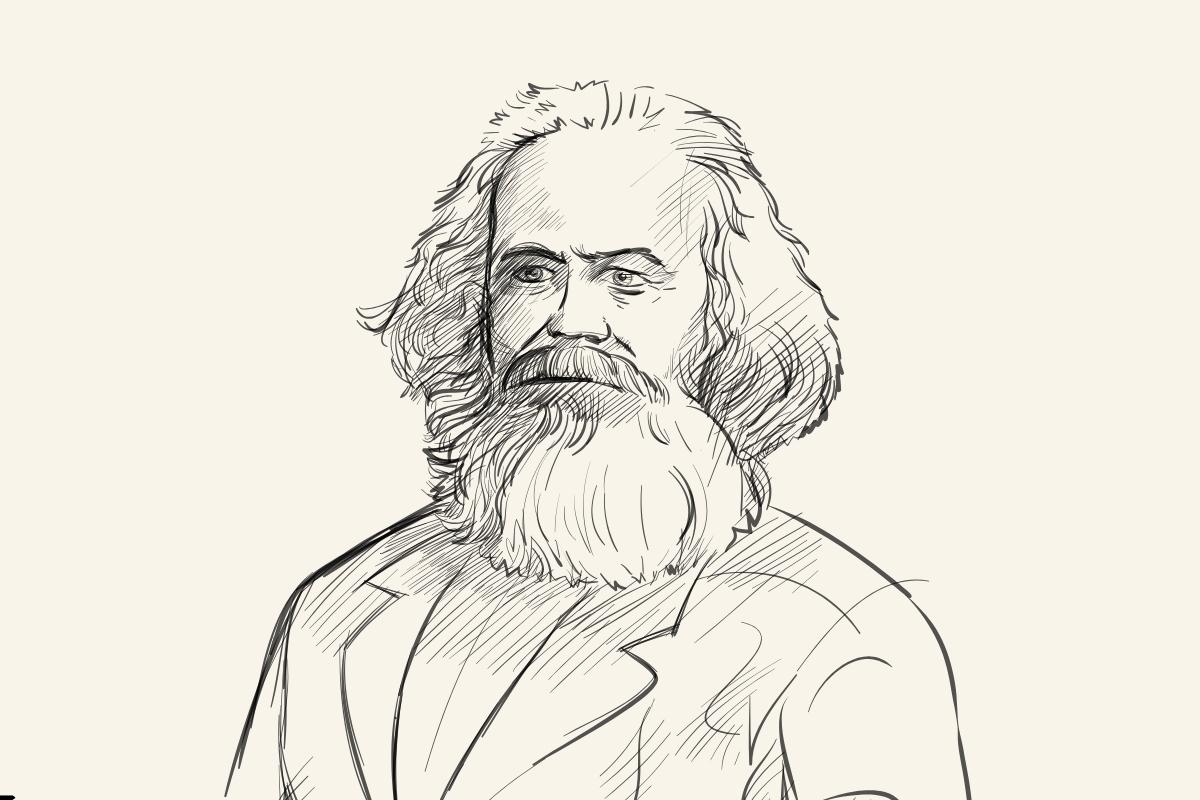
UCL’s “Introduction to Political Philosophy” module, when teaching Marx, ignores his writings and ideas. Meanwhile, liberals like Thomas Hobbes, John Locke, and John Rawls receive pride of place.
The UCL philosophy department treats Marx as a footnote in the very lecture devoted to him. The Communist Manifesto is assigned as “background reading” – something to skim before the real lecture.
View this post on Instagram
Primary reading is by Rahel Jaeggi, an academic theorist who empties Marx’s philosophy of its revolutionary content, and hands students back a seminar question instead.
For example, Jaeggi reduces Marx’s understanding of exploitation to a “technical-analytic concept” – an intellectual curiosity to be weighed and considered, rather than something organically built into the process of capitalist production itself.
She insists that even a scientific, materialist analysis of capitalism secretly smuggles in subjective moral concepts (‘normativity’). UCL’s module dutifully follows her attack, informing students that “a conception of justice is external to a given form of life” – meaning the exploitation inherent within capitalism is not unjust.
Students are even told that Marx’s explanation of alienation might be dismissed as “mawkish” (overly sentimental) – and a symptom of “modernity”, not of capitalism.
This is not an accidental oversight. Such attacks – which exist in many politics and philosophy departments across the country – are aimed at systematically disarming Marxism: stripping the theory of its class content and its revolutionary conclusions. What remains is safe enough to examine, before the seminar swiftly moves onto the next thinker.
Compare this to the treatment of Hobbes, Locke, Bentham, and Rawls: each of them deserve full primary readings and pride of place within the module. Each of these thinkers imagines the state as a neutral referee between (de-classed) individuals.
Not one of these thinkers treats the state as what Marx shows it actually is: the machinery through which the ruling class consolidates and exercises its power.
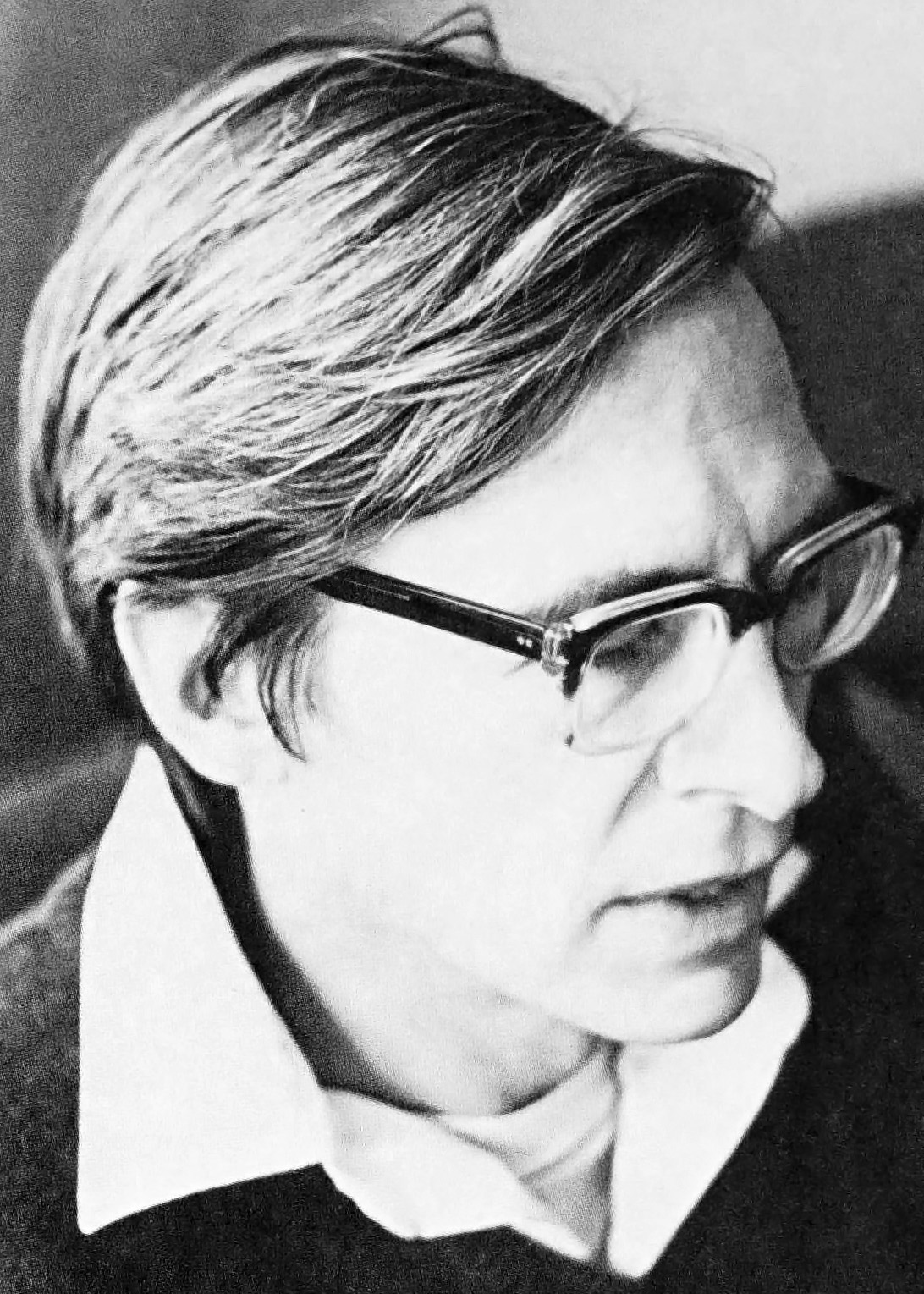
John Rawls, a twentieth-century American academic, is the clearest example of liberal philosophy’s idealist nature. His entire philosophical system ignores the real social relations and historical processes which shape the state. If we want to arrive at the perfect society, he argues, all we must do is imagine we are designing a society from behind a ‘veil of ignorance’, where we are unsure of what our position will be within it. It just so happens that Rawls’ imaginary society looks just like an idealised liberal capitalism!
Writing in the early 1970s, Rawls never thought to make mention of the war his own state was waging against the Vietnamese masses, or the violent anti-communist dictatorships it propped up across South-East Asia.
None of this is confined to one lecture. This is the method of an entire discipline that treats ‘political philosophy’ as ethical choices floating in a realm of ideas, freed from any relation to class, production, and revolutionary struggle. Such liberal apologetics have no use for a generation radicalised by war, genocide, and climate breakdown.
Why are Hobbes and Rawls trusted with their own arguments, while Marx is handed to us only in fragments, and his conclusions quietly amputated?
Students deserve better than a philosophy that cannot even name the class it defends.