Marxism vs postmodernism
Yola Kipcak combats the reactionary ideas of postmodernism, which rejects the possibility of understanding the world, emphasises the need for a rational, scientific approach in the form of Marxism.

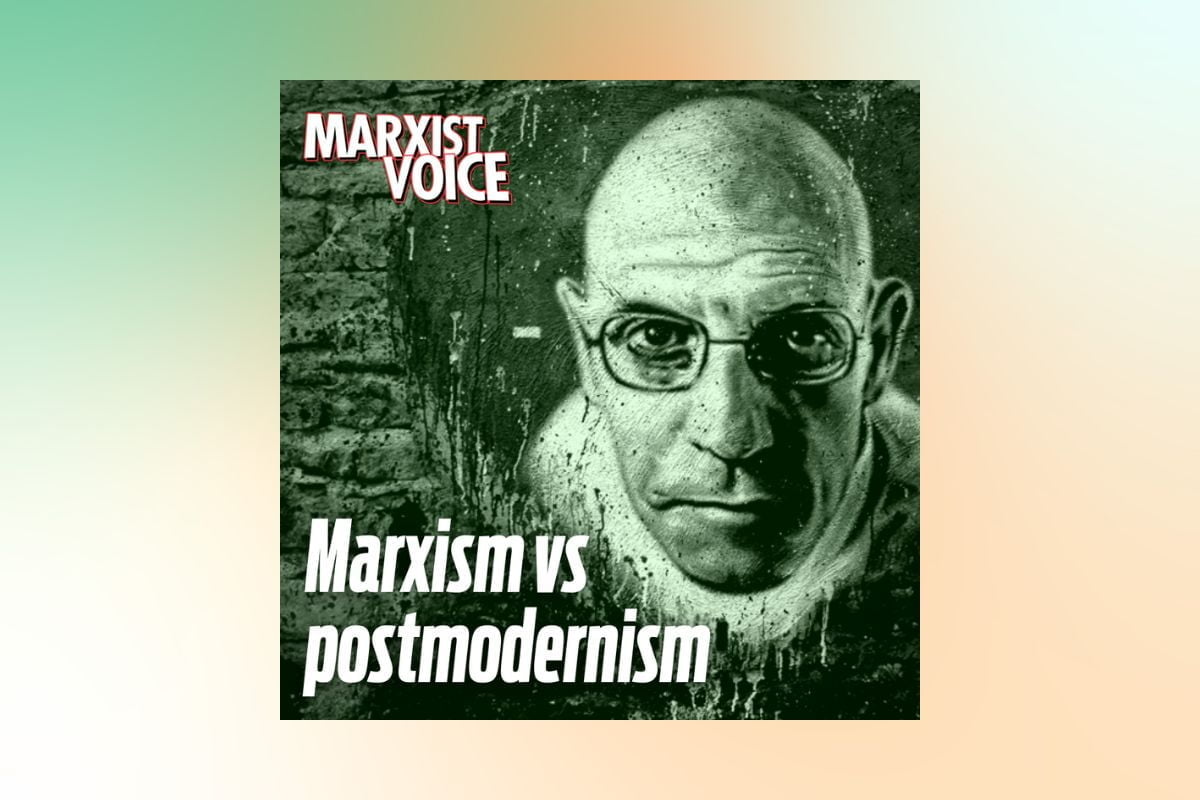
Yola Kipcak combats the reactionary ideas of postmodernism, which rejects the possibility of understanding the world, emphasises the need for a rational, scientific approach in the form of Marxism.
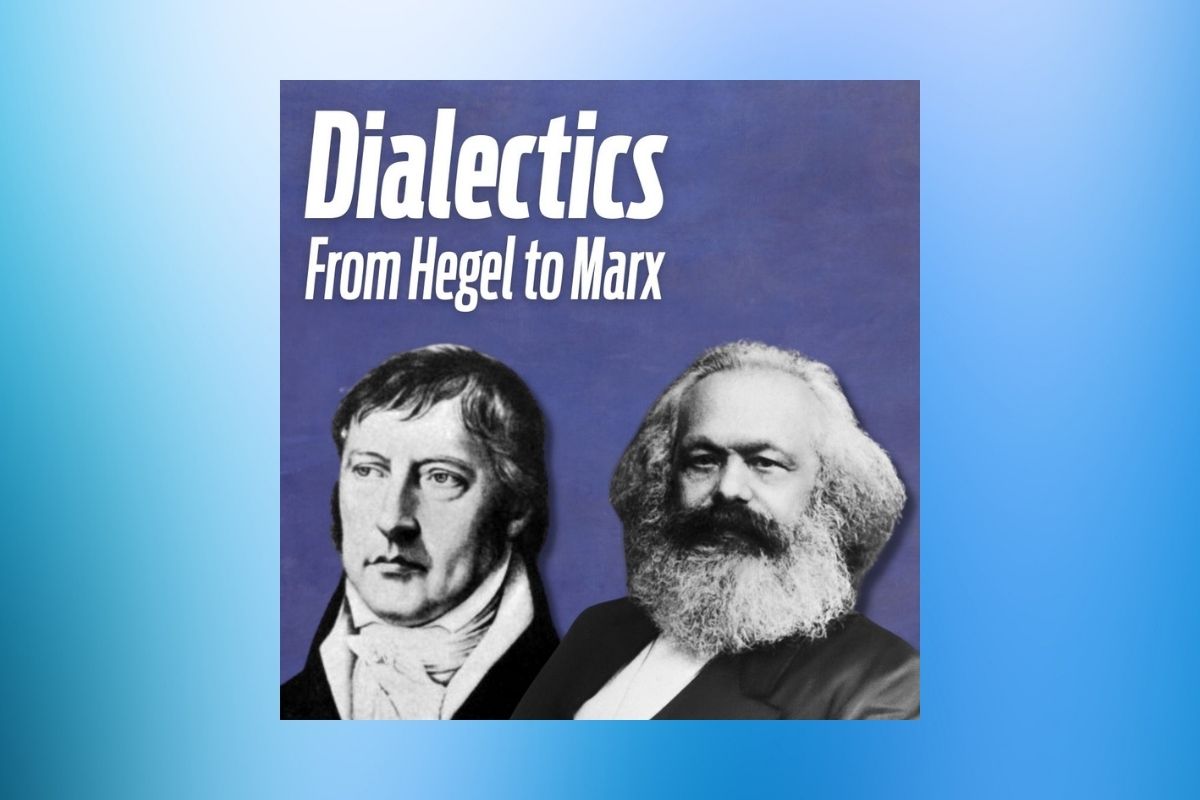
Hamid Alizadeh traces the development of the dialectical method, and how Marx placed the systematic approach of Hegel on a materialist basis in order to trace the development of human history.
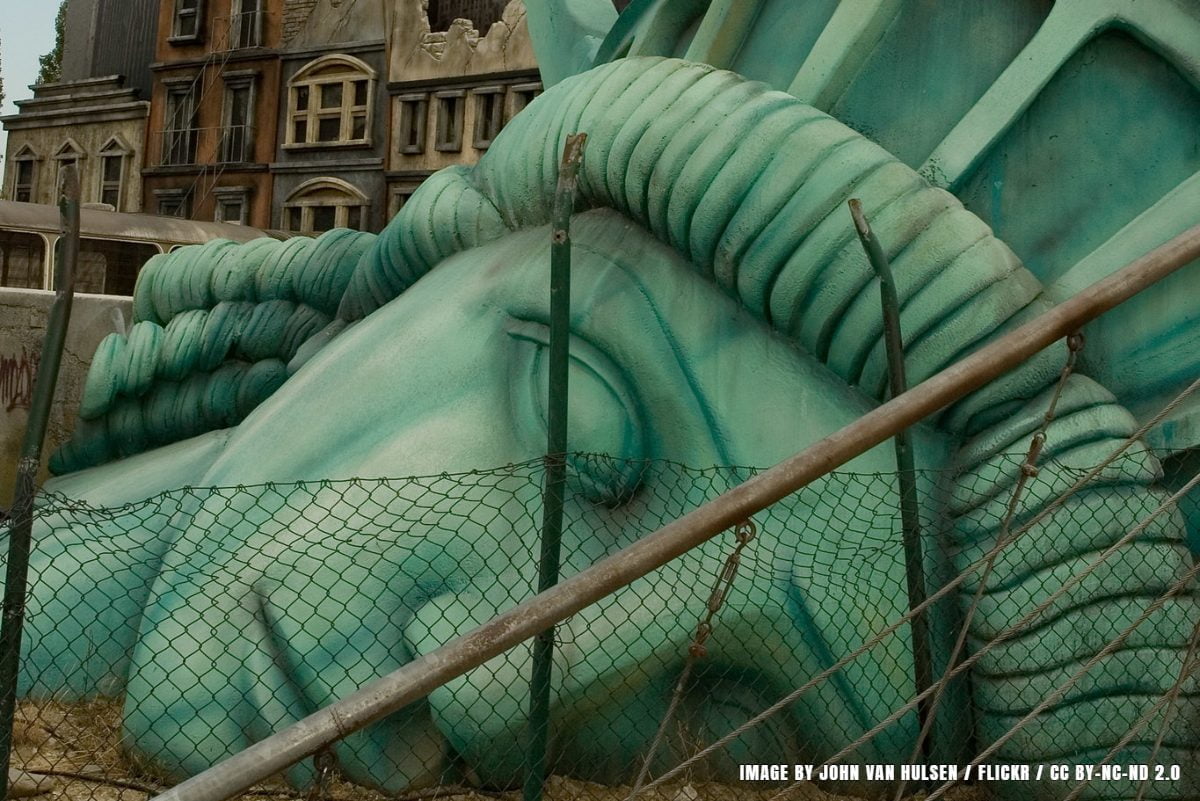
The decline of capitalism finds its reflection in the decline of philosophy. Nowhere is this clearer than with the intellectual trend that is postmodernism. Instead of this philosophical dead-end, we need the revolutionary ideas of Marxism.
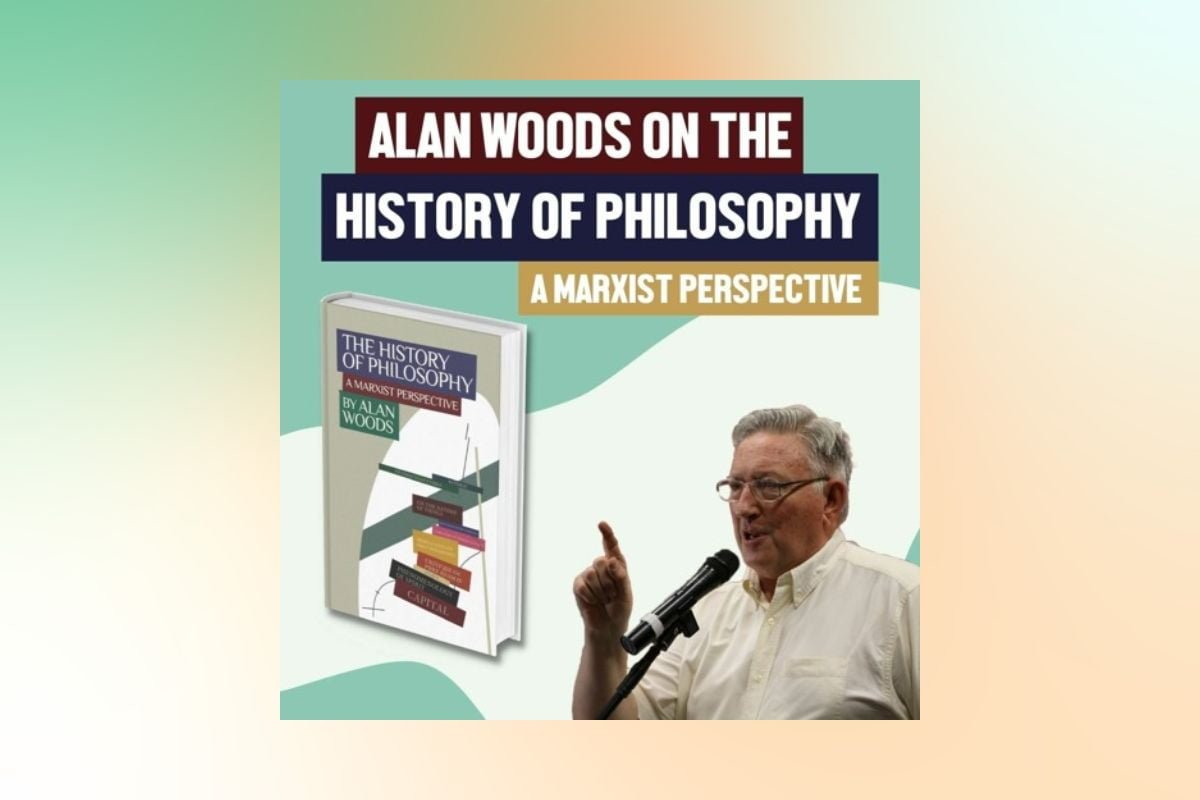
In this talk, Alan Woods outlines the history of philosophical ideas, and how they have laid the basis for philosophy of Marxism – dialectical materialism.
In this extract from Wellred’s upcoming title ‘The History of Philosophy: A Marxist Perspective’, Alan Woods explains why Marxists must study the history of philosophy, and the enormous debt that Marxism owes to earlier thinkers.
Our latest educational series ‘The ABCs of Marxist philosophy’ is available now on podcast and YouTube. This unique resource is perfect for anyone who’s looking to get stuck into Marxist theory. Start listening and watching today!
The latest title from Wellred Books, The History of Philosophy: A Marxist Perspective, is out soon. This book is vital reading for any revolutionary who wishes to arm themselves with clear philosophical ideas that can change the world.
Is there such a thing as good and evil? Who decides, and why? Why is there so much suffering and cruelty in our society, and how can we end this? Daniel Morley will discuss all of these questions in the final episode of the series.
What is causation? Is the universe determined and predictable? And where does that leave humanity, with its notions of free will and moral responsibility? And how does this affect our role as revolutionaries?
Thought is inherently about generalisation and universals. It takes us beyond the immediacy of the here and now, and links things. This contradiction – between part and whole, individual and type – is at the heart of philosophy’s deepest problems.
How does matter move itself? How and why does development take place in nature? Daniel Morley will answer all of these questions in this week’s episode of the ABCs of Marxist philosophy.
Marxist logic is dialectical, not formal. That means its starting point is change and contradiction – all truths become untruths because all that exists will perish. But how do we use logic to understand change? How do things change?